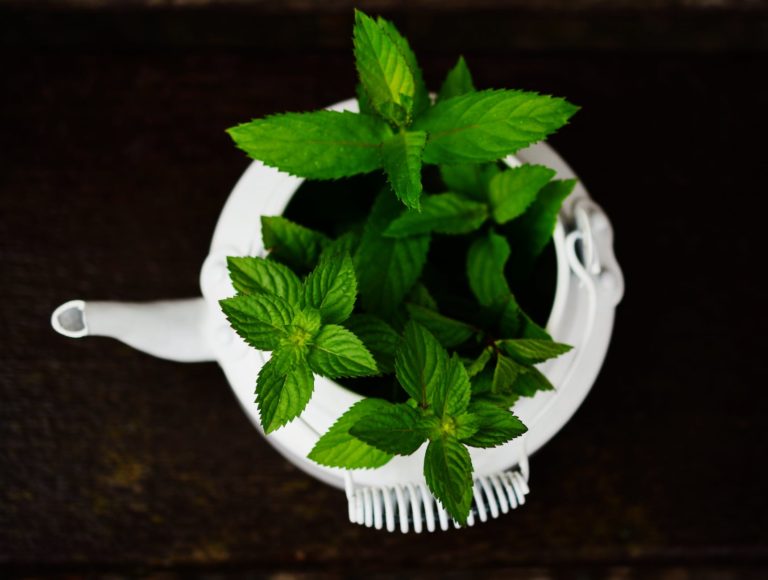
How to Cook with Fresh Herbs: Tips and Techniques
Before diving in, please note: This post is for informational purposes only. If you’d like to know more about how we approach topics, feel free to check out our friendly Disclaimer Page.
Hey there, amazing readers! 🖐️ Just a quick note: yes, we know there are a lot of ads here. Trust us, we get it—it’s not the prettiest look, but they help us keep this blog alive and kicking. Those pesky little ads cover the costs of all the behind-the-scenes magic, from hosting and tech stuff to creating content we hope you’ll love.
We’re committed to delivering quality posts, and your support (even just sticking around despite the ads) means everything to us. So, bear with us, and thanks for helping us keep the good vibes rolling. Now, on to the fun stuff! 😉
TRANSLATE BUTTON AT THE END OF THE ARTICLE
Introduction
Fresh herbs are the secret to transforming ordinary dishes into extraordinary creations. Their vibrant flavors and aromas can bring life to any meal, whether it’s a hearty soup, a refreshing salad, or a savory roast. Cooking with fresh herbs might seem intimidating at first, but with the right tips and techniques, it’s easier than you think. In this guide, we’ll explore how to use fresh herbs in your cooking, from preparation to perfect pairings.
Why Choose Fresh Herbs?
Fresh herbs are bursting with flavor, making them a fantastic addition to your cooking. Here’s why they’re worth using:
Flavor Boost: Fresh herbs provide a bright, natural flavor that dried herbs often can’t replicate.
Nutritional Value: They are rich in vitamins, antioxidants, and essential oils.
Visual Appeal: Their vibrant colors make any dish more appetizing.
Types of Fresh Herbs
Fresh herbs can be divided into two main categories:
Soft Herbs: Basil, parsley, cilantro, mint, dill, tarragon
- Delicate and leafy, these herbs are often added raw or at the end of cooking.
Hard Herbs: Rosemary, thyme, sage, oregano
- Woodier and more robust, these herbs can withstand longer cooking times.
How to Prepare Fresh Herbs
Proper preparation ensures you get the most out of your herbs:
Wash Gently: Rinse under cold water and pat dry with a clean kitchen towel or paper towel.
Remove Stems: For soft herbs like cilantro or parsley, you can use just the leaves.
For hard herbs, strip the leaves off the woody stems.
Chop or Tear: Use a sharp knife or tear the leaves by hand to avoid bruising them.
A rough chop is great for a rustic look, while finer chopping works well for garnishes.
When to Add Fresh Herbs
Timing is everything when using fresh herbs:
At the Start of Cooking: Add hard herbs like rosemary or thyme early so their flavors infuse the dish.
At the End of Cooking: Stir soft herbs like basil, parsley, or cilantro into the dish just before serving to preserve their fresh, vibrant flavor.
Raw Applications: Use fresh herbs as garnishes or in salads to enjoy their full, natural taste.
Tips for Pairing Herbs with Ingredients
Pairing herbs correctly with your dishes can make a world of difference. Here are some common pairings to get you started:
Basil: Perfect for tomato-based dishes, pasta, and pizzas.
Parsley: A versatile herb for soups, stews, and roasted vegetables.
Cilantro: Great with Mexican, Thai, and Indian cuisines.
Rosemary: Ideal for roasted meats, potatoes, and breads.
Mint: Pairs well with lamb, peas, and desserts.
Cooking Techniques with Fresh Herbs
Here’s how to incorporate fresh herbs into various cooking methods:
Infused Oils and Butters: Add herbs to olive oil or butter and heat gently to infuse flavor.
Marinades: Combine chopped herbs with oil, vinegar, and spices to create flavorful marinades for meats or vegetables.
Sauces and Dressings: Stir herbs into sauces like pesto or salad dressings for a fresh kick.
Soups and Stews: Toss in a sprig of thyme or rosemary during cooking, then remove before serving.
Herb Crusts: Mix chopped herbs with breadcrumbs and coat meats or fish for a flavorful crust.
Using Fresh Herbs as Garnishes
A sprinkle of fresh herbs can elevate the presentation and flavor of your dishes:
Parsley: Sprinkle on soups, stews, and roasted meats for a pop of color.
Chives: Add to baked potatoes, eggs, or creamy dips.
Cilantro: Garnish tacos, curries, and stir-fries.
Storing Fresh Herbs
To keep your herbs fresh for longer, follow these storage tips:
Refrigerate: Wrap herbs like parsley or cilantro in a damp paper towel and place them in a resealable bag in the refrigerator.
Store in Water: For herbs like basil or mint, trim the stems and place them in a jar of water, covering the leaves with a plastic bag.
Freeze: Chop herbs, mix them with olive oil, and freeze in ice cube trays for quick flavor boosters.
Common Mistakes to Avoid
Even experienced cooks can make a few missteps when using fresh herbs. Here’s what to watch out for:
Overcooking: Adding soft herbs too early can make them lose their flavor.
Using Too Much: A heavy hand with herbs can overpower a dish.
Start with a small amount and add more as needed.
Not Tasting: Always taste your dish after adding herbs to ensure the balance is right.
Creative Ways to Use Fresh Herbs
Looking for inspiration? Here are some unique ways to incorporate fresh herbs:
Herb Ice Cubes: Freeze chopped herbs in water or broth for use in soups and stews.
Herb Salts: Mix finely chopped herbs with coarse salt for a flavorful seasoning blend.
Herb Teas: Steep herbs like mint or lemon balm in hot water for a refreshing tea.
Conclusion
Cooking with fresh herbs is a simple way to take your meals to the next level. Whether you’re using basil in a summer salad or rosemary in a hearty roast, fresh herbs bring vibrant flavors and aromas to every dish. With these tips and techniques, you’ll be able to confidently prepare, store, and cook with fresh herbs like a pro. So head to your garden or the market, grab a bunch of your favorite herbs, and start experimenting today!