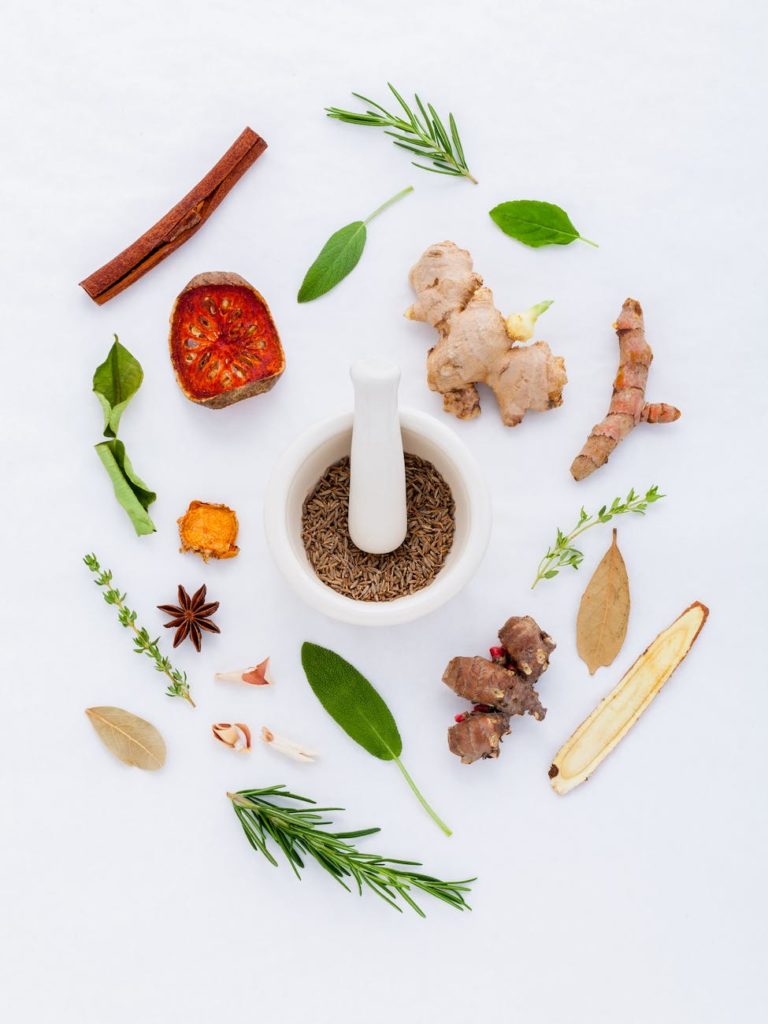
How Herbal Remedies Can Soothe Stress and Anxiety
Before diving in, please note: This post is for informational purposes only. If you’d like to know more about how we approach topics, feel free to check out our friendly Disclaimer Page.
Hey there, amazing readers! 🖐️ Just a quick note: yes, we know there are a lot of ads here. Trust us, we get it—it’s not the prettiest look, but they help us keep this blog alive and kicking. Those pesky little ads cover the costs of all the behind-the-scenes magic, from hosting and tech stuff to creating content we hope you’ll love.
We’re committed to delivering quality posts, and your support (even just sticking around despite the ads) means everything to us. So, bear with us, and thanks for helping us keep the good vibes rolling. Now, on to the fun stuff! 😉
TRANSLATE BUTTON AT THE END OF THE ARTICLE
A Quick Overview
Stress and anxiety have become common companions in our fast-paced lives.
You wake up in the morning, and before you know it, you’re bombarded by deadlines, errands, and endless to-do lists.
It’s no wonder we feel overwhelmed!
While conventional medicine offers solutions, many people are turning to nature for relief.
Herbal remedies can be a gentle yet effective way to soothe our frayed nerves.
This article delves into how these natural solutions can provide comfort and calm, helping to navigate the bumps of life more smoothly.
Understanding Stress and Anxiety: A Brief Overview
Stress is that tight knot in your stomach before a big presentation or the racing thoughts that keep you awake at night.
It’s your body’s natural response to challenges, which can be helpful in short bursts but detrimental over time.
Prolonged stress can lead to a host of health issues, including headaches, digestive problems, and weakened immune function.
Anxiety, on the other hand, often feels like that annoying little voice in your head that tells you something bad is going to happen.
It can manifest as unease, worry, or panic, affecting your daily life, relationships, and overall well-being.
Both stress and anxiety can intertwine, creating a vicious cycle that’s tough to break.
While some people opt for medications to manage these feelings, others prefer a more natural approach.
Herbal remedies have been cherished for centuries, used by various cultures to support mental health.
They can provide a gentle nudge towards relaxation and peace, making them an appealing option for many.
When exploring these remedies, it’s essential to recognize that everyone’s body reacts differently.
What calms one person might not have the same effect on another.
It often takes some trial and error to find what works best for you.
Remember that herbal remedies are not a substitute for professional help when needed.
If your stress or anxiety feels unmanageable, don’t hesitate to reach out to a healthcare professional.
The journey to finding balance is a personal one, and there’s no shame in seeking guidance.
The Healing Power of Nature: An Introduction to Herbal Remedies
Herbal remedies offer a treasure trove of options to support our mental well-being.
These plants and their extracts have been used for centuries, often passed down through generations like a family recipe.
Their natural compounds can work harmoniously with our bodies to promote calmness, reduce tension, and improve our overall mood.
One of the most delightful aspects of herbal remedies is their accessibility.
They can come in various forms: teas, tinctures, capsules, or even essential oils.
You can easily incorporate them into your daily routine.
Drinking a warm cup of herbal tea can be a comforting ritual, a moment of pause in our hectic lives.
The beauty of herbs lies in their diversity.
Some herbs are known for their relaxing properties, while others help lift your spirits.
For example, herbs like kava and valerian root have been traditionally used to promote sleep and relaxation, while St.
John’s Wort is often associated with mood enhancement.
But let’s not overlook the importance of quality.
It’s vital to source your herbs from reputable suppliers.
Look for organic options whenever possible, as they are less likely to contain harmful pesticides or additives.
The quality of the herb can significantly affect its effectiveness.
It’s also worth noting that herbal remedies are often more than just quick fixes.
They can become part of a broader lifestyle approach focused on wellness.
When combined with healthy habits, like regular exercise, a balanced diet, and mindfulness practices, herbs can significantly enhance your journey toward peace.
Top Herbal Remedies for Stress Relief and Relaxation
When it comes to herbal remedies for stress relief, a few stand out as favorites in the wellness community.
Here are some top contenders you might want to consider:
Ashwagandha: This adaptogenic herb helps the body cope with stress.
It can support mental function and promote a sense of calm.
Passionflower: Known for its calming effects, passionflower can ease anxiety and improve sleep quality.
It’s often used in teas and tinctures.
Valerian Root: This herb is famous for its sedative properties.
It’s commonly used to address insomnia and anxiety, making it a go-to for those restless nights.
Kava: Traditionally used in Pacific Island cultures, kava can help reduce stress and promote relaxation.
However, use it with caution due to potential liver effects.
Lemon Balm: A member of the mint family, lemon balm is known for its calming properties.
It can help uplift your mood and relieve anxiety.
St.
John’s Wort: Often used for mild depression, this herb can also help alleviate anxiety and improve overall mood.
Rhodiola Rosea: Another adaptogen, rhodiola can enhance the body’s resistance to stress while improving energy levels and mental clarity.
Chamomile: This classic herb is often consumed as tea.
Chamomile is widely known for its soothing properties and can help promote relaxation.
These herbs can be enjoyed individually or blended together for a personalized approach.
Experimenting with different combinations can be a fun way to discover what best suits your needs.
How Chamomile Tea Can Help Ease Your Mind
Chamomile tea has long been a comforting favorite in many households.
I fondly recall evenings spent sipping chamomile, feeling the warmth spread through my body.
But what makes this herbal tea such a beloved stress-relief option?
Chamomile is packed with antioxidants, particularly apigenin, which binds to specific receptors in your brain.
This action can lead to decreased anxiety and promote a sense of calm.
Many folks find that sipping chamomile tea before bedtime helps them drift off into a peaceful slumber.
Brewing a cup of chamomile is a delightful ritual.
Just boil water, steep the tea for about five minutes, and inhale the calming aroma.
Add a drizzle of honey for a touch of sweetness, and you’ve got yourself a soothing treat.
Plus, chamomile tea is easy to find, whether in a grocery store or your favorite café.
The accessibility makes it a fantastic choice for anyone looking to ease their mind without a hassle.
I remember a particularly stressful week when I felt overwhelmed by deadlines.
I decided to brew a cup of chamomile each evening.
The simple act of sitting down with that warm tea became my moment of peace.
It wasn’t just the tea that helped; it was the ritual of taking a break, breathing deeply, and allowing my mind to unwind.
If you haven’t tried chamomile tea yet, I highly recommend giving it a shot.
It might just become your go-to comfort drink!
Lavender: The Calming Herb for Stressful Moments
Lavender is like the iconic rock star of the herbal world.
Its soothing fragrance can instantly transport you to a serene place, even if you’re in the middle of chaos.
Known for its calming properties, lavender has been used for centuries to alleviate stress and promote relaxation.
One of the simplest ways to enjoy lavender is through aromatherapy.
You can add a few drops of lavender essential oil to your diffuser and let the calming scent waft through your space.
It’s like a gentle hug for your senses.
I often find myself reaching for lavender when I need to unwind after a long day.
Lavender tea is another delightful option.
Just like chamomile, it offers a comforting way to relax.
Steeping dried lavender buds in hot water creates a fragrant infusion that can help ease tension and anxiety.
Plus, it makes an excellent addition to your herbal tea collection.
You can also indulge in lavender-infused baths.
A few drops of lavender oil in your bathwater can create a spa-like experience.
Picture yourself soaking in warm water, surrounded by a cloud of lavender fragrance.
It’s a great way to escape the daily grind.
However, while lavender is generally safe, it’s essential to listen to your body.
Some people may experience skin irritation from essential oils, so always do a patch test first.
Lavender isn’t just a remedy; it’s a lifestyle choice.
Incorporating it into your daily routine can help create a calming atmosphere.
Whether through tea, essential oils, or even dried sachets tucked under your pillow, lavender can help ease your mind during stressful moments.
Adapting Herbal Remedies into Your Daily Routine
Integrating herbal remedies into your daily routine doesn’t have to feel overwhelming.
It’s all about finding what fits your lifestyle and preferences.
Here are some practical tips to make it easier:
Start Small: Choose one or two herbs to experiment with first.
This approach keeps things manageable and allows you to observe how your body responds.
Incorporate into Meals: Use herbs like basil and oregano in your cooking.
They not only enhance flavor but can also contribute to your well-being.
Create a Morning Ritual: Begin your day with a calming tea or a few minutes of mindfulness.
Taking time for yourself sets a positive tone for the day ahead.
Take Breaks: If you’re feeling stressed during the day, take short breaks to enjoy a cup of herbal tea or do a few deep-breathing exercises.
Use Aromatherapy: Keep a lavender or chamomile essential oil on hand.
A quick inhalation can provide immediate relief during stressful moments.
Journal: Reflecting on your thoughts and feelings can help identify stressors.
You can also jot down how different herbs affect your mood, creating a personalized wellness log.
Stay Hydrated: Don’t forget to drink plenty of water throughout the day.
Staying hydrated can also support your overall well-being.
Listen to Your Body: Pay attention to how you feel after using different herbs.
Adjust your routine based on what resonates with you.
Experimenting with these changes can be a fun journey.
The idea is to create a routine that nurtures your mental and emotional health while bringing joy to your day.
Tips for Safe Use of Herbal Remedies for Anxiety
While herbal remedies can bring comfort, it’s essential to use them wisely.
Here are some tips to keep in mind:
Consult with a Professional: If you have underlying health conditions or are pregnant, it’s always a good idea to consult a healthcare provider before starting any herbal remedy.
Know the Dosages: Each herb may have a recommended dosage.
Research or ask a professional to ensure you’re using them safely.
Monitor for Side Effects: While most herbal remedies are safe, some people may experience side effects.
Pay attention to how your body reacts and discontinue use if you notice anything unusual.
Quality Matters: Choose high-quality products from reputable brands.
Herbal supplements can vary widely in potency and effectiveness.
Keep a Journal: Track your experiences with different herbs.
Noting down what you took, how you felt, and any side effects can help you find the right balance.
Avoid Mixing too Many Herbs: It’s easy to get excited about different remedies, but combining too many can complicate things.
Stick to one or two at a time initially.
Be Patient: Herbal remedies can take time to show effects.
Give yourself a few weeks to see how they fit into your routine.
Educate Yourself: Read up on the herbs you’re using.
Understanding their effects and potential interactions with other medications can empower you on your wellness journey.
By taking these precautions, you can enjoy the benefits of herbal remedies while minimizing risks.
Your well-being is worth the effort!
Embracing a Holistic Approach to Stress Management
Herbal remedies can play a significant role in managing stress and anxiety, but they are just one piece of the puzzle.
Embracing a holistic approach means looking at your overall lifestyle and making choices that nurture your mental and physical well-being.
Consider incorporating practices like meditation, yoga, or deep breathing exercises into your routine.
These techniques promote relaxation and mindfulness, helping to ground you when life feels chaotic.
I’ve found that even just a few minutes of focused breathing can make a world of difference.
Physical activity is another essential component.
Even a short walk outside can release endorphins, the body’s natural mood lifters.
Whether you prefer yoga, jogging, or dancing in your living room, find what brings you joy.
Nutrition also plays a crucial role in managing stress.
A balanced diet with plenty of fruits, vegetables, whole grains, and lean proteins can positively impact your mood.
Don’t underestimate the power of a nourishing meal shared with friends or family!
Lastly, don’t shy away from seeking support.
Talk to friends or professionals about your feelings.
Sometimes, just sharing your worries can lighten the load.
Building a supportive network helps create a sense of belonging and connection.
By embracing a holistic approach, you create a supportive environment for your mental health.
It’s about finding balance and nurturing yourself inside and out.
Conclusion
Herbal remedies offer a gentle and nurturing way to address stress and anxiety in our lives.
From the calming effects of chamomile tea to the soothing aroma of lavender, these natural solutions can help pave the way toward relaxation.
However, remember that everyone’s journey is unique, and what works for one person may not work for another.
Experiment, listen to your body, and enjoy the process of discovering what brings you peace.
Incorporating these remedies into a holistic lifestyle—complete with mindfulness, physical activity, and nutritious food—can significantly enhance your overall well-being.
So, let’s embrace the healing power of nature and take those steps toward a more serene life.
Cheers to a calmer, happier you!