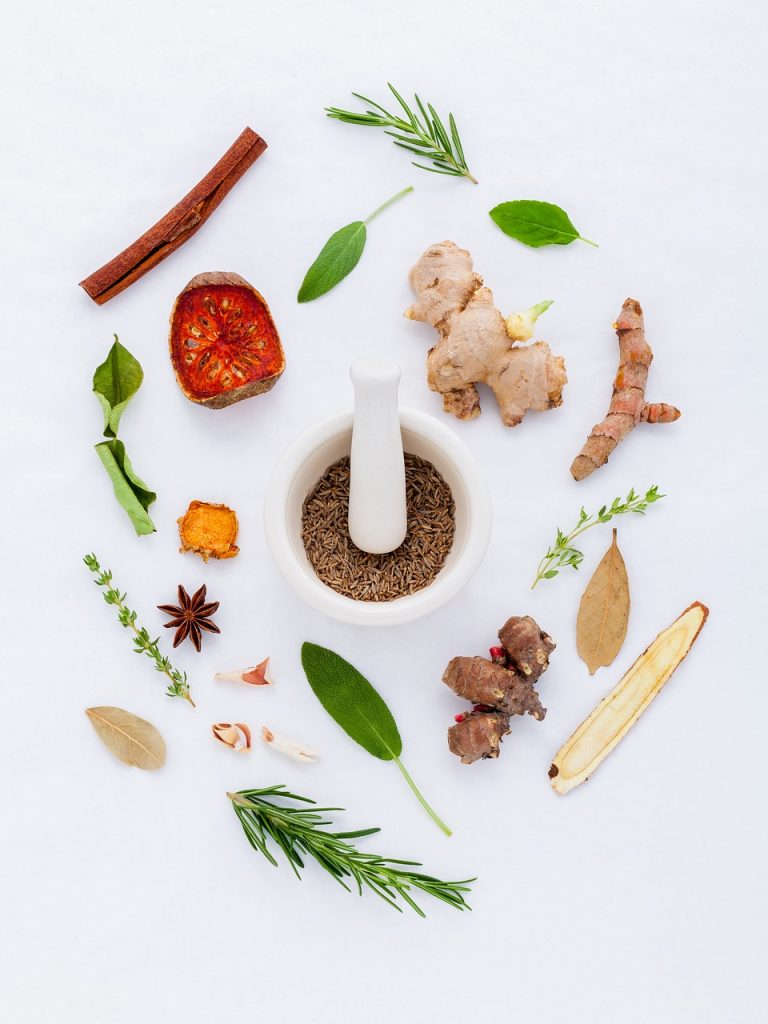
What Are the Best Herbs for Stress Relief?
Before diving in, please note: This post is for informational purposes only. If you’d like to know more about how we approach topics, feel free to check out our friendly Disclaimer Page.
Hey there, amazing readers! 🖐️ Just a quick note: yes, we know there are a lot of ads here. Trust us, we get it—it’s not the prettiest look, but they help us keep this blog alive and kicking. Those pesky little ads cover the costs of all the behind-the-scenes magic, from hosting and tech stuff to creating content we hope you’ll love.
We’re committed to delivering quality posts, and your support (even just sticking around despite the ads) means everything to us. So, bear with us, and thanks for helping us keep the good vibes rolling. Now, on to the fun stuff! 😉
TRANSLATE BUTTON AT THE END OF THE ARTICLE
A Quick Overview
Life can sometimes feel like a non-stop roller coaster, can’t it?
Stress seems to creep in at every corner, whether it’s from work, family obligations, or just the daily grind.
As someone who has navigated the ups and downs of life, I’ve sought various ways to manage stress.
One of the most effective methods I’ve discovered is turning to nature for help.
Herbs have been used for centuries in various cultures to promote relaxation and calmness.
In this article, we will explore some of the best herbs for stress relief, the science behind them, and how you can easily incorporate them into your daily routine.
Discovering Nature’s Best Herbs for Stress Relief
Herbs have a special way of connecting us back to nature, don’t they?
They offer a gentle approach to stress management that feels almost like a warm hug.
Imagine sitting in a garden, the sun shining down, surrounded by the soothing scents of lavender and chamomile.
This connection to nature isn’t just poetic – it’s rooted in centuries of use around the globe.
So, what makes certain herbs so effective for stress relief?
The answer lies in their bioactive compounds.
These compounds interact with our body’s systems to promote relaxation, reduce anxiety, and even help with sleep.
From ancient Ayurvedic practices in India to the traditional herbal medicine of China, various cultures have harnessed the power of herbs.
It’s fascinating to see how these practices have evolved, yet the core idea remains: herbs can have a calming effect on the mind and body.
With so many herbs to choose from, it might feel overwhelming.
But don’t worry!
The most commonly used herbs for stress relief are easily accessible and can easily be incorporated into your life.
Are you ready to explore the best herbs for stress relief together?
Let’s dive in!
The Science Behind Herbs and Stress Reduction
The connection between herbs and stress relief isn’t just anecdotal; it’s backed by science.
Research shows that certain herbs can influence our brain chemistry.
They can help regulate neurotransmitters like serotonin and dopamine, which play crucial roles in mood regulation.
For instance, adaptogenic herbs like ashwagandha and rhodiola have been shown to help the body adapt to stress by normalizing physiological functions.
They help keep our stress hormone, cortisol, in check.
Several studies indicate that herbal remedies can also impact our body’s autonomic nervous system, promoting a state of calm.
This is the system responsible for the fight-or-flight response.
When we consume calming herbs, we can shift from a stressed state to relaxation.
Let’s not forget about the placebo effect.
Sometimes, knowing that we’re doing something beneficial for our bodies can be a powerful stress reliever in itself.
The act of brewing a cup of herbal tea or diffusing essential oils can create a ritual that brings comfort and peace.
By combining traditional knowledge with modern research, we can appreciate the profound effects that herbs have on our mental and emotional well-being.
Top 5 Herbs Known for Their Calming Effects
Here’s the fun part!
Let’s explore five incredible herbs that can help alleviate stress and promote relaxation.
Chamomile: This gentle herb is famous for its calming properties.
A cup of chamomile tea before bed can soothe anxiety and promote better sleep.
Lavender: Known for its fragrant aroma, lavender can reduce stress levels and anxiety.
Whether used in tea, essential oils, or sachets, its calming scent promotes a sense of peace.
Ashwagandha: This adaptogen has been used for centuries in Ayurvedic medicine.
It helps the body manage stress and can even improve sleep quality.
Valerian Root: Often used as a natural remedy for insomnia, valerian root can help relax the mind and body.
It’s great for those nights when stress keeps you tossing and turning.
Lemon Balm: Part of the mint family, lemon balm has a mild sedative effect.
It can reduce stress and improve mood, making it a lovely addition to teas or infusions.
These herbs are just the tip of the iceberg.
Each one has its unique benefits, and they can be combined for even greater effects.
How to Incorporate Herbs into Your Daily Routine
Incorporating stress-relief herbs into your daily life doesn’t have to feel like a chore.
Here are some simple and enjoyable ways to do it:
Herbal Teas: Start your day with a calming cup of tea.
Mix various herbs like chamomile, lavender, and lemon balm for a delightful blend.
Cooking: Use fresh herbs in your meals.
Basil, sage, and thyme aren’t just tasty; they also have stress-relieving properties!
Tinctures and Extracts: If you prefer a more concentrated form, consider tinctures.
They’re easy to add to water or smoothies.
Essential Oils: Diffuse calming essential oils like lavender or chamomile in your home.
It creates a serene atmosphere.
Bath Time: Add herbs to your bath.
Dried lavender or chamomile can turn an ordinary soak into a soothing experience.
Mindful Moments: Take a few minutes during your day to sit quietly with a cup of herbal tea.
Use this time to reflect or practice mindfulness.
Journaling: Pair your tea time with journaling.
Write down your thoughts and feelings as you sip on calming herbs.
Herbal Supplements: If you’re on the go, herbal capsules can be a convenient option.
Just make sure to consult a healthcare professional before starting any new supplement.
Finding what works for you can be a fun and exploratory journey.
Sometimes, it’s about trial and error, so don’t hesitate to experiment!
Brewing Relaxation: Herbal Teas for Stress Relief
I love the ritual of brewing tea.
It’s more than just making a drink; it’s about creating a moment of peace.
Here are some tips for brewing the perfect herbal tea for stress relief:
Choose Your Herbs: Select herbs based on your mood.
Chamomile and lavender for a relaxing evening, or lemon balm for a midday boost.
Boil Fresh Water: Use filtered water and bring it to a gentle boil.
If you’re using delicate herbs, let the water cool slightly before pouring.
Steeping Time: Let your herbs steep for about 5-10 minutes.
The longer you steep, the richer the flavor and benefits.
Add Sweeteners: If you prefer, add honey or a slice of lemon for a touch of sweetness.
Just don’t overpower the natural flavors of the herbs!
Relax and Sip: Find a cozy spot, take a moment to inhale the aroma, and enjoy your cup.
This is your time to unwind.
Try Blends: Mix different herbs together for unique flavors.
A chamomile-lavender blend is a personal favorite of mine.
Experiment with Iced Teas: In warmer months, brew your herbal tea and chill it for a refreshing iced drink.
Share with Friends: Invite a friend over for a tea-tasting session.
It’s a great way to connect and unwind together.
Brewing herbal tea can be a delightful experience.
The warmth of the cup in your hands, the fragrant steam rising.
It’s a simple act, but it has the power to melt away the day’s stress.
Aromatherapy: The Magic of Herbal Essential Oils
Aromatherapy is one of my favorite ways to tackle stress.
Essential oils derived from herbs do wonders for the mind and body.
Here’s how to embrace the magic of herbal essential oils:
Diffusing: Invest in a diffuser to disperse calming scents throughout your home.
Lavender and chamomile oils are perfect for relaxation.
Inhalation: Simply inhale the scents directly from the bottle.
It’s a quick way to invigorate your senses and lift your mood.
Massage Oils: Combine essential oils with a carrier oil for a soothing massage.
Lavender oil is particularly relaxing.
Bath Soaks: Add a few drops of essential oil to your bath.
It transforms an ordinary bath into a spa-like experience.
Sleep Aid: Place a few drops of lavender oil on your pillowcase or bedsheets for a calming bedtime routine.
Car Freshener: Add a few drops of essential oil to a cotton ball and keep it in your car for on-the-go stress relief.
DIY Sprays: Create a calming room spray by mixing essential oils with water in a spray bottle.
Use it whenever you need a little extra zen.
Mindfulness Practice: Incorporate essential oils into your meditation or mindfulness practice.
The scents can help ground you and enhance your experience.
Aromatherapy is a delightful way to bring the calming properties of herbs into your daily life.
It’s a quick fix for stress relief, whether you’re at home or on the go.
Precautions: Safe Usage of Stress-Relief Herbs
While herbs can be incredibly beneficial, it’s important to approach them with care.
Here are some tips for safe usage:
Consult Your Doctor: Always talk to your healthcare provider before starting any new herbal supplement, especially if you’re on medication or have health concerns.
Quality Matters: Choose high-quality herbs from reputable sources.
Poor quality products may not provide the intended benefits.
Dosage Guidelines: Adhere to recommended dosage guidelines.
More isn’t always better!
Allergy Awareness: Be aware of any allergies you may have.
Some herbs can cause reactions, so it’s wise to do a patch test with essential oils.
Pregnancy and Nursing: Pregnant or nursing women should exercise caution with certain herbs.
Again, consulting a healthcare professional is key.
Herb Interactions: Some herbs can interact with medications.
It’s essential to stay informed about potential interactions.
Monitor Reactions: Pay attention to how your body responds.
If you experience any negative effects, discontinue use and consult a professional.
Start Slow: If you’re new to herbal remedies, start with small doses to gauge your body’s reaction.
Taking precautions allows you to enjoy the benefits of herbs without unnecessary risks.
Conclusion: Embrace Herbs for a Calmer Life
Stress may be an inevitable part of life, but that doesn’t mean we can’t find ways to manage it.
By embracing the calming powers of herbs, we can create moments of relaxation amidst the chaos.
Whether it’s sipping a warm cup of chamomile tea, diffusing lavender oil, or incorporating adaptogenic herbs into our routine, there are countless ways to find peace.
These natural remedies can help us feel more balanced and centered.
So, why not give herbs a chance?
They might just become your go-to allies in the quest for a calmer, more peaceful life.
Let’s celebrate the simplicity and effectiveness of nature’s gifts, and step onto the path towards relaxation together!