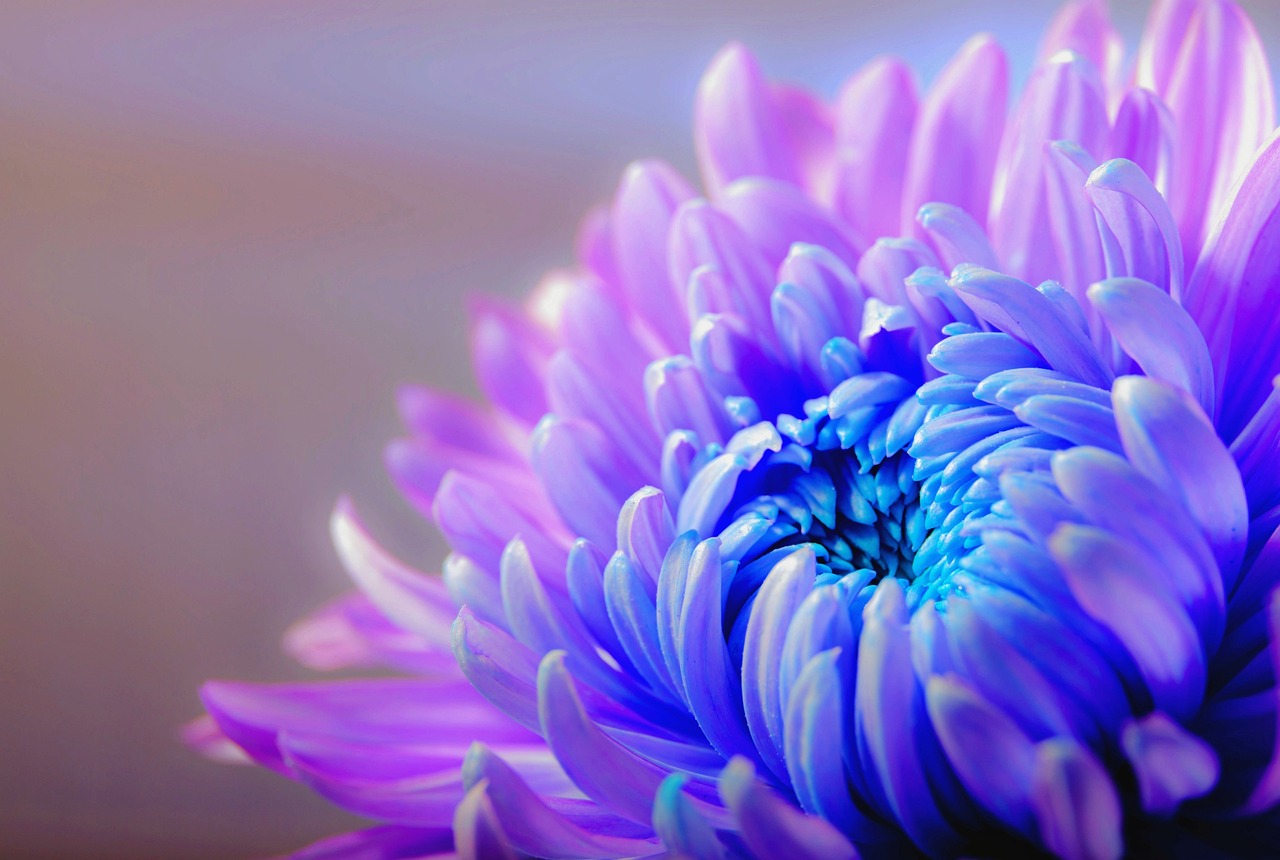
Colorful Chrysanthemum Spiritual Meaning
Before diving in, please note: This post is for informational purposes only. If you’d like to know more about how we approach topics, feel free to check out our friendly Disclaimer Page.
Hey there, amazing readers! 🖐️ Just a quick note: yes, we know there are a lot of ads here. Trust us, we get it—it’s not the prettiest look, but they help us keep this blog alive and kicking. Those pesky little ads cover the costs of all the behind-the-scenes magic, from hosting and tech stuff to creating content we hope you’ll love.
We’re committed to delivering quality posts, and your support (even just sticking around despite the ads) means everything to us. So, bear with us, and thanks for helping us keep the good vibes rolling. Now, on to the fun stuff! 😉
TRANSLATE BUTTON AT THE END OF THE ARTICLE
Chrysanthemums offer an explosion of vibrant colors and long-lasting blooms, making them a beloved flower worldwide. Their rich history and symbolism have permeated various cultures and belief systems, imbuing them with spiritual significance. In this comprehensive guide, we delve into the multifaceted spiritual meanings of chrysanthemums, exploring their connection to various cultures, traditions, and beliefs.
Chrysanthemum Origins and Cultural Significance
Chrysanthemums, also known as mums, are native to East Asia and have been cultivated for over 2,000 years. In Chinese culture, they symbolize longevity, prosperity, and cheerfulness. The chrysanthemum’s resilience and ability to bloom in autumn, a season often associated with decay and decline, further reinforce its symbolism of enduring life and optimism.
In Japan, chrysanthemums are deeply entwined with the Emperor’s crest, representing royalty, authority, and power. The Chrysanthemum Throne, on which the Emperor sits during enthronement ceremonies, signifies his supreme position and the continuity of the imperial lineage.
Chrysanthemum Symbolism in Different Cultures
The spiritual meaning of chrysanthemums varies across different cultures, reflecting the unique values and traditions of each society:
China: Longevity, prosperity, cheerfulness, and optimism
Japan: Royalty, authority, power, and the continuity of the imperial lineage
Korea: Loyalty, virtue, and resilience
Vietnam: Gratitude, remembrance, and honoring the ancestors
Europe: Funeral flowers, mourning, and remembrance
United States: Thanksgiving, fall festivities, and cheerfulness
Chrysanthemum Colors and Their Spiritual Meanings
The diverse colors of chrysanthemums each carry their own spiritual significance:
Red chrysanthemums: Love, passion, and deep emotion
Yellow chrysanthemums: Lost love, sorrow, and regret
White chrysanthemums: Loyalty, honesty, and purity
Orange chrysanthemums: Enthusiasm, creativity, and abundance
Purple chrysanthemums: Royalty, luxury, and mystery
Pink chrysanthemums: Gratitude, appreciation, and affection
Chrysanthemum in Various Traditions and Beliefs
Chrysanthemums play a significant role in various traditions and belief systems:
Buddhism: Chrysanthemums are associated with purity, enlightenment, and the path to nirvana.
Confucianism: Chrysanthemums represent the virtues of loyalty, integrity, and selflessness.
Taoism: Chrysanthemums symbolize the balance of yin and yang, the opposing forces that govern the universe.
Shintoism: Chrysanthemums are considered sacred flowers, often used in offerings to deities and spirits.
Chrysanthemum in Art and Literature
Chrysanthemums have been a popular subject in art and literature for centuries, often symbolizing beauty, resilience, and the passage of time.
Chinese poetry: Chrysanthemums are frequently featured in Chinese poems, often representing autumn, solitude, and the fleeting nature of life.
Japanese painting: Chrysanthemums are a common motif in Japanese art, often depicted with delicate brushstrokes and subtle colors.
European art: Chrysanthemums appeared in European art during the Renaissance, often symbolizing royalty, luxury, and abundance.
Spiritual Practices and Rituals Involving Chrysanthemums
Chrysanthemums are incorporated into various spiritual practices and rituals worldwide:
Chinese New Year: Chrysanthemums are used in decorations and celebrations to bring good luck and prosperity in the new year.
Korean Chuseok harvest festival: Chrysanthemums are displayed in homes and during festivities to honor ancestors and express gratitude for the harvest.
Japanese Festival of the Dead: Chrysanthemums are placed on graves and altars to honor deceased loved ones.
European funeral ceremonies: Chrysanthemums are often used in funeral arrangements and wreaths to express sympathy and remembrance.
Conclusion
Chrysanthemums, with their vibrant colors, long-lasting blooms, and rich symbolism, have transcended their floral beauty to become a source of spiritual inspiration and cultural significance across the globe. Their connection to longevity, resilience, and the cyclical nature of life has resonated with diverse cultures and belief systems, making them a powerful symbol of hope, optimism, and the enduring spirit of humanity.