
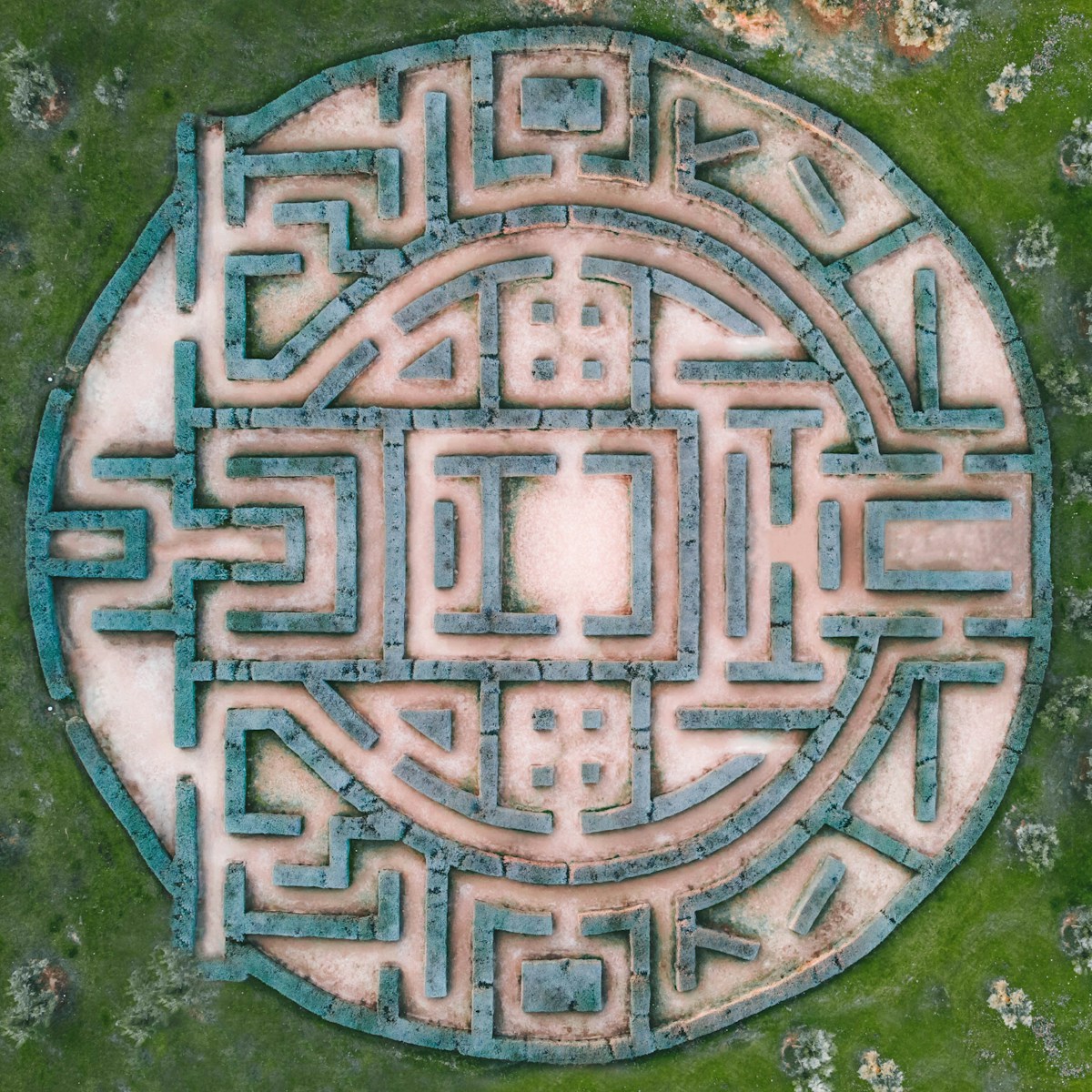
The Mystical Power of Labyrinth Walking Rituals
Before diving in, please note: This post is for informational purposes only. If you’d like to know more about how we approach topics, feel free to check out our friendly Disclaimer Page.
Hey there, amazing readers! 🖐️ Just a quick note: yes, we know there are a lot of ads here. Trust us, we get it—it’s not the prettiest look, but they help us keep this blog alive and kicking. Those pesky little ads cover the costs of all the behind-the-scenes magic, from hosting and tech stuff to creating content we hope you’ll love.
We’re committed to delivering quality posts, and your support (even just sticking around despite the ads) means everything to us. So, bear with us, and thanks for helping us keep the good vibes rolling. Now, on to the fun stuff! 😉
TRANSLATE BUTTON AT THE END OF THE ARTICLE
Introduction
Have you ever noticed how simply walking in circles can quiet the noise in your head? Now, imagine that walk shaped into a sacred path, designed not to confuse you, but to guide you inward. That is the essence of labyrinth walking. Unlike a maze, which is meant to trick you, a labyrinth has one continuous path that always leads to the center. It is part meditation, part ritual, and part mystery.
In this article, we will explore how labyrinth walking can support healing, spark spiritual insights, and become a grounding practice you can return to anytime.
Quick Takeaway (TL;DR)
Labyrinths are ancient walking paths used for meditation and ritual.
The single path symbolizes the soul’s journey toward the center (self or spirit).
Walking rituals reduce stress, deepen focus, and create spiritual connection.
Anyone can practice this with indoor or outdoor labyrinths—or even a finger labyrinth at home.
What Is a Labyrinth Walking Ritual?
A labyrinth walking ritual is a meditative practice where you slowly follow a winding path to the center and back out again. Unlike a maze, there are no dead ends—only one path that symbolizes life’s journey.
It is used across cultures and religions, from medieval cathedrals in Europe to Native American sand patterns, as a way to step out of ordinary thought and into sacred space.
Why Walk a Labyrinth Instead of Meditating in Place?
Meditation often asks us to sit still, but not everyone finds calm in stillness. Labyrinth walking gives your body something simple to do while your mind relaxes.
The rhythm of walking soothes the nervous system.
The path itself acts as a physical “guide” for focus.
Repetition brings clarity and emotional release.
Think of it as meditation in motion—perfect for anyone who struggles with seated silence.
How Can Beginners Start?
You do not need access to a stone labyrinth in a cathedral to start. Here are simple ways:
Visit a local labyrinth: Many parks, gardens, and churches have them.
Print a finger labyrinth: Trace the path slowly with your finger.
DIY backyard labyrinth: Use stones, chalk, or rope to lay out a path.
Table: Types of Labyrinths
| Type | Description | Where Found |
|---|---|---|
| Classical (7-circuit) | Oldest design with seven winding paths | Ancient Greece, Crete |
| Chartres (11-circuit) | Detailed pattern found in Chartres Cathedral | France, medieval churches |
| Finger labyrinth | Portable version for hand-tracing | Home, therapy practices |
| Temporary labyrinth | Created with chalk, stones, or candles | Retreats, personal rituals |
What Happens During the Walk?
Many practitioners describe three phases:
Releasing: Walking inward, you let go of tension or distractions.
Receiving: At the center, you pause to reflect, pray, or simply rest.
Returning: Walking out symbolizes carrying new insight back into daily life.
Real-World Example: Labyrinth Therapy
Some hospitals and wellness centers now use labyrinth walking as a therapeutic tool. Patients walking these paths often report reduced anxiety, lower blood pressure, and a sense of peace before medical treatments.
How-To: Create Your Own Labyrinth Walking Ritual
Step 1: Set an intention before you enter the path (healing, clarity, or gratitude).
Step 2: Walk slowly, breathing deeply with each step.
Step 3: Pause at the center—reflect, meditate, or simply be still.
Step 4: Walk out mindfully, carrying your insights back with you.
FAQs
Is a labyrinth the same as a maze?
No. A maze has dead ends and tricks. A labyrinth has one continuous path.
Do I need a spiritual belief to walk a labyrinth?
Not at all. Many use it simply for stress relief and mindfulness.
How long does a walk take?
Anywhere from 10 minutes to an hour, depending on the size of the labyrinth.
Can children walk labyrinths?
Yes! Many kids enjoy the rhythm and focus it brings.
Conclusion
A labyrinth is more than a path—it is a journey inward. Every step you take on its winding lines can be a step closer to calm, clarity, or connection. Whether you walk a grand stone labyrinth, trace a finger labyrinth at home, or chalk one in your backyard, the ritual offers a timeless way to reconnect with yourself.
Next time you feel overwhelmed, step into the spiral. You may just find the answers waiting at the center.
