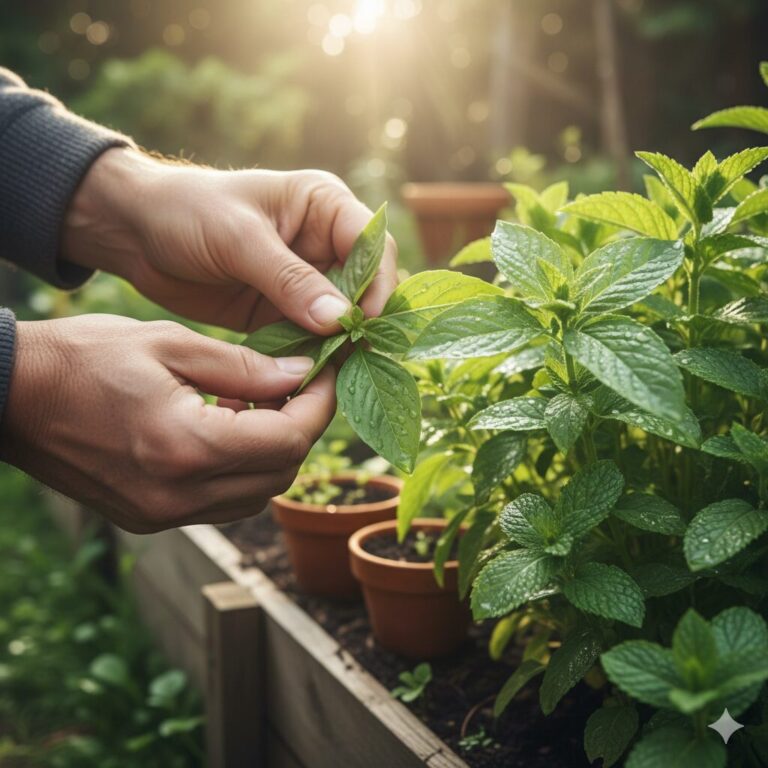
How to Start Growing Herbs Indoors Step by Step
Before diving in, please note: This post is for informational purposes only. If you’d like to know more about how we approach topics, feel free to check out our friendly Disclaimer Page.
Hey there, amazing readers! 🖐️ Just a quick note: yes, we know there are a lot of ads here. Trust us, we get it—it’s not the prettiest look, but they help us keep this blog alive and kicking. Those pesky little ads cover the costs of all the behind-the-scenes magic, from hosting and tech stuff to creating content we hope you’ll love.
We’re committed to delivering quality posts, and your support (even just sticking around despite the ads) means everything to us. So, bear with us, and thanks for helping us keep the good vibes rolling. Now, on to the fun stuff! 😉
TRANSLATE BUTTON AT THE END OF THE ARTICLE
Introduction
Imagine soft morning light spilling over a sunny windowsill, tiny pots of basil, thyme, and chives stretching toward the glow, and your kitchen filling with a sunshine-scented, fresh-green aroma.
Growing herbs indoors is not only possible, it’s wonderfully doable for almost any space—an apartment, a dorm room, or a cozy corner in a shared house.
I’m sharing a friendly, practical step-by-step plan to help you start today, with plant choices, simple gear, and punchy tips that make the process feel warm, doable, and even a little cozy.
Herbs thriving indoors bring color, scent, and flavor to your daily cooking, plus a sprinkle of nature’s calm in a busy week.
You’ll save trips to the store, waste less, and enjoy everyday wins as your herbs grow sturdier and more lush with every passing week.
Ready to turn a windowsill into a fragrant, productive little garden?
Let’s do this together.
Takeaway: A small, sunlit corner can become a thriving herb haven with a few thoughtful steps.
Why Grow Herbs Indoors
Growing herbs indoors is a clever way to have fresh flavors close at hand.
You’ll notice your meals taste brighter, your kitchen feels more alive, and you gain a tiny, low-stress project that rewards patience with aroma and growth.
Herbs are forgiving for beginners: many varieties forgive a missed watering, bounce back after a trim, and adapt to indoor light with a little TLC.
Plus, the scent of mint in the air or rosemary leaves on your fingertips is a mood lift that’s hard to beat.
Takeaway: Indoor herbs are a practical, joyful way to add flavor, color, and calm to your everyday life.
Pick Your Herbs
Choosing the right herbs makes the whole setup feel unique and approachable.
Here are beginner-friendly options that tend to do well indoors, even with a modest amount of light:
Basil: Bright green, aromatic, and perfect for salads, pastas, and pesto.
Parsley: A versatile, forgiving herb that fills out quickly.
Cilantro: Great for salsas and Mexican dishes, though it can be a touch fussy—keep it in bright light.
Mint: Hardy, refreshing, and spreads gladly (keep it in a separate pot to control its growth).
Thyme: Small leaves, wonderful scent, and very forgiving of indoor conditions.
Chives: Mild onion flavor, easy to prune, and happiest with regular harvests.
Oregano: Strong flavor, compact plant, and thrives with sunshine and warmth.
If you’re unsure where to begin, start with 2–3 herbs that you actually cook with regularly.
You’ll see quick wins and stay motivated.
You can always add more later as you gain confidence.
Takeaway: Start with 2–3 culinary staples that you’ll actually use; they’re the most forgiving and rewarding to grow indoors.
Gear and Space: The Cozy Corner
You don’t need a fancy setup to succeed.
A few practical tweaks create an ideal micro-environment for your herbs:
Containers with drainage: Plastic, ceramic, or terracotta pots with drainage holes keep roots happy and prevent soggy feet.
Potting mix, not garden soil: A light, well-draining potting mix makes a world of difference for indoor roots.
A sunny spot: A south-facing or bright east/west-facing window offers the best natural light.
If your light is limited, plan to supplement with a simple grow light.
Optional grow light: A compact LED grow light that runs 12–14 hours a day can extend your herbs’ growing window and help in darker months.
Watering tools: A small watering can or bottle with a narrow spout reduces spills and makes watering calmer.
Labels and a mini calendar: Label your pots and keep a tiny routine; it helps you stay consistent.
A quick setup tip: use a tray under each pot to catch drips, and choose pots that fit on a tray or shelf to keep your space neat and cozy.
You’ll feel the vibe instantly—greenery meets soft light meets your own kitchen vibe.
Takeaway: A simple, well-drained home setup makes indoor herbs feel effortless and inviting.
Step-by-Step: From Seeds to Harvest
Here’s a practical path you can follow, with small, doable actions you can tackle this weekend.
Step 1: Find your sunny sanctuary.
Look for a spot that gets at least 4–6 hours of bright light per day.
If you don’t have that much natural light, plan to supplement with a grow light.
A bright windowsill or a corner near a sunny window works beautifully.
If you’re using a grow light, place it about 6–12 inches above the plants and run it on a schedule that mimics natural daylight (roughly 12–14 hours on, 10–12 off).
Step 2: Pick containers and fill with fresh potting mix.
Ensure drainage holes are clear.
Use a light, fluffy mix designed for container herbs.
Moisture should move through easily, but the soil shouldn’t stay soggy.
Step 3: Decide seed vs. starter plants.
If you’re new, start with established seedlings from a good nursery—less anxiety, faster gratification.
Seeds are rewarding, too, but they require patience and a bit more attention to germination.
Step 4: Plant with care.
If using seedlings, tease them gently from their container, loosen roots a bit, and plant at the same depth they were in their pots.
For seeds, sow according to package instructions and cover lightly.
Water gently after planting to settle the soil.
Step 5: Light and warmth setup.
If your space is bright, you may not need artificial light initially.
If not, turn on a grow light and establish a routine that matches the plant’s needs.
A consistent light schedule keeps growth even and lush.
Step 6: Water wisely.
Check moisture by feeling the top inch of soil.
If it’s dry to the touch, it’s time to water.
Water until you see some at the bottom drainage, then let it drain away.
Don’t let pots sit in a saucer of water.
Step 7: Feed lightly.
Use a balanced, water-soluble fertilizer at a quarter strength every 4–6 weeks, or follow the label for herbs.
Too much fertilizer can lead to lush leaves but weaker flavor.
Step 8: Prune and harvest.
Pinch back leggy stems and harvest leaves regularly.
For most herbs, prune above a leaf node so the plant can branch and stay fuller longer.
Step 9: Watch for signs and adjust.
If leaves yellow or brown, check light, water, and drainage.
If growth slows, it may need more light or a little fertilizer.
Takeaway: A simple, repeatable routine turns a few pots into a thriving, harvest-ready herb corner.
Lighting, Temperature, and Care Essentials
Herbs love bright light and steady conditions.
Here are practical guidelines:
Light: 6–8 hours of bright light plus some daily direct sun is ideal for most herbs.
If natural light is limited, supplement with a grow light to reach 12–14 hours total daily exposure during the core growing months.
Temperature: Aim for daytime around 65–75°F (18–24°C) and night temps around 60–65°F (15–18°C).
Keep away from cold drafts and heating vents.
Humidity: Moderate humidity is plenty.
If your home is very dry (think winter heating), a gentle mist or a small humidity tray can help your herbs feel comfortable.
Soil and drainage: Use a light, well-draining potting mix.
A quick tip is to mix in a few handfuls of perlite or coconut coir for extra drainage.
Pruning pattern: Regular pruning keeps plants bushy and productive.
Harvest leaves before the plant becomes overly tall or leggy.
Takeaway: Consistent light, steady temperatures, and regular pruning keep your indoor herbs vibrant and easy to manage.
Harvesting, Pruning, and Uses
Harvesting is where your plant’s personality truly shines.
Here’s how to make the most of your herb garden:
Basil and mint: Pinch or trim just above a leaf node to encourage branching.
Harvest frequently for the best flavor and a full plant.
Parsley, cilantro, and chives: Harvest outer stems first to keep the plant compact and productive.
Thyme and oregano: Snip just above a set of leaves; these herbs are hardy and respond well to regular trimming.
Flavor tips: Use fresh leaves in the last minutes of cooking to capture aroma, or add a few leaves to warm oils for a quick, fragrant infusion.
Storage: Rinse gently, pat dry, and store basil and parsley in the fridge with stems in a small cup of water or wrapped in a damp paper towel inside a container.
A tiny harvest makes a big impact on flavor and mood—the scent of fresh herbs is a daily treat.
Takeaway: Regular, thoughtful harvesting keeps plants productive and your meals tasting vibrant.
Troubleshooting and Maintenance
Every grower hits a few snags.
Here are quick fixes to keep you moving forward:
Yellowing leaves: Check for overwatering or underlighting.
Adjust water and light, and trim away the yellowing parts.
Leggy growth: Increase light exposure or shorten the distance between plant tops and the light source.
Slow growth: Ensure soil isn’t compacted; refresh with light soil and possibly a small dose of balanced fertilizer.
Pests: Aphids, spider mites, and whiteflies can appear.
A gentle rinse with water, a drop of mild dish soap in water, or an organic neem oil spray can help.
Always test on a tiny leaf first.
Root crowding: If roots are circling the pot, it’s time to transplant into a larger container to give roots more breathing space.
Takeaway: A calm routine and simple fixes keep your herb garden resilient and thriving.
A Simple Indoor Herb Garden Setup Tour
If you want a quick mental image you can pin: think a sunlit shelf with three to five pots in a row, each pot labeled with chalk markers, a tiny watering can within arm’s reach, and a soft mug of tea nearby.
The whole setup smiles back at you in warm, cozy tones—terracotta, soft gray, and a little green glow from herb leaves.
Your cooking space becomes a mini greenhouse with a homey, Pinterest-perfect vibe.
Takeaway: A neat, inviting setup boosts confidence and invites you to cook with what’s on hand.
Maintenance and Care Schedule
Consistency is the secret sauce.
Here’s a simple weekly rhythm you can use:
Monday: Quick light check and light pruning for fullness.
Wednesday: Light watering if the top inch of soil is dry; otherwise, skip.
Friday: Inspect for pests; wipe leaves gently with a damp cloth if needed.
Weekend: Harvest a small amount for meals; rotate pots for even lighting.
A monthly refresh can include replacing a worn pot or refreshing the soil surface to keep things fresh.
It’s about steady, gentle care that fits into a busy life.
Takeaway: A simple, repeatable schedule makes growing indoors feel effortless and enjoyable.
FAQ
How much light do herbs need indoors?
Most herbs appreciate 4–6 hours of bright light daily, with additional benefit from 12–14 hours when using grow lights.
If you’re relying on natural light, place pots close to a sunny window for the best results.
Can I grow herbs from seeds indoors?
Yes, many herbs can be grown from seed indoors.
Basil, cilantro, and parsley are popular starting seeds, but they require patience and careful germination conditions.
Seed starting is rewarding when you’re ready to watch tiny sprouts become full plants.
How often should I water indoor herbs?
Check the top inch of soil; if it’s dry, water.
Avoid letting pots sit in standing water.
The frequency depends on humidity, light, and pot size, but a good rule is to water when the soil begins to feel dry to the touch.
When can I harvest?
You can start harvesting once the plants have several sets of true leaves and look healthy.
Regular, light harvesting helps keep the plant bushy and productive.
Do indoor herbs need fertilizer?
A light, balanced fertilizer every 4–6 weeks is usually enough.
Don’t over-fertilize, or you may sacrifice flavor and plant health.
My herbs aren’t growing well.
What should I check first?
Check light availability, water level, pot size, and drainage.
If leaves look pale, light may be insufficient; if leaves are yellow, there may be overwatering or soil issues.
Adjust gradually and give the plant a small amount of time to respond.
Takeaway: A thoughtful FAQ keeps you confident and curious as you grow.
Conclusion
Growing herbs indoors is not a big, intimidating project; it’s a friendly, practical habit that adds flavor, color, and calm to your daily routine.
With a cozy corner, a few robust starter herbs, and a simple routine, you’ll witness fresh leaves, fragrant air, and that tiny thrill of plucking herbs right at arm’s reach for dinner.
You don’t need a sunroom or a green thumb to begin—just a sunny spot, a pot, some soil, and a little regular care.
Trust me, you’ll love how simple this feels once you try it.
Your future self will thank you for the fresh basil, the vibrant parsley, and the satisfying little ritual of caring for your own herb little garden.
Takeaway: You’ve got a clean, doable path to a thriving indoor herb garden, ready to enrich both your cooking and your space.
If you want to pin this plan, start with the essentials: pick 2–3 herbs, set up a sunny corner with drainage-friendly pots, and commit to a light, friendly maintenance routine.
Happy growing!