
First-Time Travel Guide: Mistakes to Avoid
Before diving in, please note: This post is for informational purposes only. If you’d like to know more about how we approach topics, feel free to check out our friendly Disclaimer Page.
Hey there, amazing readers! 🖐️ Just a quick note: yes, we know there are a lot of ads here. Trust us, we get it—it’s not the prettiest look, but they help us keep this blog alive and kicking. Those pesky little ads cover the costs of all the behind-the-scenes magic, from hosting and tech stuff to creating content we hope you’ll love.
We’re committed to delivering quality posts, and your support (even just sticking around despite the ads) means everything to us. So, bear with us, and thanks for helping us keep the good vibes rolling. Now, on to the fun stuff! 😉
TRANSLATE BUTTON AT THE END OF THE ARTICLE
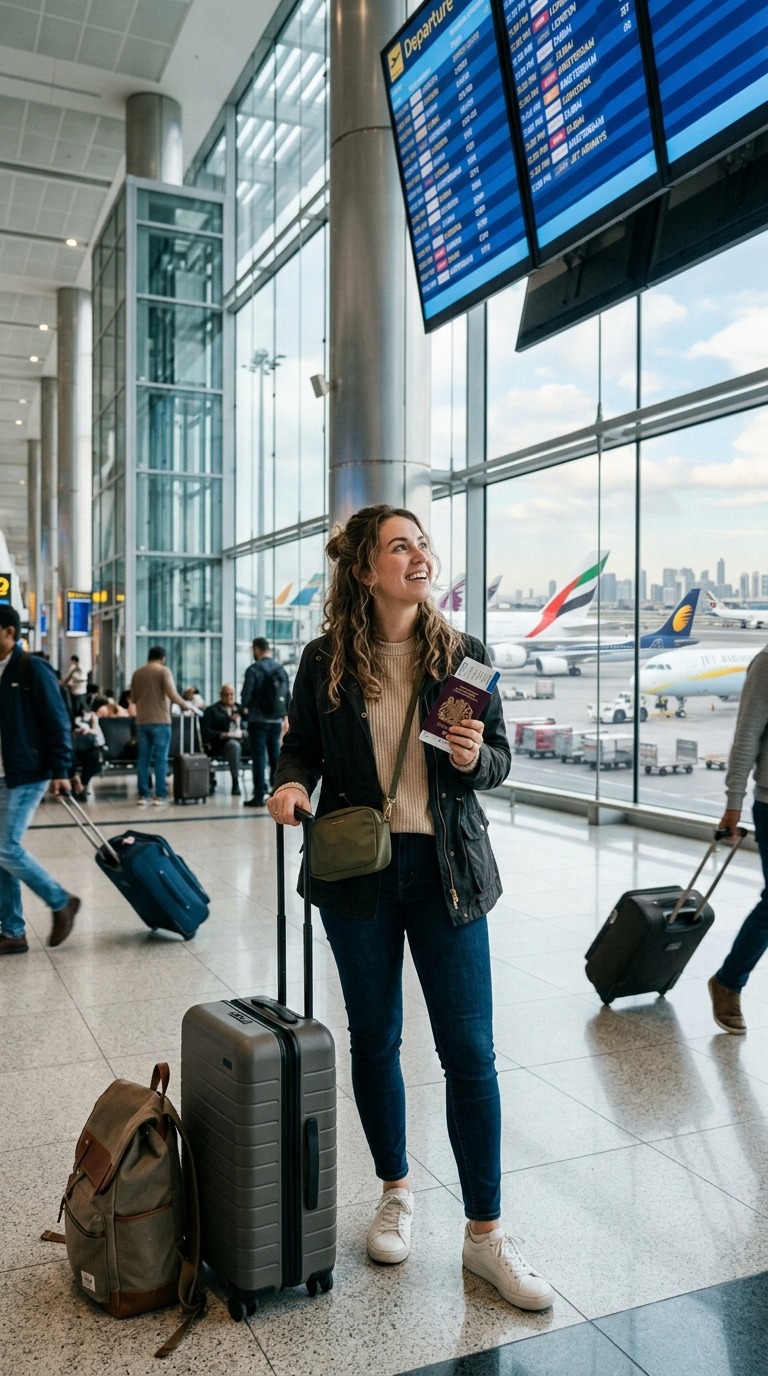
Taking your first big trip is exciting. There is something wonderfully strange about standing in an airport with a suitcase beside you and realizing, Okay, I am actually doing this.
Then the practical questions begin.
Did I bring the right documents? How early should I arrive at the airport? Should I exchange money before leaving? What happens if my phone has no internet? Am I packing too much? Did I book my hotel in the right neighborhood?
Suddenly, your relaxing vacation has turned into a small logistics operation.
The good news is that most travel problems are surprisingly predictable. Experienced travelers are not magically better at traveling. Most of us simply made a few mistakes, learned from them, and quietly stopped doing those things again.
This first-time travel guide focuses on those lessons.
If you are preparing for your first international trip, your first solo vacation, or simply your first journey that requires serious planning, here are the travel mistakes worth avoiding and the habits that can make your trip much smoother.
What Should First-Time Travelers Know?
For a first-time traveler, the most important thing to know is that good travel planning is less about controlling every detail and more about preventing avoidable problems.
You do not need an hour-by-hour itinerary.
You do need to know:
Your entry requirements
Where your passport and important documents are
How you are getting from the airport to your accommodation
How you will access money
How your phone will connect abroad
Where you are staying
What your travel insurance covers
What your backup plan is if something goes wrong
Once those basics are handled, you can leave plenty of room for spontaneity.
That is usually where the fun lives anyway.
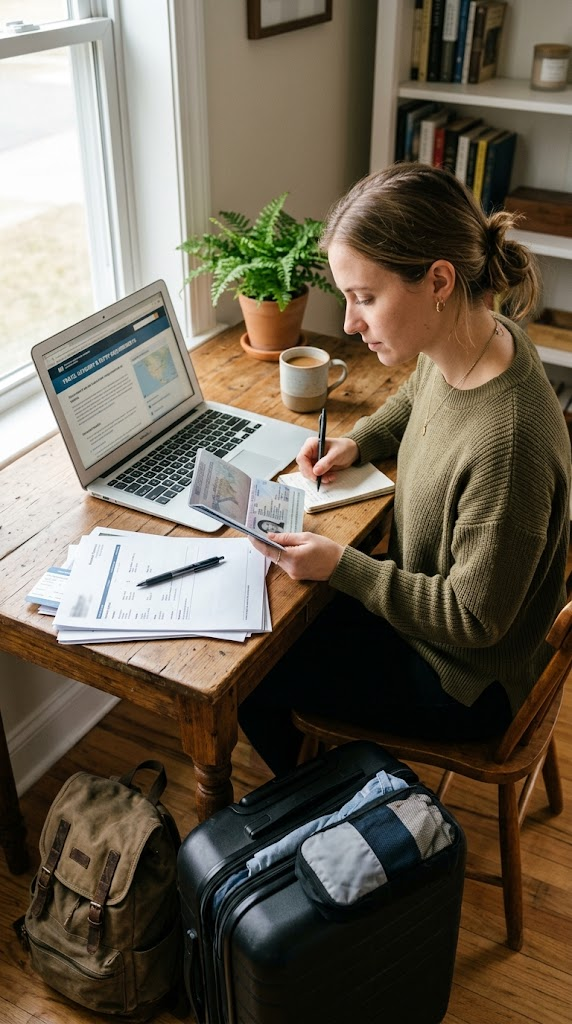
Check Passport and Entry Rules Before Booking
One of the biggest first-time travel mistakes happens before the trip even begins: booking flights without fully checking entry requirements.
Having a valid passport does not automatically mean you can travel anywhere.
Depending on your nationality and destination, you may need a visa, electronic travel authorization, proof of accommodation, onward travel, travel insurance, vaccination documents, or evidence that you have enough money for your stay.
Passport validity rules can also differ between destinations. Some countries require your passport to remain valid beyond the dates of your trip.
Always check the official immigration or government information for your destination before purchasing non-refundable arrangements.
Do not rely entirely on a social media post from someone who traveled there three years ago.
Immigration officers tend to care slightly more about government rules than TikTok does.
Also check whether you need a transit visa if your flight connects through another country. Travelers sometimes focus entirely on their final destination and forget that transit requirements may apply during a layover.
Make Sure Your Name Matches Your Passport
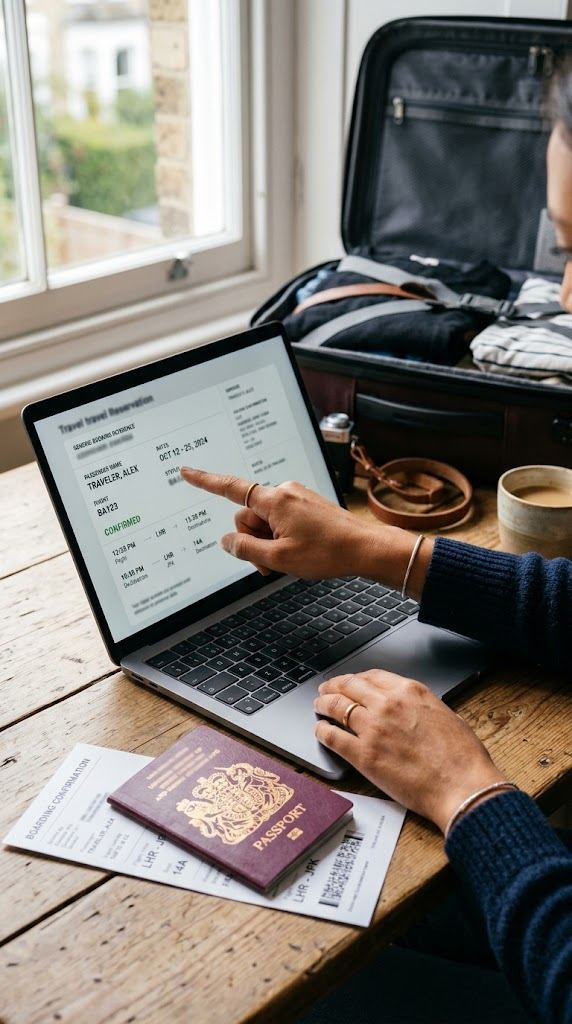
When booking flights, enter your name carefully.
Your airline reservation should correspond with the name shown on your travel document according to the airline’s booking requirements.
A typo that looks tiny while you are sitting comfortably at home can become considerably less charming at an airport check-in desk.
Before paying for your ticket, review:
First and last name
Travel dates
Departure airport
Destination airport
Baggage allowance
Connection details
Passport information if requested
Also pay attention to cities with multiple airports.
Booking the correct city but the wrong airport can add hours of transportation and unexpected costs to your journey.
Do Not Build an Overly Ambitious Itinerary
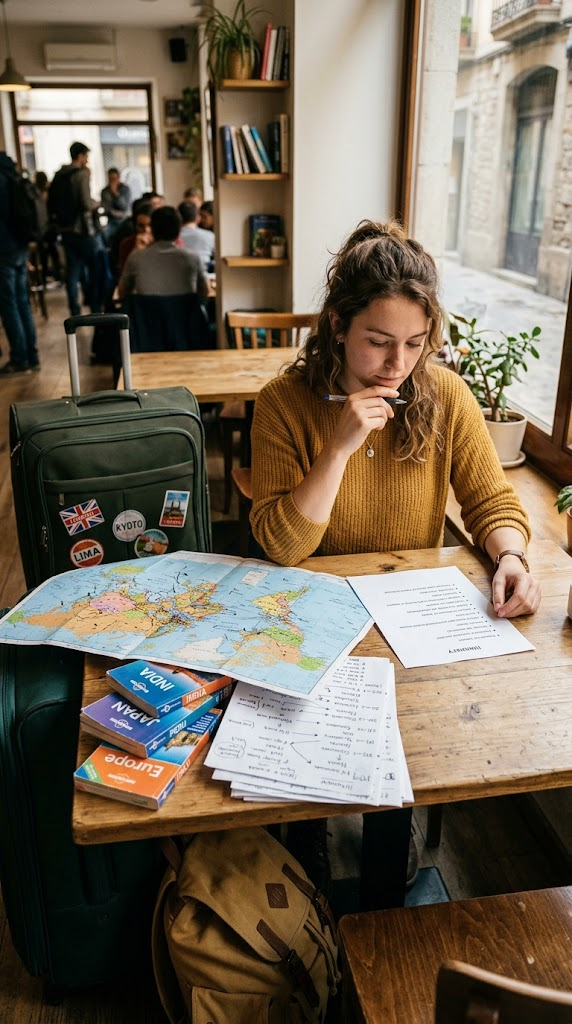
First-time travelers frequently underestimate how tiring travel can be.
You might look at a map and think:
Monday: Paris
Tuesday: Brussels
Wednesday: Amsterdam
Thursday: Cologne
Friday: Switzerland
Technically possible?
Perhaps.
Enjoyable?
That is another question.
Transportation takes time. Hotels have check-in and check-out schedules. Trains get delayed. Airports may be outside city centers. You need to eat, sleep, shower, navigate unfamiliar streets, and occasionally sit somewhere without consulting Google Maps.
Instead of measuring a trip by how many destinations you can squeeze into it, think about how much time you actually want to experience each place.
For many first trips, spending several nights in one destination is far more enjoyable than constantly packing and moving.
Travel should occasionally involve seeing things rather than transporting your luggage between them.
Research Where to Stay, Not Just Which Hotel to Book
A beautiful hotel at a bargain price may look like an incredible deal until you discover that it is an hour away from everything you came to see.
When choosing accommodation, study the neighborhood as carefully as the property itself.
Consider:
Distance from major attractions
Access to public transportation
Airport connections
Restaurants and grocery stores nearby
Safety and lighting at night
Noise levels
Walking distance
Reviews mentioning the surrounding area
For a short city trip, paying slightly more for a convenient location can sometimes reduce your total travel costs because you spend less money and time commuting.
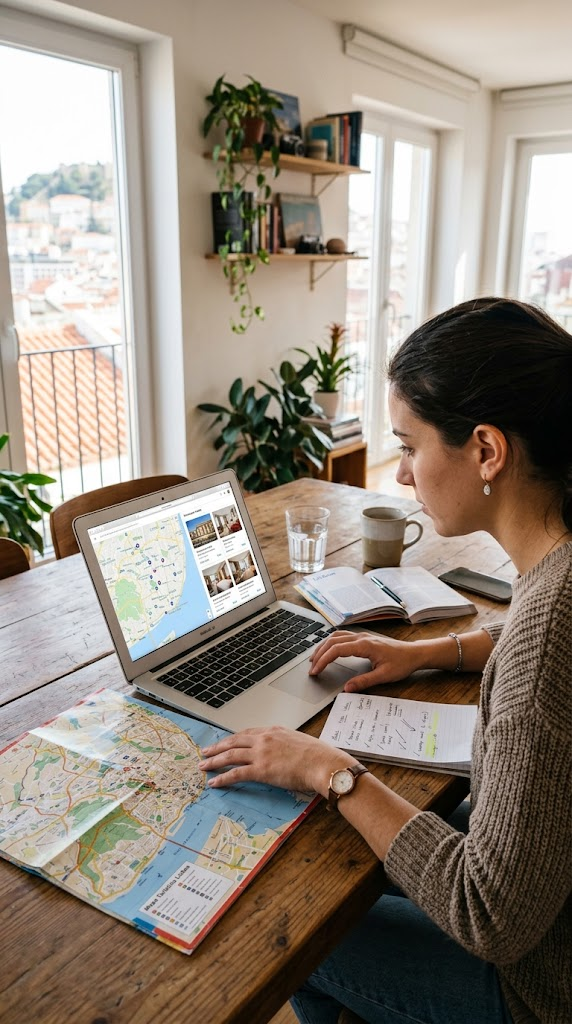
Zoom out on the map before booking.
That simple habit has rescued many travelers from discovering that their “central hotel” is central to absolutely nothing they wanted to visit.
Read Recent Accommodation Reviews Carefully
Do not judge accommodation entirely by its overall rating.
Read recent reviews.
Look for repeated comments about:
Cleanliness
Noise
Wi-Fi
Air conditioning or heating
Staff responsiveness
Check-in difficulties
Neighborhood conditions
Bed comfort
Bathroom quality
Hidden charges
One negative review does not necessarily mean much. Travelers occasionally leave one-star reviews because the clouds were emotionally disappointing.
Repeated complaints, however, deserve attention.
If ten recent guests mention construction noise, broken air conditioning, or cleanliness problems, take that pattern seriously.

Plan Your Airport Arrival in Advance
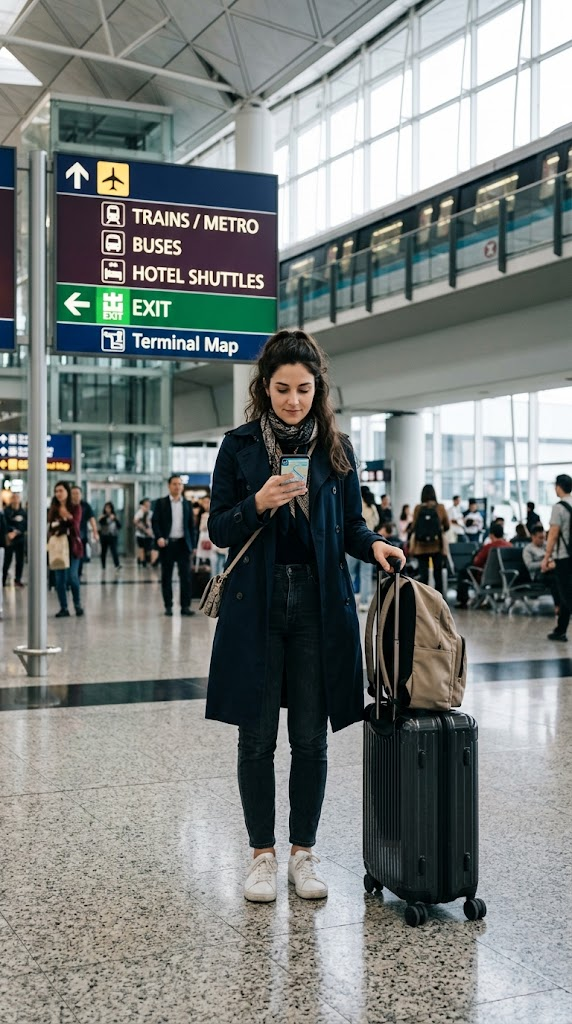
After a long flight, figuring out local transportation while carrying luggage is not particularly fun.
Research your airport-to-hotel route before departure.
Find out whether your destination offers:
Airport trains
Metro connections
Airport buses
Official taxis
Ride-hailing services
Hotel transfers
Take a screenshot of your accommodation name, address, and directions.
If the destination uses a language or writing system you cannot read, having the address displayed in the local language can also be useful.
This small piece of preparation makes arriving in an unfamiliar city dramatically easier.
Arrive at the Airport With Enough Time
Missing a flight because you arrived too late is one of those travel experiences that becomes funny approximately seven years later.
Give yourself reasonable time.
Airport procedures vary according to the airport, airline, destination, security requirements, and whether you are checking luggage.
International travel often requires more time than domestic travel because passport checks and additional documentation may be involved.
Your airline and departure airport should be your primary reference for recommended arrival time.
If you are unfamiliar with the airport, traveling during a busy holiday period, checking bags, or flying internationally for the first time, additional buffer time can reduce unnecessary stress.
Being slightly bored at the gate is considerably cheaper than buying another flight.

Learn Your Airline’s Baggage Rules
Airline baggage policies can differ enormously.
Do not assume that every ticket includes:
Checked luggage
A cabin suitcase
A personal item
Seat selection
Meals
Budget airline fares can be especially restrictive.
Check both the permitted dimensions and weight.
A suitcase might look small enough but still exceed an airline’s weight allowance.
If your fare does not include checked baggage, compare the cost of adding it online before departure with the possible airport price.
Airline baggage fees have a special talent for becoming significantly less cute when paid at the check-in counter.

Stop Packing for Every Possible Scenario
Overpacking is practically a first-time traveler tradition.
You begin with seven outfits.
Then you think:
“What if it rains?”
Another outfit appears.
“What if somewhere is fancy?”
Another outfit.
“What if I spontaneously start hiking?”
Somehow hiking boots enter the suitcase.
Soon you are transporting your entire personality overseas.
Instead, pack around realistic activities.
Choose clothing that can be combined into different outfits and worn more than once where appropriate.
Focus on:
Comfortable walking clothes
Weather-appropriate layers
Suitable shoes
Necessary toiletries
Prescription medication
Essential electronics
Destination-specific clothing requirements
Leave some room in your luggage, particularly if you expect to shop.
Your future self dragging that suitcase across a railway platform will be grateful.

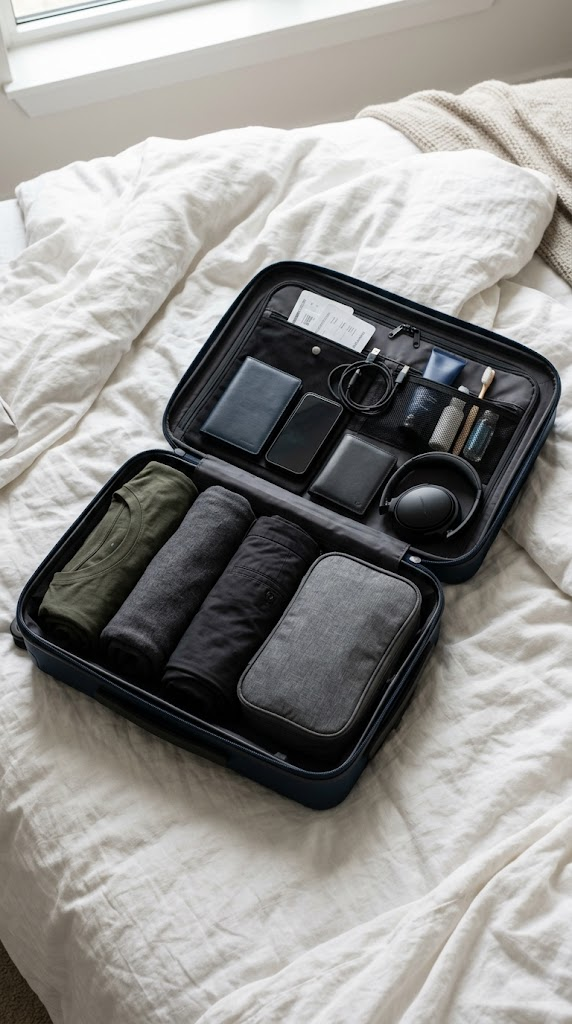
Keep Essentials in Your Carry-On
Checked luggage occasionally gets delayed.
That does not happen to most bags, but being prepared makes a delay far easier to handle.
Your carry-on or personal item should contain the things you genuinely cannot afford to lose temporarily.
These may include:
Passport
Wallet
Phone
Chargers
Prescription medication
Valuable electronics
Important documents
Keys
One basic change of clothing
Essential toiletries within security rules
Never place critical travel documents in checked baggage.
You want your passport traveling approximately as close to you as possible.
Check the Weather Properly Before Packing
Looking at the average temperature for a destination is not enough.
Check the actual forecast shortly before traveling.
Also consider temperature changes between daytime and evening.
A city that feels warm at 2 p.m. might feel surprisingly cold after sunset.
Weather can also vary considerably between regions of the same country.
If your itinerary includes mountains, beaches, coastal towns, or high-altitude destinations, pack accordingly.
Comfortable travelers are generally happier travelers.
Few experiences create unnecessary character development quite like spending an entire vacation wearing the wrong shoes in the wrong weather.

Wear Comfortable Shoes
This deserves its own section because footwear can quietly determine whether your sightseeing days are enjoyable or miserable.
You may walk far more than you normally do at home.
A typical city sightseeing day can involve hours of walking through museums, stations, old streets, shopping districts, parks, and attractions.
Do not make your vacation the first major test of brand-new shoes.
Wear them beforehand.
If your itinerary involves significant walking, prioritize comfort over looking like you wandered directly out of a fashion campaign.
Your feet do not care about Instagram.

Do Not Keep All Your Money in One Place
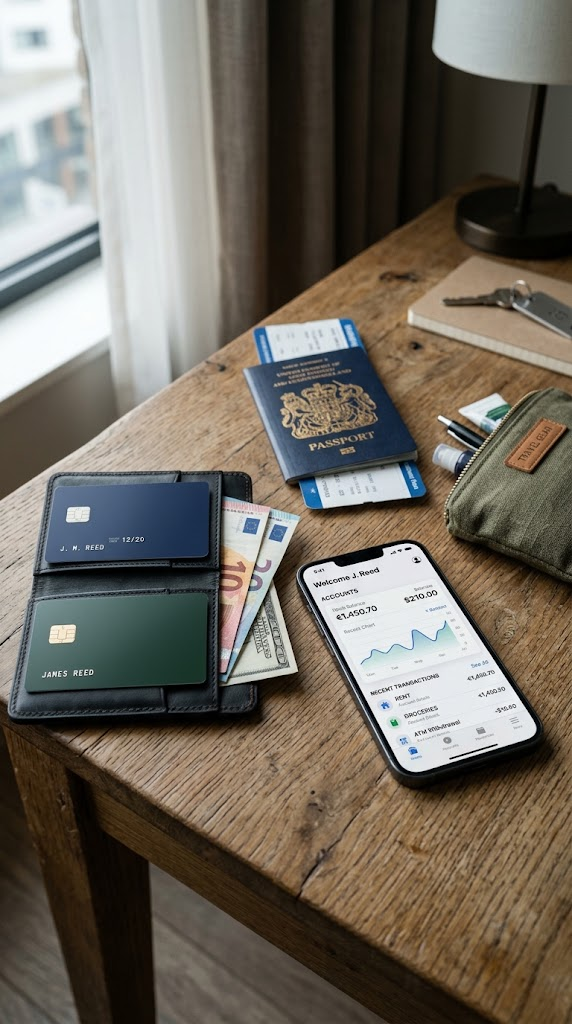
Travel becomes much easier when you have more than one way to pay.
Consider carrying:
A primary bank card
A backup card
A modest amount of local cash
Keep the backup card separate from your primary wallet.
If your wallet is lost or a card stops working, you still have another option.
Before traveling internationally, check whether your cards charge foreign transaction or international ATM fees.
Also make sure you can access your banking apps while abroad.
You may occasionally encounter machines or merchants that do not accept your preferred card, which is why a combination of payment methods is useful.
Be Careful With Currency Conversion
One surprisingly expensive travel mistake is agreeing to unfavorable currency conversion without realizing what is happening.
When paying by card abroad, you may sometimes be offered the choice between paying in your home currency or the destination’s local currency.
The conversion offered by a merchant or payment terminal may not always be the most favorable option.
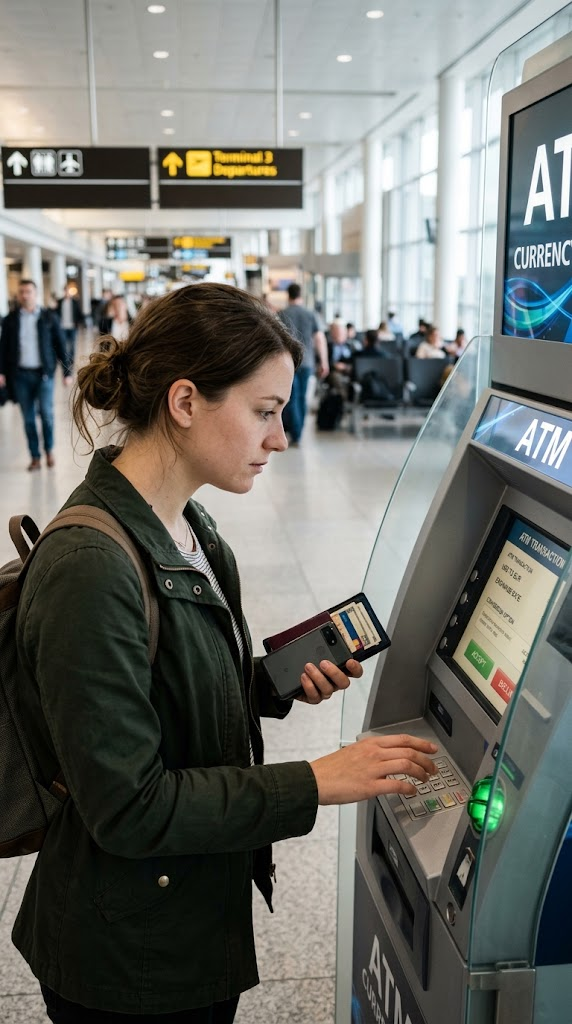
Similarly, some ATMs may present conversion choices or additional charges.
Read the screen before pressing buttons automatically.
Also avoid exchanging large amounts of money at the first currency booth you see simply because you have just left immigration and everything feels urgent.
Research typical options before traveling so you know what to expect.
Tell Someone Your Basic Travel Plans
You do not need to broadcast your itinerary to everyone you have met since kindergarten.
But someone you trust should know where you are going.
Share basic information such as:
Destination
Flight details
Accommodation
General travel dates
If you are traveling solo, checking in periodically with someone at home can also be sensible.
This is less about worrying and more about creating a simple safety net.

Save Copies of Important Documents
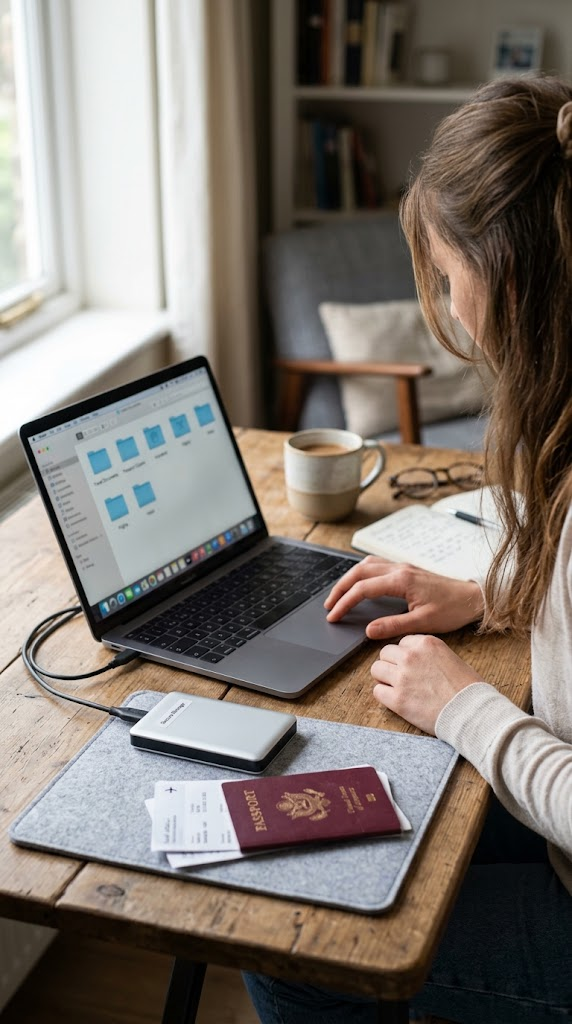
Keep digital copies of essential travel documents somewhere secure and accessible.
These might include:
Passport identification page
Visa or travel authorization
Travel insurance information
Flight confirmation
Accommodation confirmation
Important contact information
Avoid relying entirely on documents stored only on one phone.
Phones get lost, damaged, stolen, or dramatically decide to have 2% battery exactly when you need them.
A secure backup can save considerable trouble.
Buy Travel Insurance for the Right Reasons
Travel insurance is one of those purchases you hope turns out to be completely unnecessary.
That is actually the ideal outcome.
Policies vary, so read what is included rather than simply choosing the cheapest option.
Depending on the policy, coverage might include areas such as:
Emergency medical treatment
Trip cancellation or interruption
Travel delays
Lost or delayed baggage
Certain emergency assistance
Pay close attention to exclusions and coverage limits.
Activities, pre-existing medical conditions, valuables, and specific destinations may have different conditions depending on the insurer.
Travel insurance is not a substitute for good judgment, but it can reduce the financial impact of certain unexpected situations.

Know How Your Phone Will Work Abroad
Do not wait until landing to discover that mobile roaming costs roughly the GDP of a small island.
Before departure, check your options.
These may include:
International roaming from your existing provider
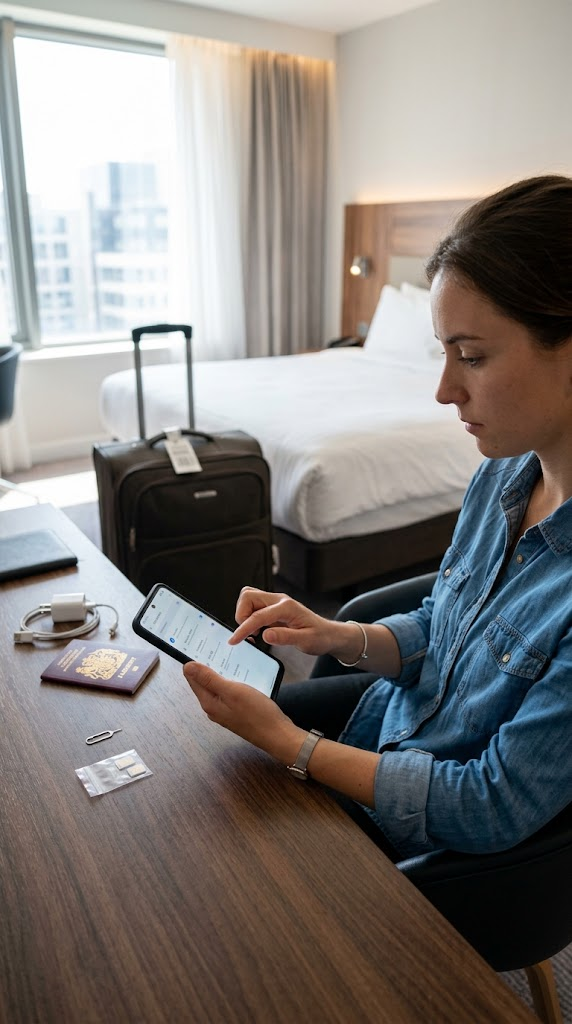
A local SIM
An eSIM
Wi-Fi-based connectivity
The best choice depends on your destination, phone compatibility, length of stay, and how much mobile data you use.
Make sure your phone is compatible with your chosen option before traveling.
You should also download useful information for offline access.
That can include:
Maps
Hotel details
Airline information
Train tickets
Translation data
Important addresses
Internet access is wonderfully convenient.
Knowing what to do without it is even better.
Download Offline Maps
Navigation apps are incredibly useful abroad, but mobile data can disappear at the least convenient moment.
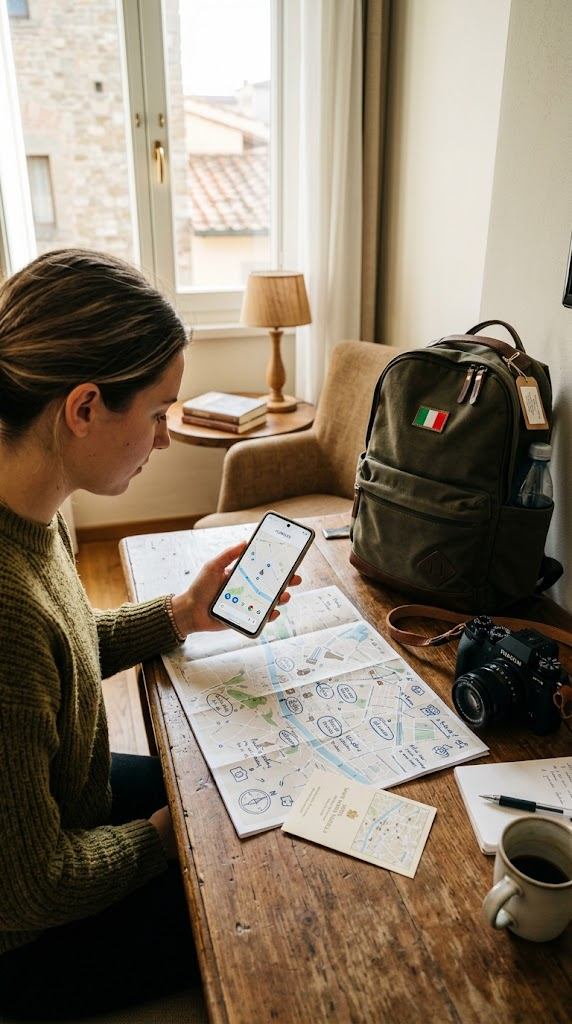
Download an offline map of your destination before leaving reliable Wi-Fi.
Save important locations such as:
Your hotel
Airport
Train station
Major attractions
Embassy or consular contact location if relevant
Meeting points
Transportation hubs
You can also save restaurants, cafés, and places you want to visit.
This reduces the amount of searching you need to do while standing on a street corner looking unmistakably like someone who has no idea where they are.
Learn a Few Local Words
You do not need to become fluent before a one-week vacation.
Learning a handful of useful expressions can still make travel easier and more enjoyable.
Consider learning how to say:
Hello
Thank you
Please
Excuse me
Yes
No
How much?
Where is…?
Do you speak English?
It is also helpful to know important food-related words if you have allergies or dietary restrictions.
Even when people speak your language, making a small effort with theirs can create warmer interactions.
Pronunciation does not need to be perfect.
The attempt counts.

Do Not Assume Customs Are the Same Everywhere
Normal behavior in one country may be unusual, inappropriate, or even prohibited somewhere else.
Before visiting a destination, learn basic local expectations related to:
Clothing
Religious sites
Photography
Tipping
Public behavior
Alcohol
Public displays of affection
Queuing
Eating customs
Transportation etiquette
This becomes especially important when visiting religious buildings or culturally conservative destinations.
Travel is more enjoyable when we arrive curious rather than assuming everyone else should operate exactly as we do at home.

Avoid Scheduling Important Activities Immediately After Arrival
Your flight lands at 7:00 a.m.
The museum reservation is at 9:00.
The walking tour begins at 11:00.
Dinner reservation at 7:00.
Congratulations. You have created a business conference for yourself.
Arrival days can be unpredictable.
Flights may be delayed. Immigration can take time. Baggage may arrive slowly. Your hotel room may not be ready. Jet lag may hit harder than expected.
Keep the first day relatively flexible whenever possible.
Choose one or two easy activities and allow yourself time to settle in.
That first coffee in a new city can be an activity.
We do not always need to optimize every waking minute.

Leave Space for Spontaneous Travel
A tightly planned itinerary can seem efficient until you discover somewhere you love and cannot stay because your schedule says you must move on.
Build flexibility into your trip.
You might discover:
A neighborhood you want to explore
A market you did not know existed
A restaurant locals recommend
A beautiful park
A day trip you had not considered
A festival happening during your visit
Some of the best travel memories come from places that were never originally on the itinerary.
Planning gives your trip structure.
Flexibility gives it personality.

Do Not Book Every Attraction Without Checking Logistics
Popular attractions may require advance reservations, but booking everything months ahead can create a different problem: you become trapped by your own itinerary.
Before booking several timed attractions, look at their locations.
Two attractions that appear close on a tourism map may be far apart in practice.
Consider:
Travel time
Opening hours
Entry times
Security queues
Meal breaks
Transportation
How long you realistically want to spend there
Try grouping nearby attractions together.
It saves transportation time and makes each day feel much more natural.

Learn the Local Transportation System
Public transportation can be one of the easiest ways to explore a destination, but every system works slightly differently.
Before arriving, find out:
How tickets are purchased
Whether tickets require validation
Whether contactless payment is accepted
Whether there are daily or multi-day passes
When services stop running
Whether airport transportation uses a different ticket
Ticket validation rules are particularly worth checking.
In some transport systems, simply possessing a ticket may not be enough if it needed to be validated before travel.
A few minutes of research can prevent an uncomfortable discussion with a ticket inspector who is considerably less interested in your first-time-traveler innocence than you hoped.
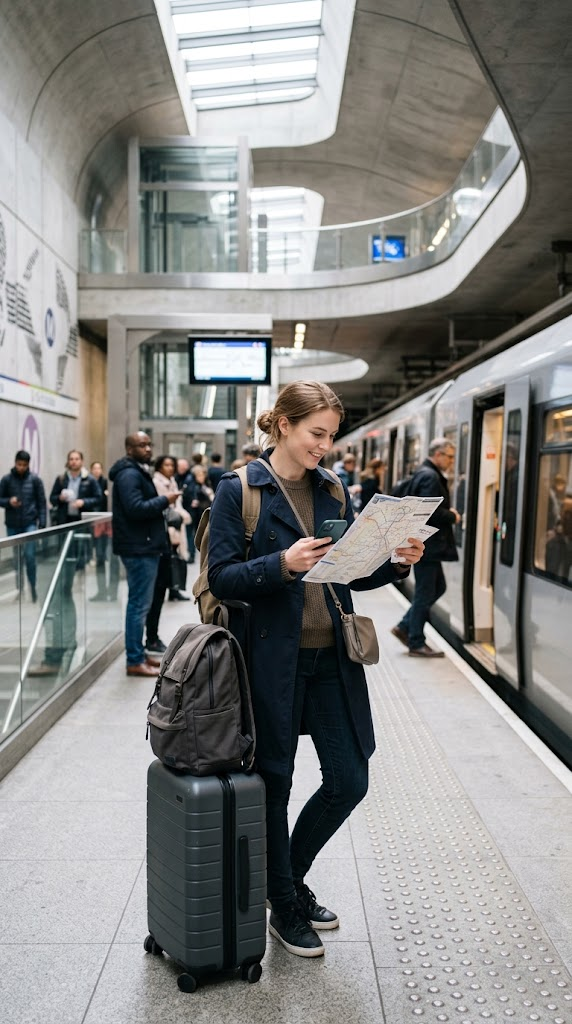
Do Not Depend Entirely on Taxis
Taxis and ride-hailing services can be extremely useful, particularly when arriving with luggage or returning late at night.
But using them for every journey can become expensive.
Many destinations have excellent metro, train, tram, or bus networks.
Learning the basic system can save money and sometimes get you around faster than sitting in traffic.
Walking can also be one of the best ways to experience a city when conditions are safe and distances are reasonable.
You notice architecture, shops, cafés, parks, and tiny streets that disappear when you move everywhere by car.
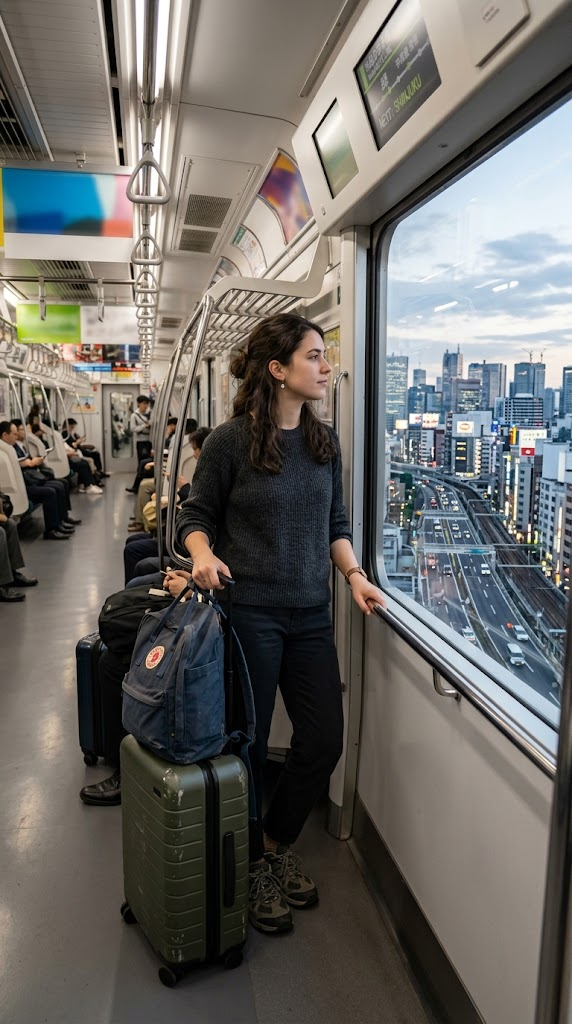
Watch Out for Tourist Scams
Most destinations welcome visitors without problems, but popular tourist areas can attract opportunistic scams.
Common tactics can involve:
Distraction
Unwanted help
Inflated prices
Fake petitions
Friendship-bracelet or gift scams
Unofficial transportation offers
ATM distractions
Pickpocketing
Pressure to enter particular shops or venues
You do not need to become suspicious of every stranger who speaks to you.
You should simply pay attention when someone creates urgency, confusion, distraction, or pressure involving money or belongings.
If an interaction feels strange, politely leave.
You do not owe strangers an explanation for protecting your time or possessions.
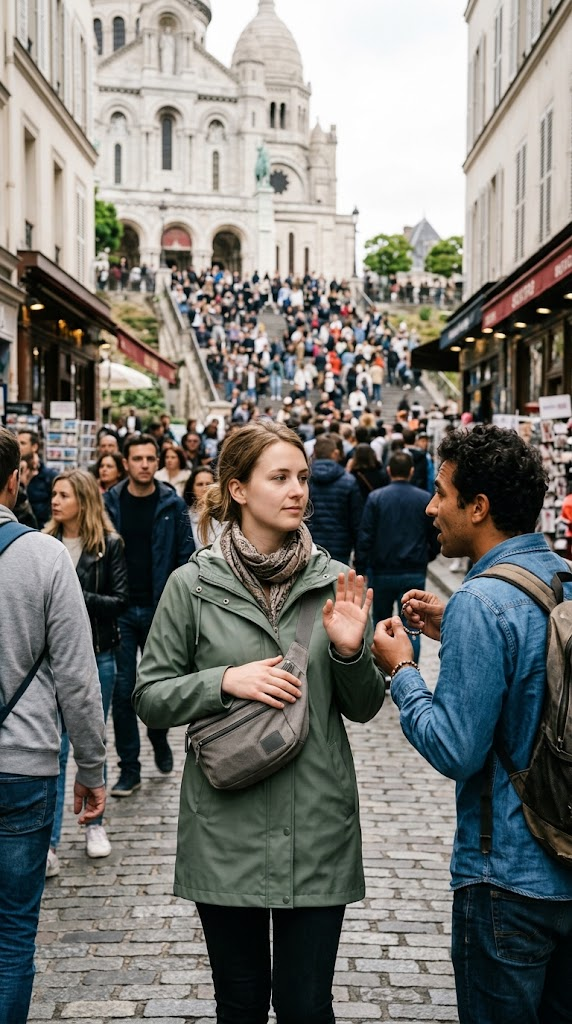
Be Especially Careful in Crowded Places
Pickpocketing tends to be easier in places where people are distracted.
Pay particular attention in:
Crowded public transportation
Major tourist attractions
Busy railway stations
Markets
Festivals
Queues
Escalators
Keep bags properly closed and valuables reasonably secure.
Avoid leaving a phone or wallet exposed in an easy-to-reach pocket.
You do not need to walk around clutching your backpack like it contains nuclear launch codes.
Basic awareness is usually more practical than paranoia.
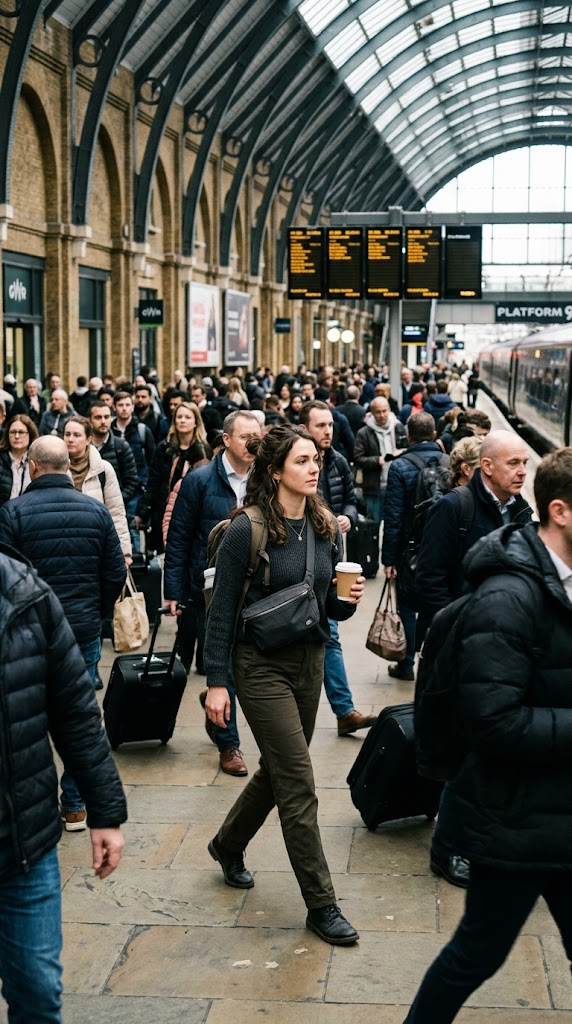
Avoid Posting Your Exact Location in Real Time
Sharing travel experiences online is part of the fun for many people.
But broadcasting your precise accommodation or exact real-time location publicly is not always necessary.
You can post photos later.
This is particularly worth considering if you are traveling alone.
Enjoy the sunset first.
Instagram will survive for twenty minutes.

Learn How to Handle Jet Lag
Long-distance travel may involve crossing several time zones.
Your body does not immediately read airport signs and say, “Ah yes, apparently it is breakfast now.”
If possible, start adjusting your sleep gradually before traveling when crossing significant time zones.
Once you arrive:
Follow local time as much as reasonably possible
Get daylight exposure
Stay hydrated
Avoid making your first day excessively demanding
Try not to take an extremely long daytime nap that destroys your first night’s sleep
Jet lag affects travelers differently, so give yourself some flexibility.

Drink Water During Travel
Flights, walking, warm weather, alcohol, unfamiliar routines, and excitement can all make it surprisingly easy to forget hydration.
Carry a reusable bottle where permitted and fill it after airport security when safe drinking water is available.
Also check whether tap water is considered safe to drink at your destination.
If it is not, use appropriate bottled or treated water according to local guidance.
It sounds simple, but dehydration has ruined more sightseeing days than complicated travel emergencies ever will.

Do Not Forget About Food Safety
Trying local food is one of my favorite parts of traveling.
You should absolutely enjoy it.
Just use reasonable judgment.
Pay attention to:
Food hygiene
Safe drinking water
Properly cooked food
Allergies
Storage conditions
Your own dietary limitations
Busy establishments can sometimes be a good sign because food moves quickly, although popularity alone never guarantees safety.
If you have serious allergies, prepare translations of the relevant ingredients and communicate them clearly.
Food adventures are wonderful.
Food adventures involving an emergency room are considerably less charming.

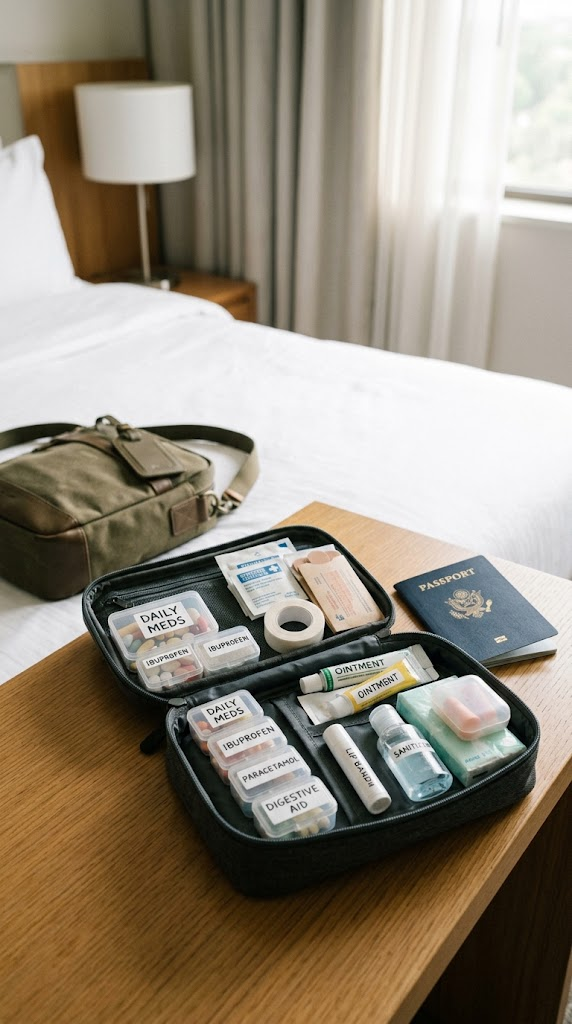
Carry Basic Medication You Normally Use
You do not need to build a portable pharmacy.
But bringing reasonable quantities of medications you regularly use can be useful.
Keep prescription medications properly labeled and check destination rules before traveling, particularly for controlled medicines.
Some medications that are readily available in one country may be regulated differently elsewhere.
If medication is essential to your health, carry enough for the trip plus a sensible buffer where permitted.
Do not assume you can simply buy the same brand after arrival.
Avoid Trying to “Travel Like a Local” Too Hard
There is nothing wrong with being a tourist.
You traveled somewhere because you wanted to see it.
See the famous landmarks.
Visit the beautiful viewpoint.
Take the ridiculous photo.
Eat somewhere popular.
You do not earn extra travel points for deliberately avoiding everything visitors enjoy.
At the same time, explore beyond the headline attractions when possible.
Walk through residential neighborhoods where appropriate, visit local markets, eat at ordinary restaurants, and spend time simply observing daily life.
The best balance is often somewhere between “tourist checklist” and “pretending I have lived here since 1994.”

Keep Your Daily Plans Realistic
Travel days often move more slowly than normal days.
You spend time navigating, waiting, taking photos, looking for entrances, resting, eating, and occasionally walking in the completely wrong direction with great confidence.
Instead of trying to visit ten attractions, choose a few priorities.
Ask yourself:
If I only do three things today, what would make the day feel worthwhile?
Start there.
Anything additional becomes a bonus rather than an obligation.
This single shift can make a vacation feel dramatically more relaxing.

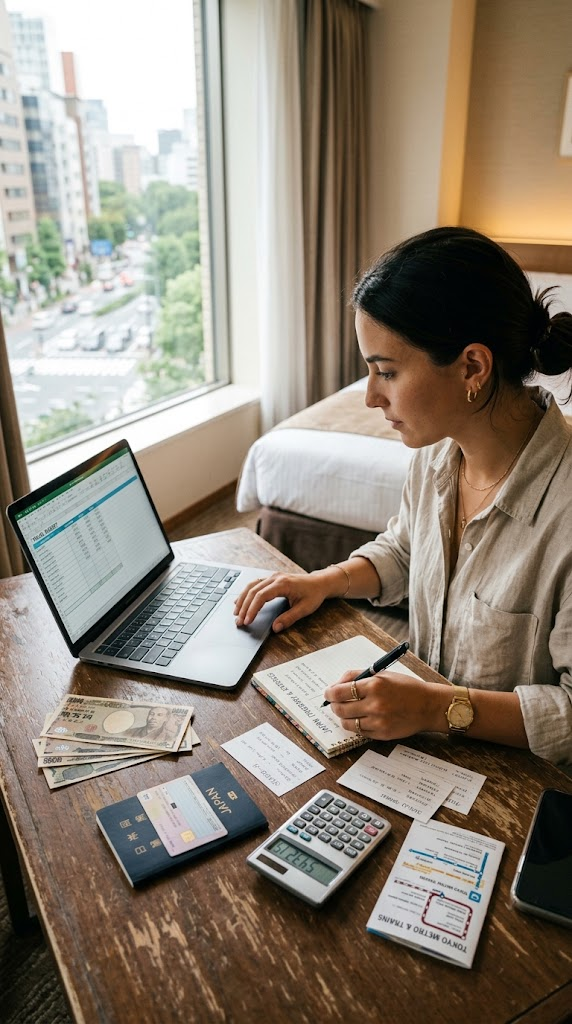
Create a Simple Travel Budget
One of the most common first-time travel mistakes is budgeting for flights and accommodation while forgetting everything else.
Your travel budget should also consider:
Local transportation
Airport transfers
Meals
Attractions
Tours
SIM or mobile data
Travel insurance
Visa or entry fees
Luggage fees
City taxes
Souvenirs
Emergency expenses
Give yourself a small buffer.
Trips have a habit of producing expenses that did not appear in the original spreadsheet.
Occasionally the expense is practical.
Occasionally it is gelato.
Both happen.
Do Not Chase the Cheapest Option Every Time
Budget travel is not simply about spending the least possible money.
It is about spending wisely.
A flight that saves $40 but arrives at a distant airport at midnight might eventually cost more after transportation.
A hotel that saves $20 per night but requires expensive commuting may not be a bargain.
A very cheap flight with strict luggage limits might become expensive after adding baggage.
Compare the total cost, not just the advertised price.
Convenience has financial value too.
Have an Emergency Money Buffer
Never plan your budget so tightly that one unexpected expense creates a crisis.
Keep access to emergency funds separate from your normal daily travel money when possible.
Unexpected costs might include:
Replacement transportation
Medical expenses
An extra hotel night
Lost belongings
Flight disruption
Emergency communication
Unexpected fees
You may never use the buffer.
Excellent.
Bring it anyway.
Double-Check Travel Dates
This sounds almost too basic to mention.
And yet.
Travelers book hotels for the wrong night surprisingly often, especially when overnight flights are involved.
Pay particular attention when your flight departs late at night and arrives the following calendar day.
Before finalizing bookings, build a simple trip timeline:
Departure: Monday evening
Arrival: Tuesday morning
Hotel check-in: Tuesday
Hotel check-out: Saturday
Return flight: Saturday evening
Seeing everything together makes date mistakes much easier to spot.
Understand Hotel Check-In and Check-Out Times
Landing at 6:00 a.m. does not mean your hotel room will be available at 7:00 a.m.
Standard check-in may be much later.
If you arrive early, ask whether the accommodation can store your luggage until the room is ready.
Likewise, if your departure flight is late at night, you may be able to leave bags with the hotel after check-out.
For extremely early arrivals or late departures, you may decide that booking an additional night is worth the convenience.
Have a Backup Plan for Your Phone
Your phone may contain your boarding passes, maps, hotel confirmation, tickets, translation tools, banking apps, and practically your entire travel brain.
Treat battery life accordingly.
Carry an appropriate power bank where airline regulations allow it, and remember that aviation rules typically restrict where certain lithium battery devices may be carried.
Check current airline requirements before packing.
Also consider keeping important addresses and confirmation details somewhere accessible offline.
Travel technology is wonderful right up until the battery icon turns red.
Do Not Ignore Airport Security Rules
Security regulations concerning liquids, electronics, batteries, and prohibited items can vary.
Check the requirements for the airports you will use before departure.
Do not assume that rules at your home airport will be identical everywhere.
Pack liquids and electronics so they are reasonably easy to access if screening requires removal.
And yes, security is somehow always when your carefully organized bag decides to become an archaeological excavation.
Give Yourself Connection Time Between Flights
A very short connection may look efficient when booking.
It feels somewhat different when you are speed-walking through an enormous airport while your next flight is boarding.
If you have a connection, consider whether you may need to:
Change terminals
Clear immigration
Pass through security again
Collect and recheck baggage
Travel between airport buildings
The necessary connection time depends heavily on the airport and ticket arrangement.
Separate tickets can create additional risk because one airline may have no obligation to accommodate you if a delay causes you to miss a separately booked flight.
When in doubt, a reasonable buffer is usually more pleasant than airport sprinting.
Save Important Addresses Offline
Before departure, keep the following information somewhere accessible even without internet:
Hotel name
Hotel address
Hotel phone number
Airport information
Emergency contact
Insurance information
Essential reservation details
You may never need your offline backup.
That is fine.
Travel preparation is often about making sure the boring backup plan exists so you can happily ignore it.
Keep Some Flexibility Around Meals
You do not need a reservation for every breakfast, lunch, dinner, snack, and emotionally significant croissant.
Save restaurants you would like to try, but keep options.
Plans change.
You may be in a different neighborhood when you get hungry.
A restaurant may unexpectedly close.
You may simply see somewhere that looks fantastic.
For particularly popular restaurants or special occasions, booking ahead can make sense.
For ordinary meals, flexibility often makes travel feel more relaxed.
Respect Your Energy
Travel can produce a strange pressure to maximize every second because you spent money getting there.
But exhaustion does not become less exhausting because you are in Rome.
Take breaks.
Sit in a café.
Spend an hour in a park.
Return to the hotel if necessary.
Have a slower morning.
A trip does not become more valuable because you returned home needing another vacation to recover from it.
Some of my favorite travel moments are the quiet ones between attractions.
What Should You Do the Day Before Traveling?
The day before your trip, perform one final practical check.
Confirm:
Passport
Visa or authorization if required
Flight status
Online check-in if available
Boarding information
Baggage allowance
Airport transportation
Accommodation booking
Travel insurance
Phone connectivity
Cards and cash
Medication
Chargers
Weather forecast
Airport arrival plan
Then stop planning.
Seriously.
At some point you have to trust the preparation and go.
What Should You Pack for Your First Trip?
A first-time travel packing list does not need to be enormous.
Start with the essentials:
Passport and required documents
Wallet and payment methods
Phone
Chargers
Appropriate clothing
Comfortable walking shoes
Toiletries
Prescription medications
Travel insurance details
Accommodation information
Then add items based on the destination, weather, and activities.
The secret is not finding a universal packing list.
The secret is asking, “Will I realistically use this?”
If the answer is “perhaps, under highly specific circumstances involving a yacht,” you can probably leave it home.
What Are the Biggest First-Time Travel Mistakes?
If we had to reduce this entire guide to the mistakes that cause the most unnecessary trouble, they would be:
Failing to check entry requirements
Booking flights with incorrect information
Overpacking
Planning too many destinations
Choosing accommodation without checking location
Ignoring baggage limits
Carrying only one payment method
Forgetting mobile data arrangements
Leaving no emergency budget
Scheduling too much
Not checking airport transportation
Keeping all important information on one device
Wearing uncomfortable shoes
Leaving no flexibility for delays or spontaneous discoveries
Avoid those, and you have already removed a surprising amount of travel stress.
First-Time International Travel FAQ
How early should I start planning my first international trip?
For a straightforward vacation, beginning several months ahead can provide more choices for flights and accommodation, although the ideal timeline varies by destination, visa requirements, season, and trip complexity. If a visa is required, research processing timelines before making non-refundable commitments.
How much money should a first-time traveler bring?
There is no universal amount. Your budget should account for accommodation, transportation, food, attractions, insurance, mobile connectivity, fees, and emergencies. Carrying both electronic payment options and some local cash is often practical.
Should I exchange currency before traveling?
Having a small amount of destination currency before arrival can be convenient, particularly for transportation or small purchases. However, the best exchange method varies by country, bank, card provider, and available ATM network. Compare fees and exchange rates rather than automatically using airport exchange counters.
Do I need travel insurance?
Travel insurance is strongly worth considering, particularly for international travel. Coverage varies widely, so review medical coverage, cancellation terms, baggage protection, exclusions, and policy limits before purchasing.
Is traveling internationally difficult for beginners?
Usually not. The unfamiliar parts can feel intimidating before the trip, but most of the process becomes straightforward once you have handled your documents, transportation, accommodation, money, connectivity, and basic safety planning.
Should first-time travelers book tours?
Tours can be useful, especially for complicated attractions, historical destinations, difficult transportation routes, or places where local expertise adds value. You do not need tours for everything. Mixing independent exploration with one or two guided experiences can work beautifully.
Is it better to use cash or cards abroad?
Both can be useful. Cards are convenient for many purchases, while cash may still be needed for smaller businesses, markets, transportation, or destinations where card acceptance is limited. Having a backup payment method is particularly important.
What if I make mistakes while traveling?
You probably will.
All of us do.
You may board the wrong train, order something unexpected, take a scenic 40-minute walk that was supposed to take seven minutes, or discover that the attraction you carefully walked across town to visit is closed on Tuesdays.
That is travel.
Solve the problem in front of you, laugh when appropriate, adjust the plan, and continue.
A Better Way to Think About Your First Trip
Your first trip does not need to be perfect.
In fact, trying to create a perfect vacation can make traveling more stressful.
The goal is not to eliminate every possibility of inconvenience.
The goal is to prepare well enough that small problems remain small.
Check your documents.
Pack reasonably.
Protect your money.
Research your transportation.
Choose accommodation carefully.
Give yourself time.
Stay aware.
And leave enough empty space in your itinerary for the destination to surprise you.
Because years from now, you probably will not remember whether you completed every item on your travel checklist.
You will remember walking into a city you had only seen in photographs.
You will remember the first meal that tasted completely different from anything you eat at home.
You will remember getting slightly lost and finding somewhere unexpectedly beautiful.
You will remember realizing that a place that once seemed impossibly far away is now somewhere you know.
That is the part of travel worth making room for.
Prepare carefully, avoid the mistakes you can avoid, and then go enjoy the journey.
