
Signs Your Car Battery Is Failing
Noticing slow engine cranks, dim lights, or glitchy electronics? These are signs your car battery may be failing—check connections, test it, and replace soon!!!
Noticing slow engine cranks, dim lights, or glitchy electronics? These are signs your car battery may be failing—check connections, test it, and replace soon!!!
Brakes squeak at low speeds for reasons like rust, moisture, worn pads, or brake dust. Learn simple checks and fixes to keep driving smooth and cheerful. Enjoy!
Discover quick, practical tips to improve your car’s gas mileage. From smooth acceleration to steady speeds, proper tire inflation helps save money and fuel :)!
Steering wheel vibration can signal brake, tire, alignment, or suspension issues; regular checks help keep driving smooth, safe, and cheerful. Have a safe ride.
Regular maintenance keeps costs predictable and repair bills small. Proactive checks extend life, improve efficiency, and spark cheerful savings for homes now.
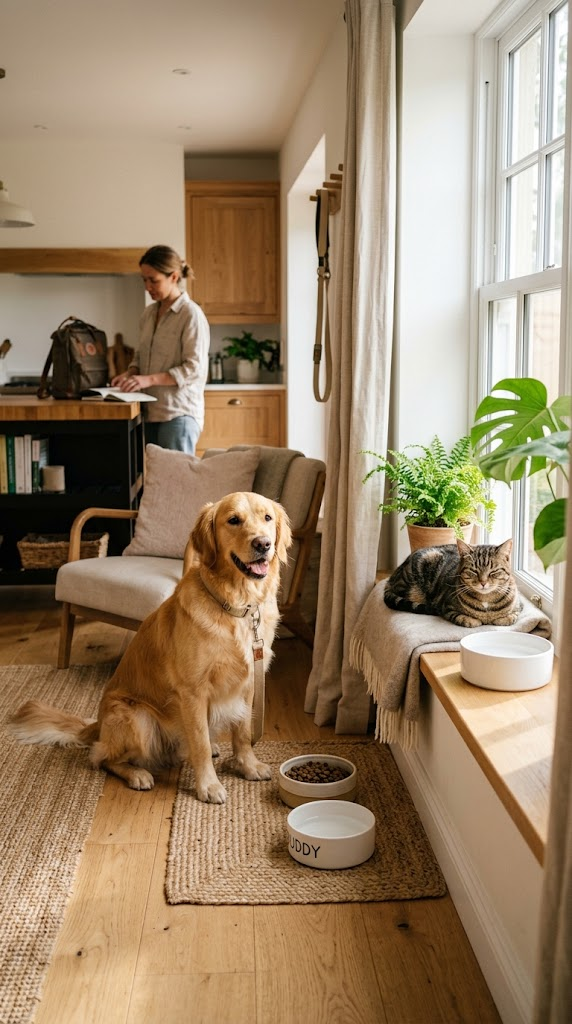
Why pets thrive on predictable schedules: meals, walks, & rest reduce anxiety, aid digestion, and reinforce good behavior, making daily life calmer and happier.

Pets react to emotional changes, showing happiness, stress, and sadness. This article explains how dogs, cats, and birds respond, signaling needs and offering comfort!! Enjoy!

Pets choose resting spots based on comfort, safety, temperature, and scent cues. They seek soft textures, quiet corners, warmth, and closeness, to their humans.
Animals sense calm environments through soft sounds, scents, light, and social cues.Peaceful spaces lower stress and support health and well-being for calm joy.
Pets follow daily patterns!! because routines provide safety and predictability, guiding energy and mood. Understanding their clocks helps owners bond with joy.