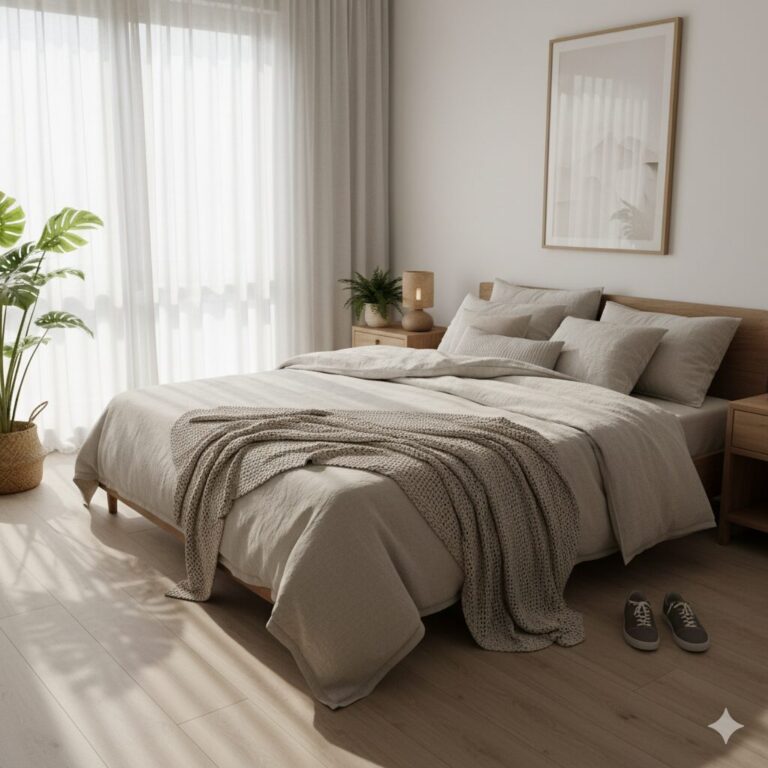
10 Tips for Designing Your Indoor Garden
Before diving in, please note: This post is for informational purposes only. If you’d like to know more about how we approach topics, feel free to check out our friendly Disclaimer Page.
Hey there, amazing readers! 🖐️ Just a quick note: yes, we know there are a lot of ads here. Trust us, we get it—it’s not the prettiest look, but they help us keep this blog alive and kicking. Those pesky little ads cover the costs of all the behind-the-scenes magic, from hosting and tech stuff to creating content we hope you’ll love.
We’re committed to delivering quality posts, and your support (even just sticking around despite the ads) means everything to us. So, bear with us, and thanks for helping us keep the good vibes rolling. Now, on to the fun stuff! 😉
TRANSLATE BUTTON AT THE END OF THE ARTICLE
Designing an indoor garden can bring a touch of nature into your home, providing beauty and tranquility. Whether you have a spacious room or a cozy apartment, incorporating plants into your living space can enhance the ambiance and air quality. Here are ten tips to help you design an indoor garden that thrives and adds charm to your home.
1. Assess Light Conditions
Evaluate the natural light available in your space to determine the best plants for your indoor garden:
Bright Light: South-facing windows or bright areas are ideal for plants that require plenty of sunlight, such as succulents and herbs.
Low Light: For spaces with limited natural light, opt for low-light tolerant plants like snake plants or pothos.
2. Choose the Right Plants
Select plants that suit your indoor environment and your level of care commitment:
Low Maintenance: Consider plants like ZZ plants or peace lilies if you prefer easy-care options.
High Maintenance: If you enjoy more hands-on gardening, choose plants like orchids or fiddle leaf figs that require more attention.
3. Incorporate Vertical Space
Utilize vertical space to maximize your indoor garden’s footprint:
Wall Planters: Install wall-mounted planters or shelves to display plants at different heights.
Hanging Baskets: Use hanging baskets to add greenery without taking up floor space.
4. Create a Planting Layout
Plan the layout of your indoor garden to ensure an attractive and functional arrangement:
Grouping: Group plants with similar light and water needs together for easier maintenance.
Layering: Arrange plants in varying heights to create visual interest and a sense of depth.
5. Select Appropriate Containers
Choose containers that complement your home decor and support healthy plant growth:
Material: Opt for containers made from materials like ceramic, plastic, or terracotta.
Ensure they have drainage holes to prevent waterlogging.
Size: Select pots that are appropriately sized for your plants, allowing room for growth without overcrowding.
6. Incorporate Water Features
Adding a water feature can enhance the ambiance of your indoor garden:
Fountains: Small indoor fountains can provide soothing water sounds and add a touch of elegance.
Water Trays: Place water trays or pebble trays beneath plants to increase humidity and help with moisture retention.
7. Use Quality Soil
Choose the right soil mix to support healthy plant growth:
Potting Mix: Use a high-quality potting mix designed for indoor plants.
It should provide good drainage and aeration.
Soil Additives: Consider adding perlite or vermiculite to improve soil texture and moisture control.
8. Incorporate Lighting Solutions
Supplement natural light with artificial lighting if needed:
Grow Lights: Use LED or fluorescent grow lights to provide the necessary light spectrum for plant growth.
Timers: Set timers to ensure consistent light exposure, especially if natural light is insufficient.
9. Maintain Proper Temperature and Humidity
Ensure a comfortable environment for your indoor garden by monitoring temperature and humidity:
Temperature: Keep indoor temperatures within the range suitable for your plants, typically between 65-75°F (18-24°C).
Humidity: Use a humidifier or mist plants regularly to maintain adequate humidity levels, particularly in dry climates.
10. Regular Care and Maintenance
Commit to regular care to keep your indoor garden thriving:
Watering: Establish a watering routine based on your plants’ needs and check soil moisture regularly.
Pruning: Trim dead or yellowing leaves to promote healthy growth and prevent pests.
Fertilizing: Feed plants with a balanced fertilizer according to their specific requirements.
Conclusion
Designing an indoor garden involves careful planning and consideration to create a space that enhances your home and provides a serene escape. By assessing light conditions, choosing the right plants, utilizing vertical space, and incorporating quality containers and lighting solutions, you can create a thriving indoor garden. Regular care and maintenance will ensure your plants remain healthy and vibrant, adding beauty and tranquility to your living space.