
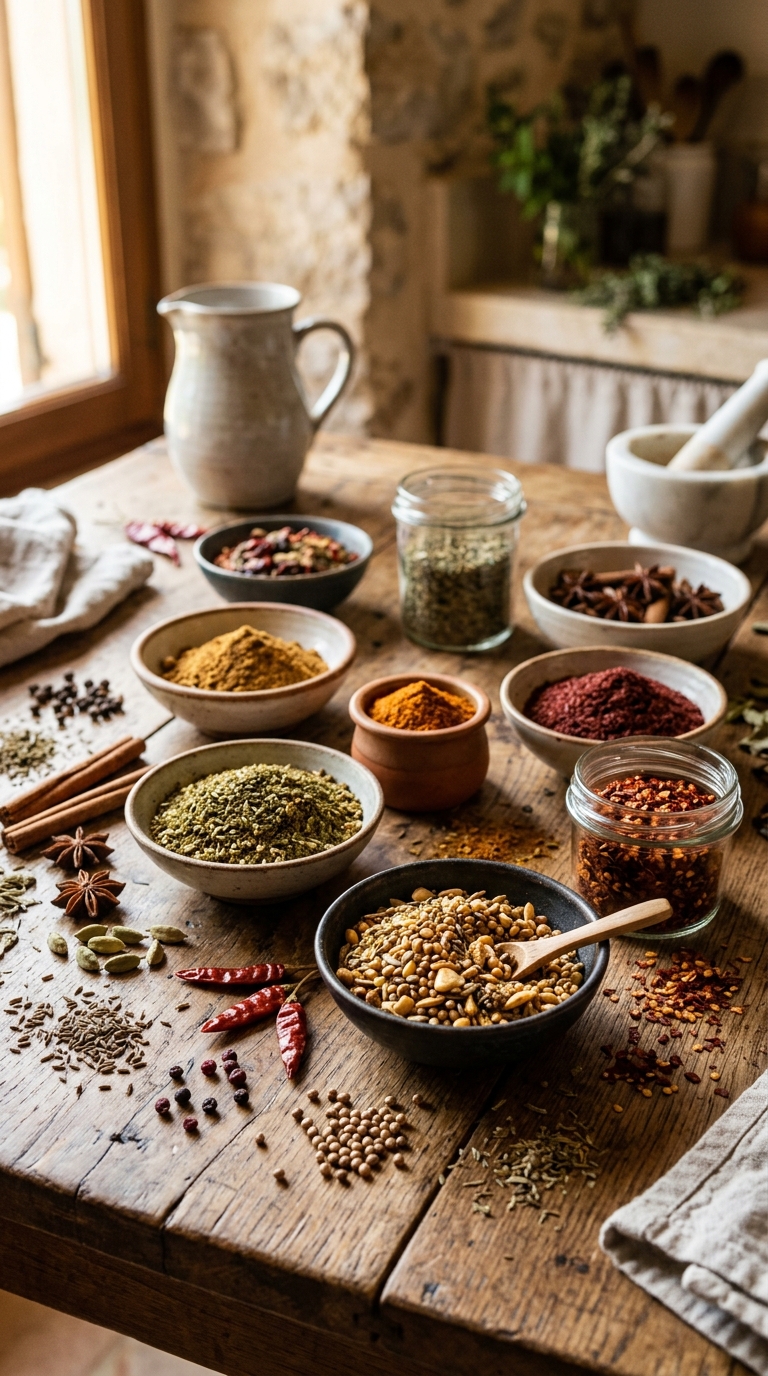
Unique Seasoning Blends From World Kitchens
Before diving in, please note: This post is for informational purposes only. If you’d like to know more about how we approach topics, feel free to check out our friendly Disclaimer Page.
Hey there, amazing readers! 🖐️ Just a quick note: yes, we know there are a lot of ads here. Trust us, we get it—it’s not the prettiest look, but they help us keep this blog alive and kicking. Those pesky little ads cover the costs of all the behind-the-scenes magic, from hosting and tech stuff to creating content we hope you’ll love.
We’re committed to delivering quality posts, and your support (even just sticking around despite the ads) means everything to us. So, bear with us, and thanks for helping us keep the good vibes rolling. Now, on to the fun stuff! 😉
TRANSLATE BUTTON AT THE END OF THE ARTICLE
Introduction
Seasoning blends from world kitchens offer a passport to flavor without a long ingredient list. They capture regional character, balance, and aroma in a few well-chosen spices and herbs. Using these blends can elevate weeknight meals, inspire new experimentation, and help home cooks achieve professional-inspired results with confidence. In this article, we explore notable blends, how to use them, and practical tips to build a pantry that celebrates global tastes while keeping meals approachable and delicious.
Key Takeaways
Global blends save time while delivering authentic flavor foundations for a wide range of dishes.
Toasting whole spices before grinding unlocks aroma and depth that pre-ground blends can’t match.
Start with a few core blends and expand gradually to discover new favorites from different regions.
Store blends in airtight containers away from light and heat to maintain potency.
Use blends as a base for proteins, vegetables, grains, and even dressings to simplify weeknight cooking.
Substitutions work well, but keep balance in mind: adjust salt, acidity, and texture when swapping blends.
Keep blends fresh by making small batches and rotating them into use within a few months.
Global Flavor Profiles and How These Blends Emerge
Unique seasoning blends arise from climate, trade routes, available ingredients, and culinary technique. They reflect a balance of heat, sour, sweet, and savory notes, often pairing earthy seeds with bright citrus or acidic elements. Understanding the core flavor notes of a blend helps you decide where it shines in a dish.
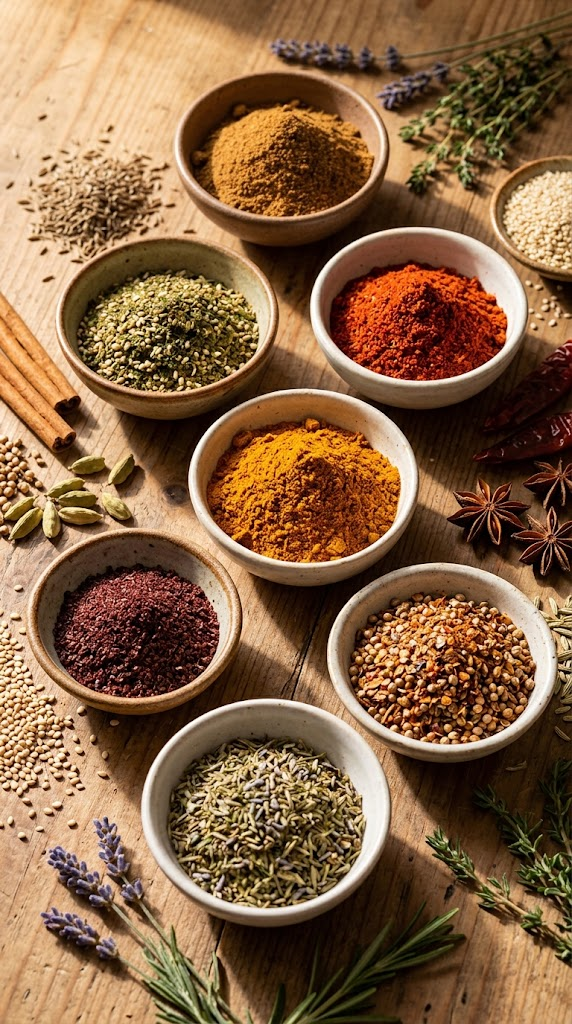
Garam Masala (South Asia)
A warm, aromatic blend typically featuring coriander, cumin, cardamom, cinnamon, cloves, and black pepper. It’s generally added toward the end of cooking to preserve its aroma and is excellent with lentils, vegetables, and meats.
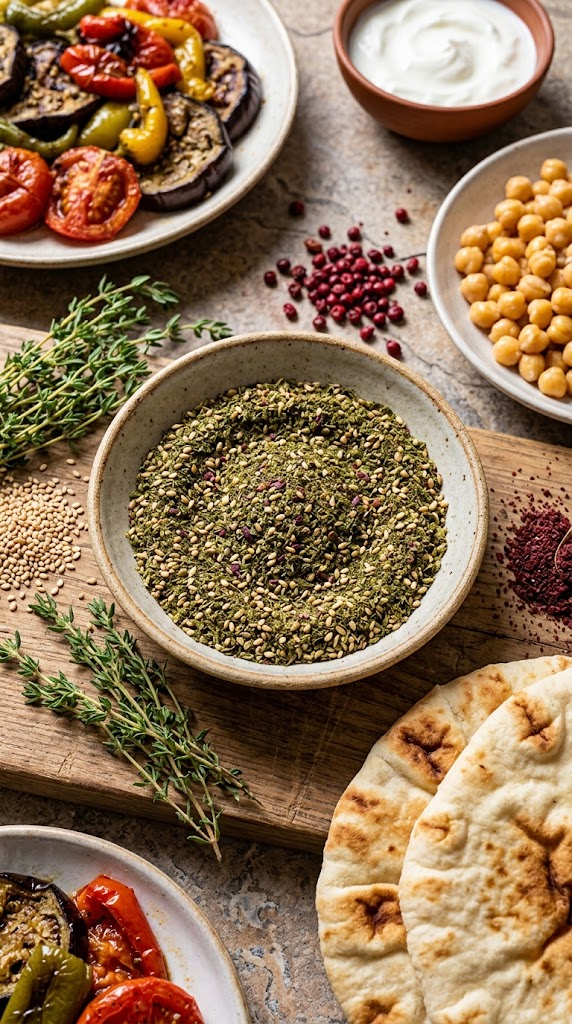
Za’atar (Middle East)
A tangy, herby blend defined by thyme or oregano, sesame seeds, sumac, and salt. It brightens flatbreads, roasted vegetables, and yogurt-based sauces.
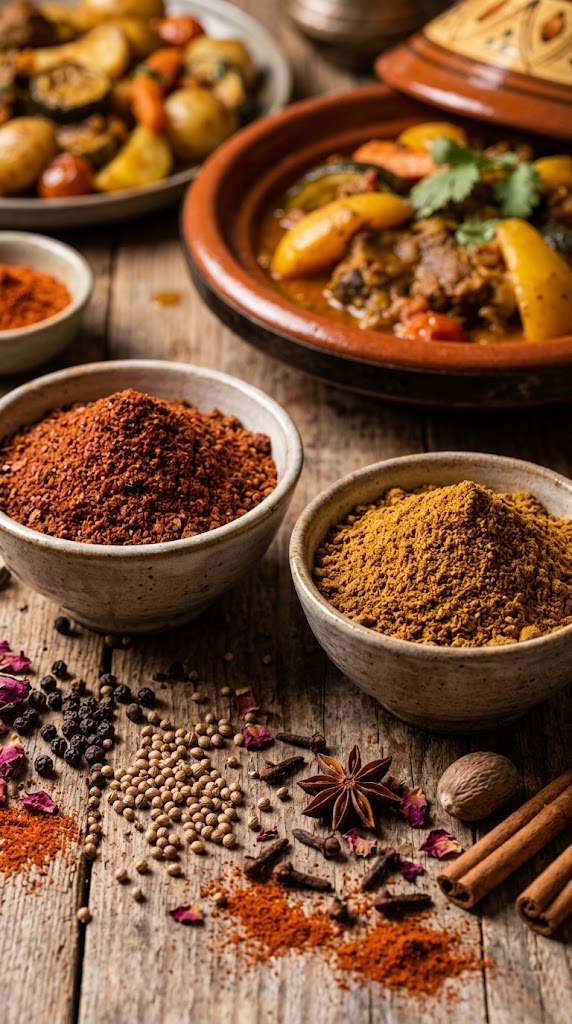
Baharat and Ras el Hanout (North Africa)
Baharat blends are peppery and smoky, often including black pepper, coriander, paprika, and cloves. Ras el Hanout is a more complex mix with warm spices like cinnamon, nutmeg, and sometimes rose petals; it pairs with tagines, chickpeas, and savory pastries.
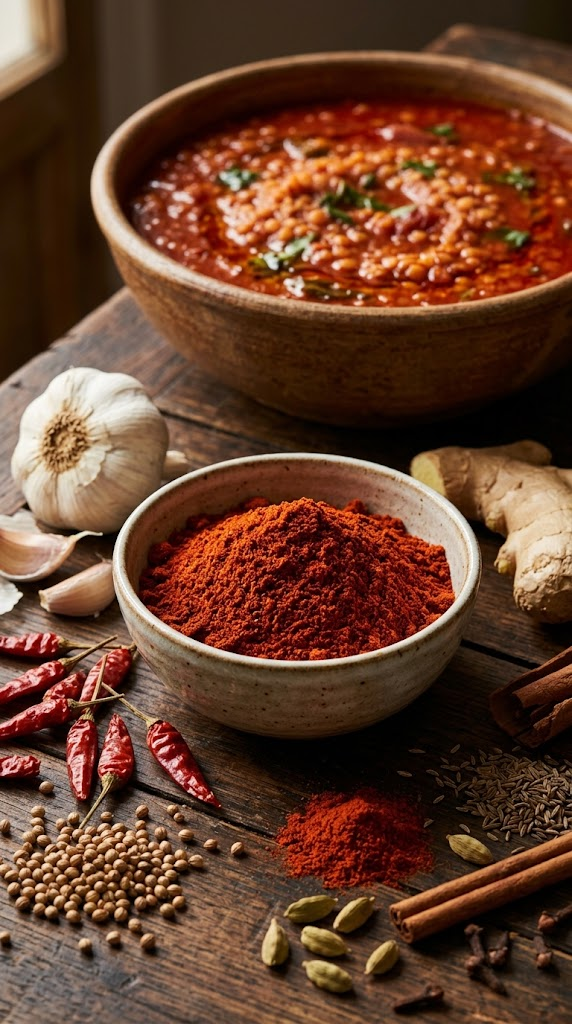
Berbere (Ethiopia)
A bold, spicy blend with chili peppers, garlic, ginger, and a mix of warm and earthy spices. It’s a backbone for stews, lentils, and meat dishes.
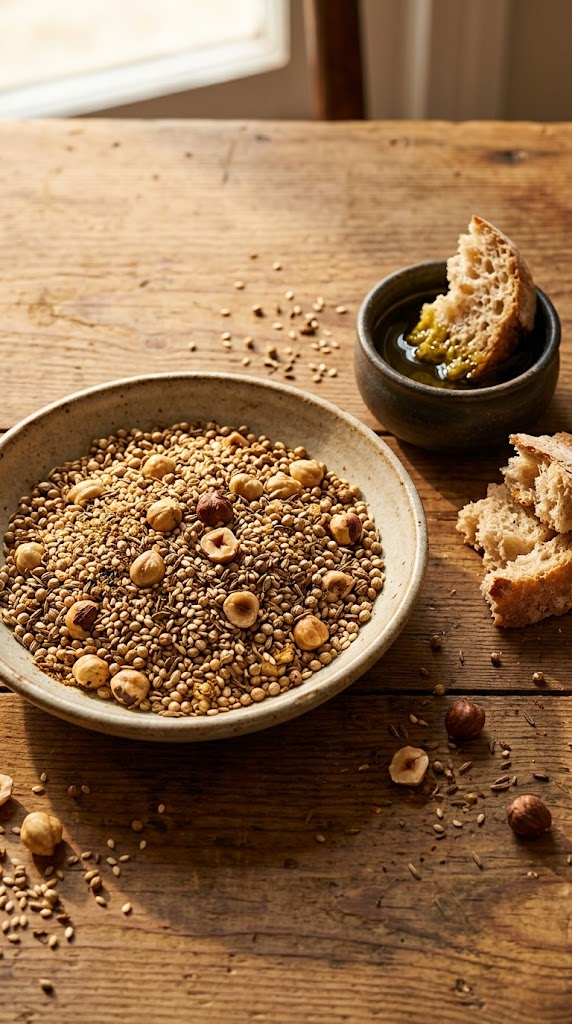
Dukkah (Egypt)
A crunchy mix of toasted nuts, seeds, and spices that adds texture and a nutty, toasty note when used as a crust or finishing dust.
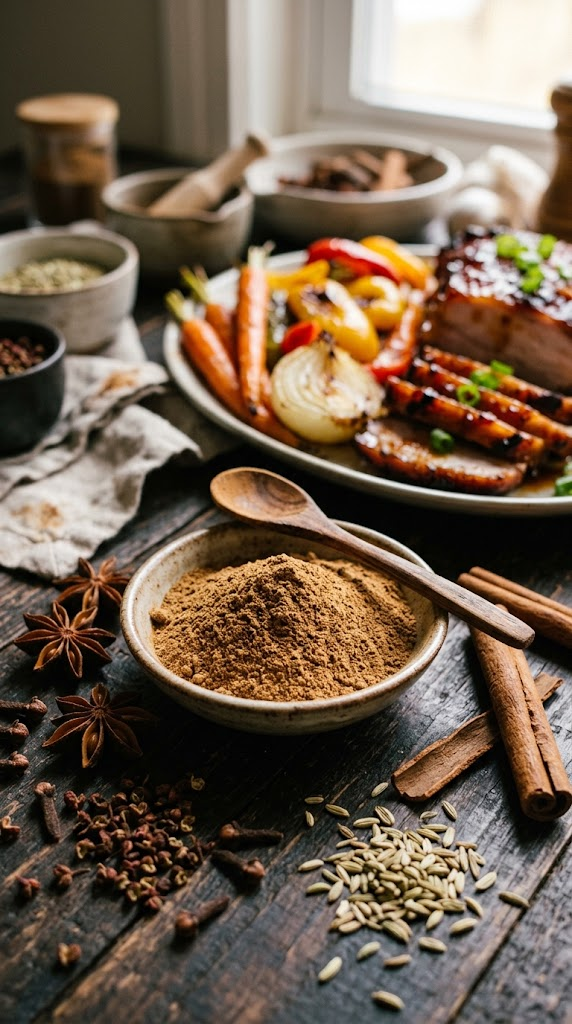
Chinese Five-Spice Powder (China)
A balanced blend of star anise, cloves, cinnamon, Sichuan peppercorns, and fennel seeds. It’s versatile for meats, vegetables, and even roasted nuts.
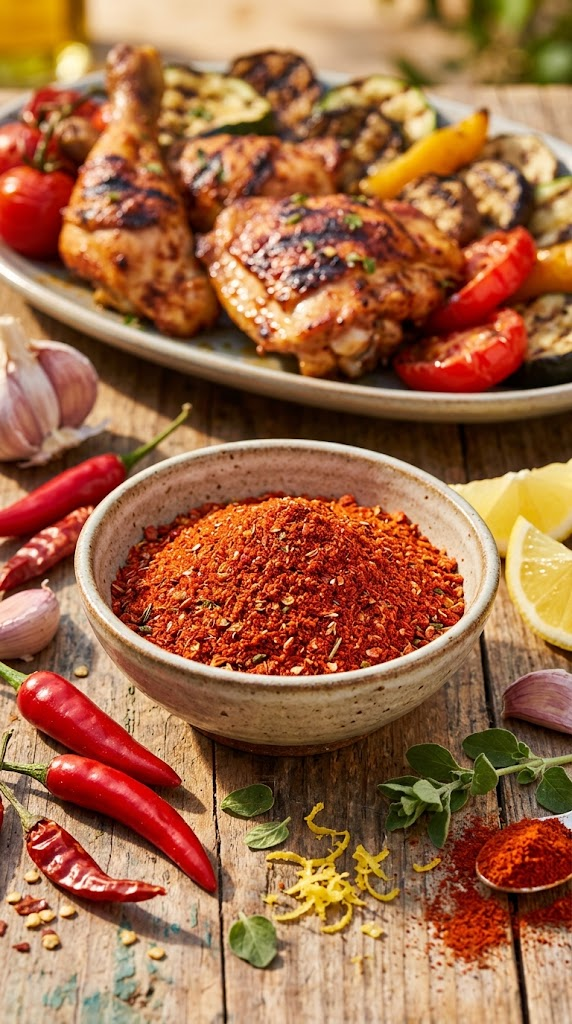
Piri Piri (Portugal and Angola)
A pepper-forward blend with chili heat, oregano, garlic, lemon zest, and paprika. It’s excellent for marinades and grilling.
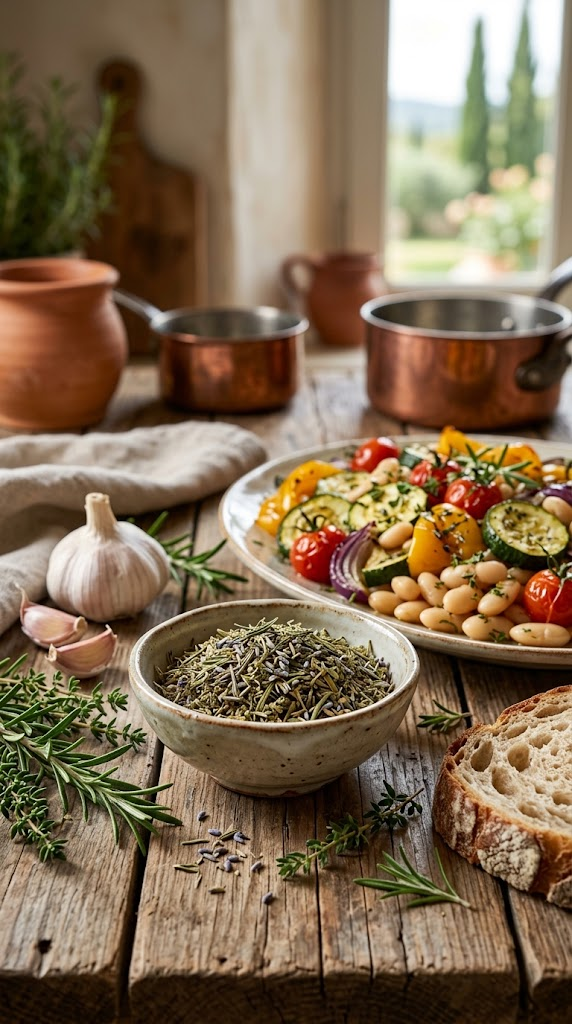
Herbes de Provence (France)
A fragrant mix of thyme, rosemary, savory, marjoram, and sometimes lavender. It’s ideal with poultry, vegetables, and beans.
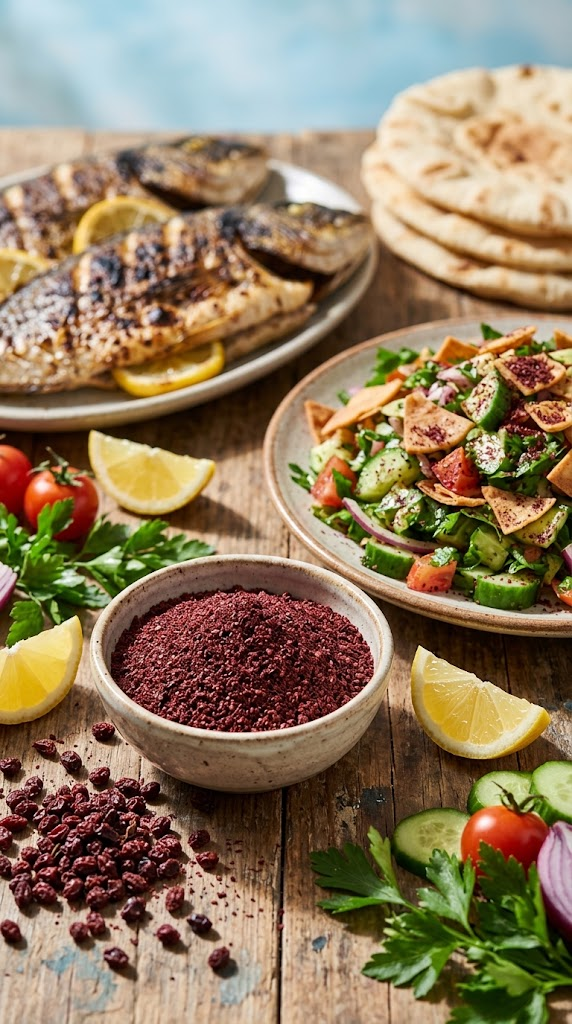
Sumac (Levant and surrounding regions)
A bright, lemony-acidic spice ground from red berries. It brightens salads, grilled meats, and fish.
Practical Uses: How to Apply These Blends in Everyday Cooking
Start with one blend per week: pick a dish and experiment with a single spice blend to see how it changes the profile.
Balance flavors: if a blend is salty, reduce added salt; if it’s tart (like sumac), consider adding a touch of sweetness or a lemony finish to balance.
Use as a crust or rub: rub meat, fish, or vegetables with a light coating of oil and a spice blend before roasting or grilling.
Finish with a sprinkle: a light finishing dust of a blend over soups, stews, or grains adds immediacy and aroma.
Pair with the right base: garam masala shines with lentils and paneer; za’atar complements citrusy yogurt and chickpeas; berbere suits hearty stews and roasted meats.
Combine for contrast: mix a delicate herb blend with a punchy spice for a layered finish on roasted vegetables.
Make simple dressings: mix olive oil, lemon juice, and a pinch of sumac or za’atar for a fast vinaigrette.
Use as a topping, not a replacement: blends work well as a finishing note rather than a full substitute for a recipe’s base seasoning.
Buying, Storing, and Substitutions: Pantry Essentials
Buy whole or fresh whenever possible: whole spices retain aroma longer, so grinding them as needed yields brighter flavor.
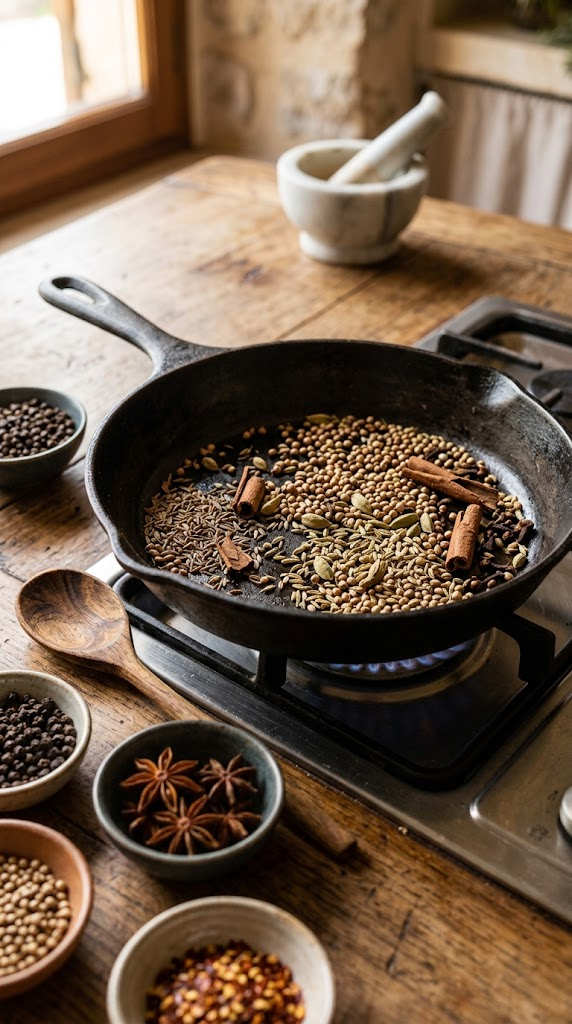
Toast spices before grinding: dry toast whole spices in a hot pan for about 1–2 minutes, then grind to release essential oils.
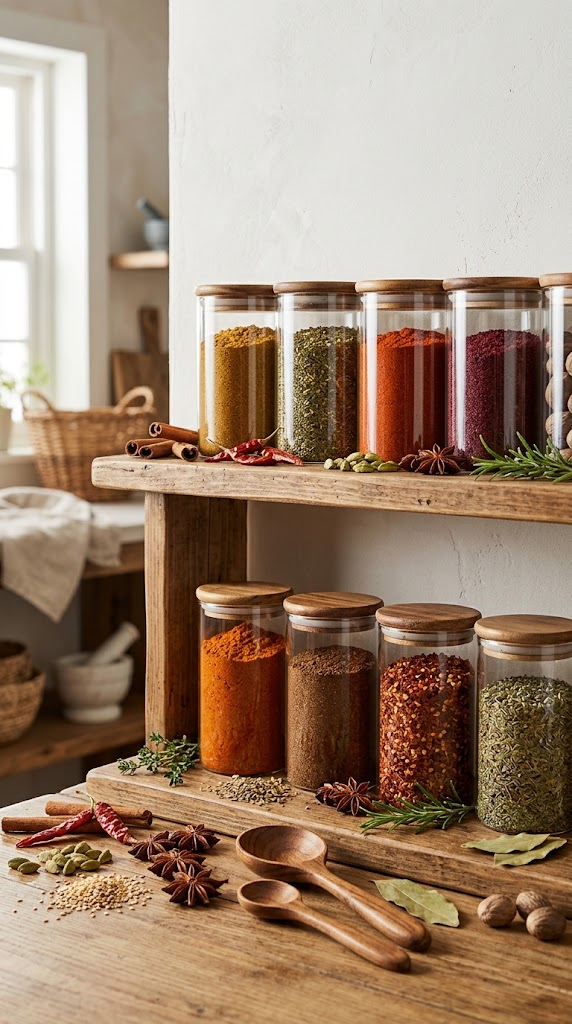
Store properly: airtight jars, away from sunlight and heat, extend freshness.
Label with the blend name and best-by date.
Batch small: make or buy in quantities that will be used within 3–6 months to keep the flavor vibrant.
Substitutions with care: when swapping a regional blend, consider the dominant notes (heat, acidity, herbal freshness) and adjust salt, acidity, and sweetness accordingly.
Salt-inclusive blends: many blends contain salt.
If using a salt-heavy blend, reduce table salt to maintain balance.
Freshness cues: if an aroma is faint or the blend looks pale, it may be past its prime and should be replaced.
Step-by-step Guides: Quick Techniques for Using Global Seasoning Blends
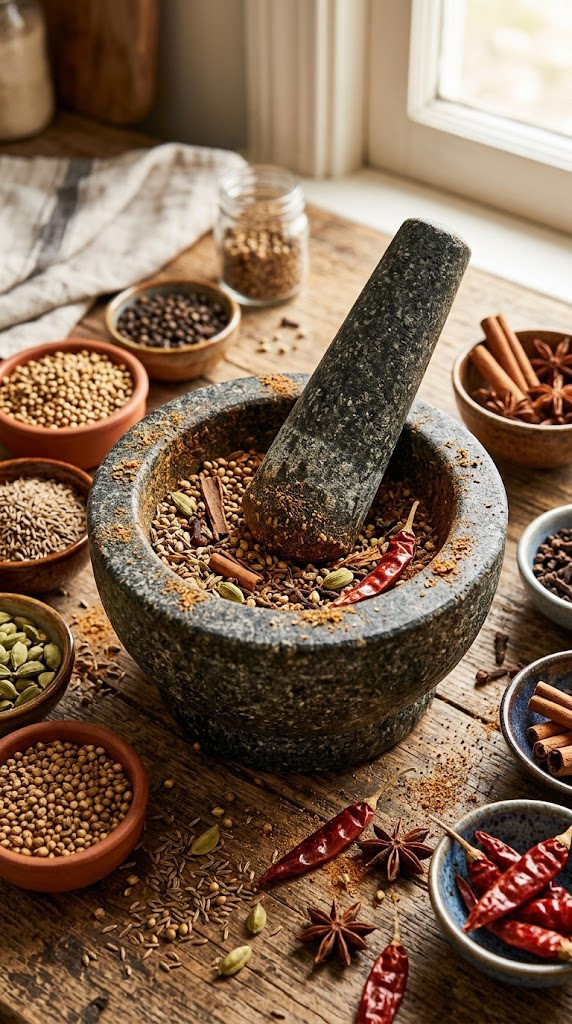
Toast-and-grind technique
Heat a dry skillet over medium; add whole seeds or spices from the blend.
Toast 1–2 minutes until fragrant, shaking the pan to prevent burning.
Grind to a powder and use immediately in your dish.
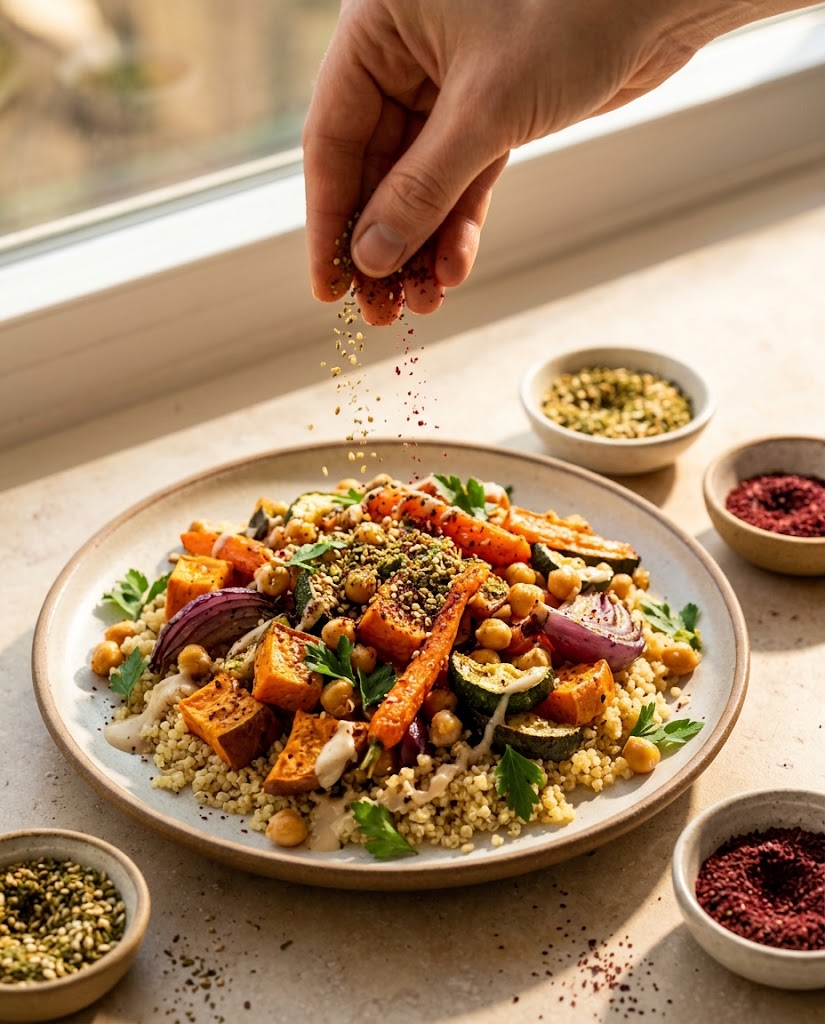
Finish-with-a-dust technique
Cook your dish to near completion.
Lightly sprinkle the blend over the top and stir once or twice to distribute aroma.
Remove from heat and serve to preserve the aroma.
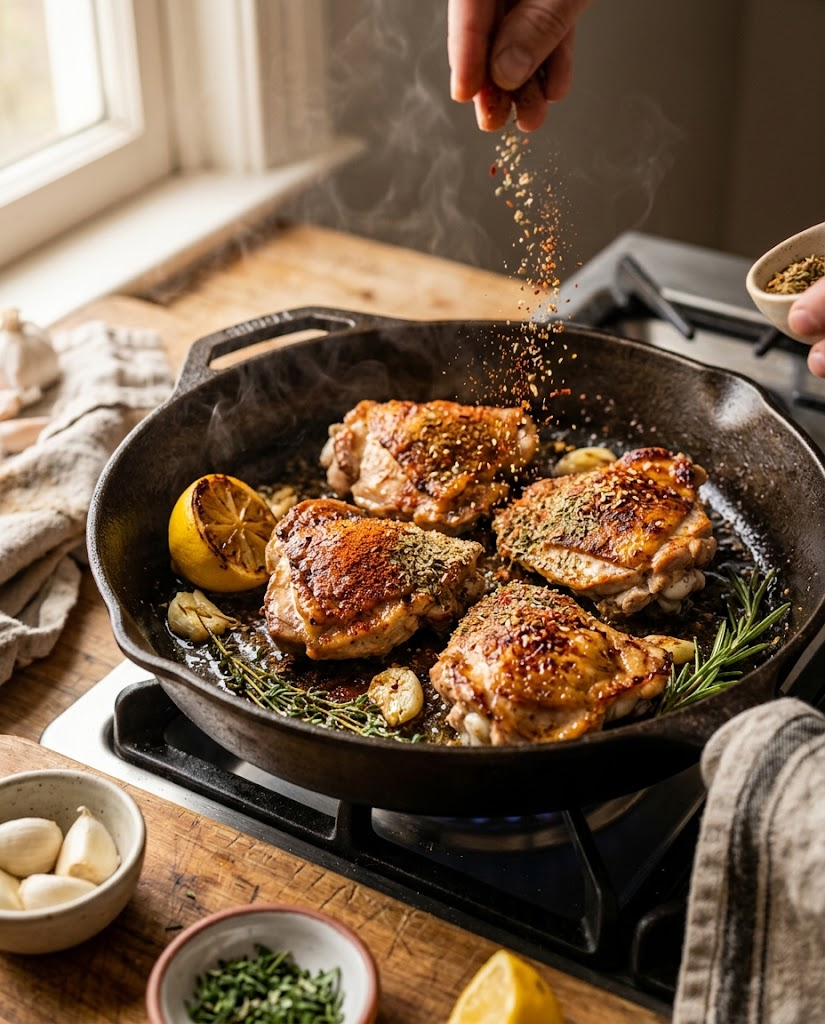
Pan-sear-and-glaze technique
Sear proteins in a hot pan with a little oil.
Brush or sprinkle the blend during the last minute of cooking to create a glaze and intensify flavor.
Regional Spotlight: North Africa, Middle East, and Beyond
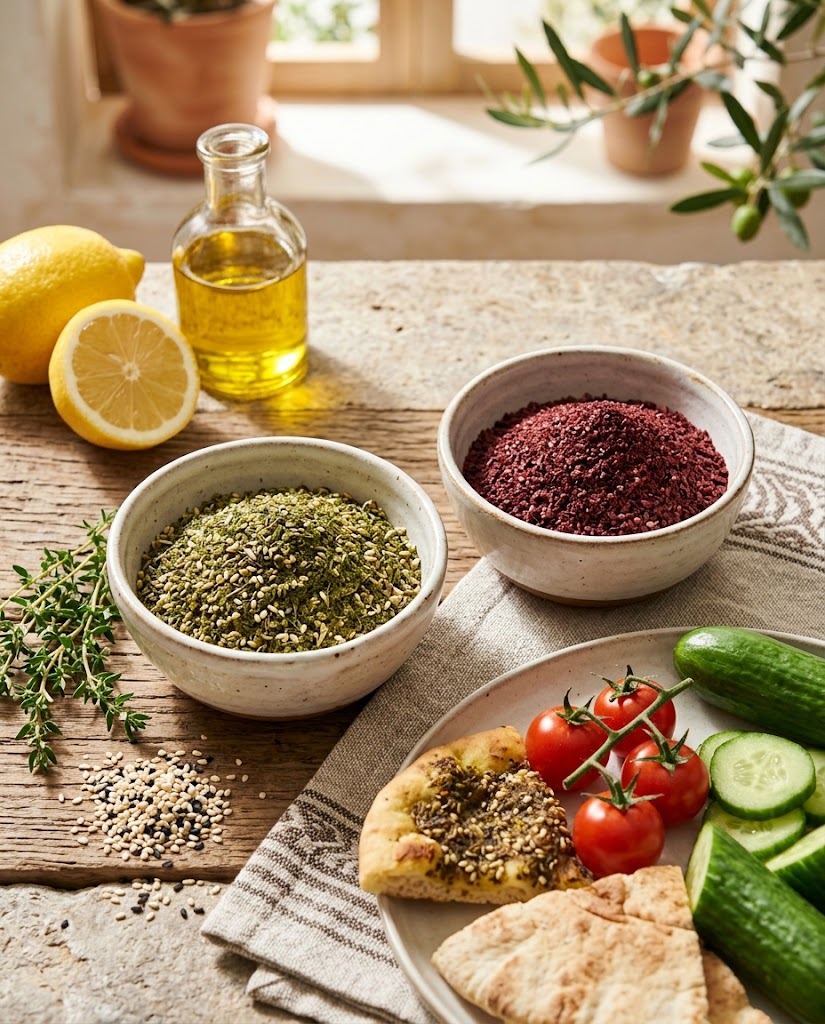
Za’atar versus sumac
Za’atar is herbal and nutty due to sesame seeds; sumac adds a bright acidity. They complement different dishes and can even be used together for a balanced plate.
Ras el Hanout versus Baharat
Ras el Hanout is often more complex with floral or resinous notes, while Baharat tends to be bolder and simpler. Use Ras el Hanout for tagines and roasted vegetables; Baharat for meat rubs and stews.
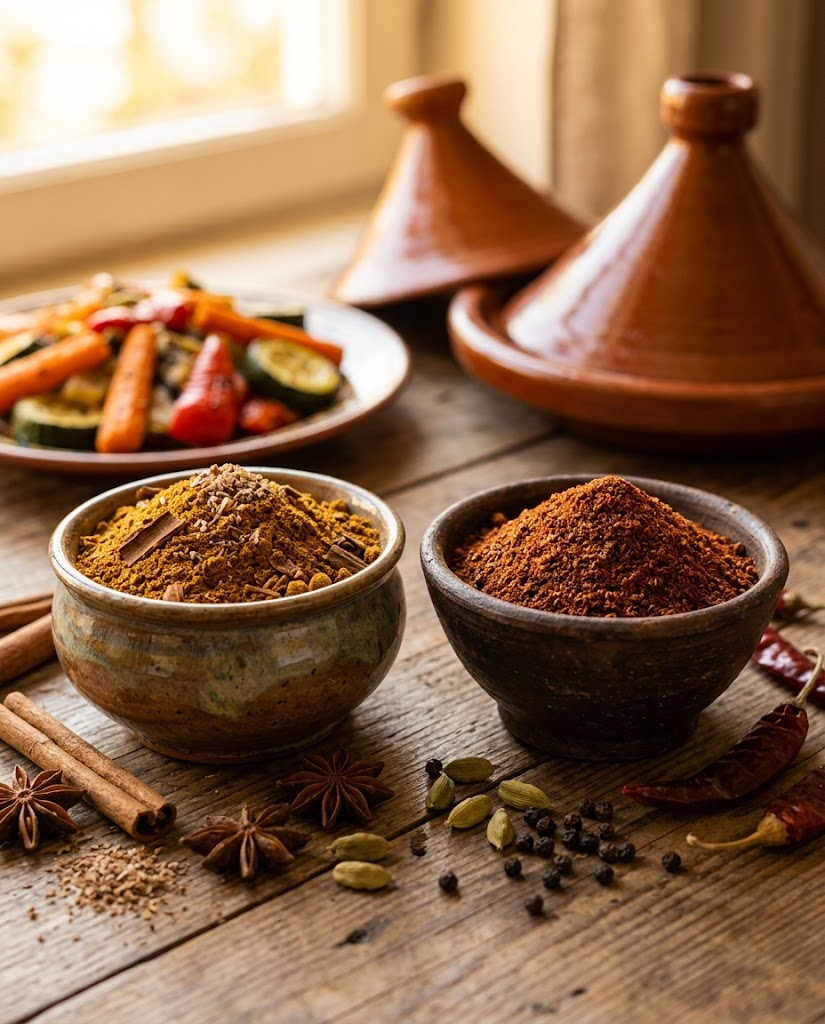
Ethiopian berbere and North African blends
Berbere brings warmth and heat with a peppery kick, ideal for lentil dishes and stews. North African blends balance cumin, coriander, and paprika with warm, comforting notes for roasted vegetables and couscous.
Piri Piri versatility
A bright, spicy heat that works well as a marinade or finishing kick on grilled chicken, shrimp, and vegetables.
Benefits of the Topic
Convenience without compromising flavor: blends condense regional flavors into a single jar.
Consistent results: a proven balance of spices helps achieve reliable outcomes in recipes.
Creative inspiration: exploring blends encourages experimentation and new pairings.
Cultural appreciation: using authentic blends supports traditional methods and producers.
Common Mistakes to Avoid
Overmixing with salt: some blends include salt; taste before adding extra salt.
Burning spices: high heat can burn delicate spices and aromas; toast and grind carefully.
Using too much at once: start with a teaspoon or less per portion and taste, then adjust.
Ignoring acidity: many dishes benefit from a splash of lemon, vinegar, or yogurt to balance spice.
Storing improperly: heat, light, and moisture degrade aroma quickly.
Quick Tips
Toast whole spices for depth.
Grind just before use for maximal aroma.
Label and rotate blends to keep the pantry fresh.
Pair herbs with citrus for brightness in Middle Eastern and North African dishes.
Use blends as finishing touches to preserve aromatic strength.
Step-by-Step Guide: Building a World-Spice Pantry
Start with three core blends: garam masala, za’atar, and berbere.
Add two finishing blends: sumac and Herbes de Provence.
Include one aromatic blend for meats: ras el hanout or Baharat.
Stock one heat level option: piri piri or chili-based blends.
Refresh yearly: rotate older jars out and replace them with fresh batches.
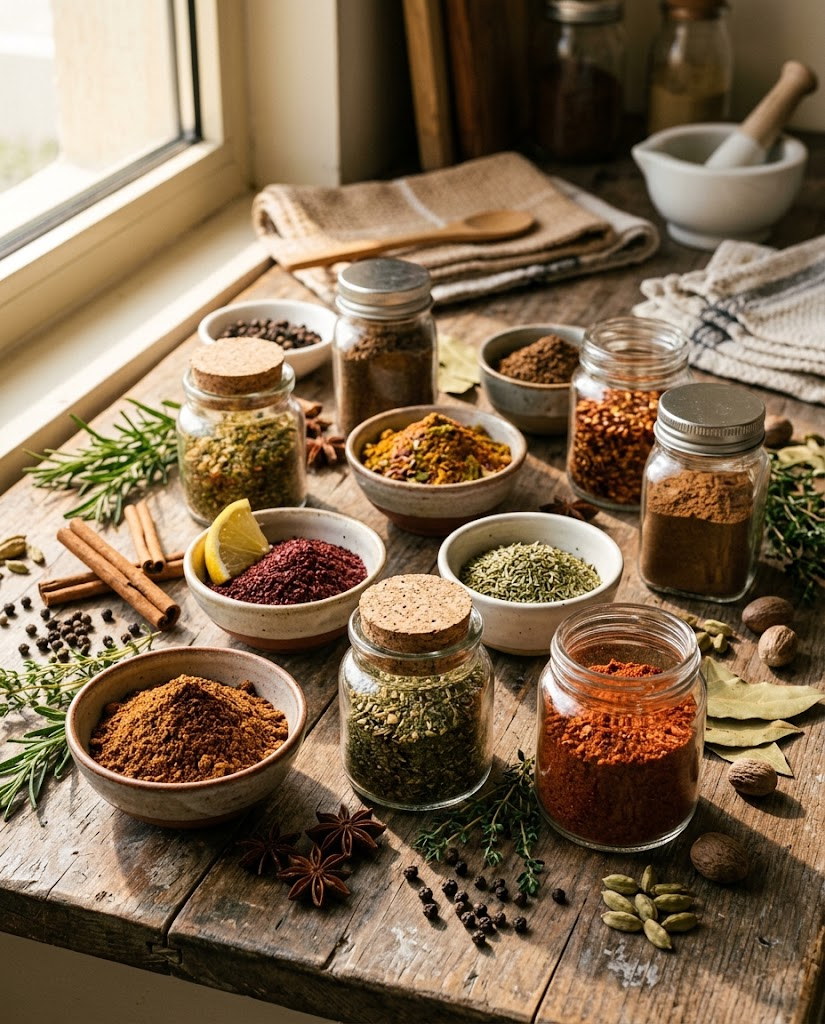
Practical Examples: How to Use These Blends in Real Dishes
Garam masala with chickpeas and spinach: simmer chickpeas with onions, tomatoes, and garam masala; finish with a squeeze of lemon and fresh greens.
Za’atar on roasted cauliflower: toss florets with olive oil, salt, and za’atar; roast until caramelized.
Ras el Hanout beef tagine: sear beef, add onions and tomatoes, simmer with ras el hanout and broth until tender; finish with fresh herbs.
Berbere lentil stew: cook lentils with onion, garlic, ginger, berbere, and stock for a hearty, warming dish.
Sumac-dressed salads: sprinkle sumac over cucumbers, tomatoes, and red onion with olive oil and salt.
Piri Piri grilled chicken: marinate chicken in piri piri, lemon juice, and garlic; grill until charred and juicy.
Frequently Asked Questions
What makes a seasoning blend truly “unique”?
A truly unique blend blends regional spices and aromatics in a way that highlights a dish’s origin while remaining adaptable to different cuisines.
It should be balanced, with a clear aroma that remains present as ingredients cook.
How should I start exploring world seasoning blends?
Begin with a few versatile blends.
Keep whole spices on hand for occasional toasting, then gradually add more regional blends to discover what pairs best with your proteins and vegetables.
Can these blends replace a recipe’s base seasoning?
They can, but it’s often best to use them as a primary flavor base with adjustments.
Start with a small amount, taste, and then adjust salt, acidity, and sweetness as needed.
What’s the best way to store blends for maximum freshness?
Store in airtight jars away from light and heat.
Keep them in a cool, dry place and label with the purchase date to track freshness.
Do I need to toast everything I use from blends?
Toasting whole spices or seeds before grinding enhances aroma.
If using pre-ground blends, a quick warm toasting in a dry pan can still help with aroma.
Are these blends suitable for vegetarian or vegan dishes?
Yes.
Many blends are plant-based and pair well with vegetables, legumes, grains, and dairy-free sauces.
Double-check any blends that may include animal-based ingredients (rare for spices, but possible if blends contain certain additives).
How can I adjust a blend for someone sensitive to heat?
Reduce the amount of hot peppers or chili in the blend and balance with herbs, citrus, and a touch of honey or yogurt to mellow heat.
What are the most versatile regional blends to have on hand?
Garam Masala, Za’atar, Berbere, Ras el Hanout, and Chinese Five-Spice are highly adaptable and work across meats, grains, vegetables, and sauces.
Can I mix two blends together?
Yes.
Try a small batch to test the aroma and flavor balance.
For example, a touch of za’atar with sumac can brighten salads, while garam masala paired with cumin enhances roasted vegetables.
What are common substitutions if I don’t have a specific blend?
For garam masala, use equal parts cumin and coriander with cinnamon and cloves.
For za’atar, mix dried thyme or oregano, sesame seeds, and a dash of sumac.
Adjust salt as needed.
Are there blends that pair well with dairy products?
Za’atar, sumac, and Herbes de Provence pair nicely with yogurt-based sauces, feta, and labneh.
They can also finish marinades for grilled vegetables, offering brightness and depth.
Conclusion
Unique seasoning blends from world kitchens offer a practical path to flavorful, varied meals without complex steps. By understanding the core flavor notes, toasting techniques, and smart storage practices, we can build a pantry that serves both everyday cooking and occasional experimentation. The goal is to create dishes that feel intentional, balanced, and deeply satisfying, all while respecting the heritage and craft behind each blend. With a measured approach and a willingness to taste, we can enrich our cooking with authentic, globally inspired flavors.
