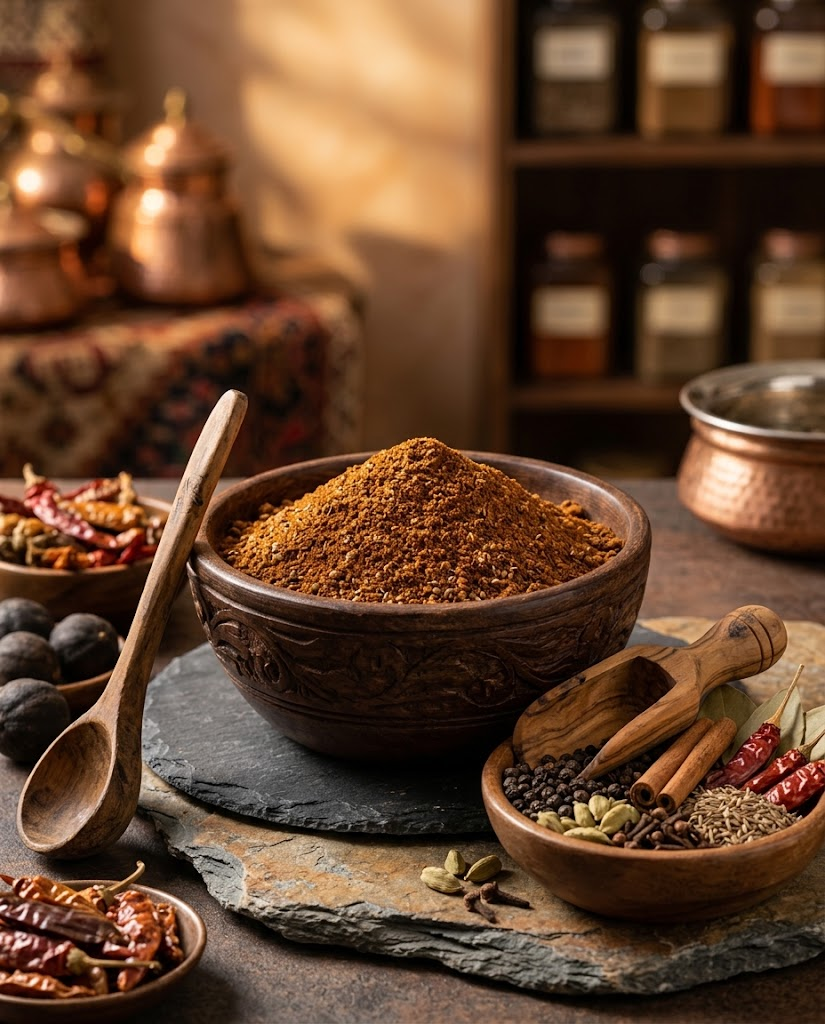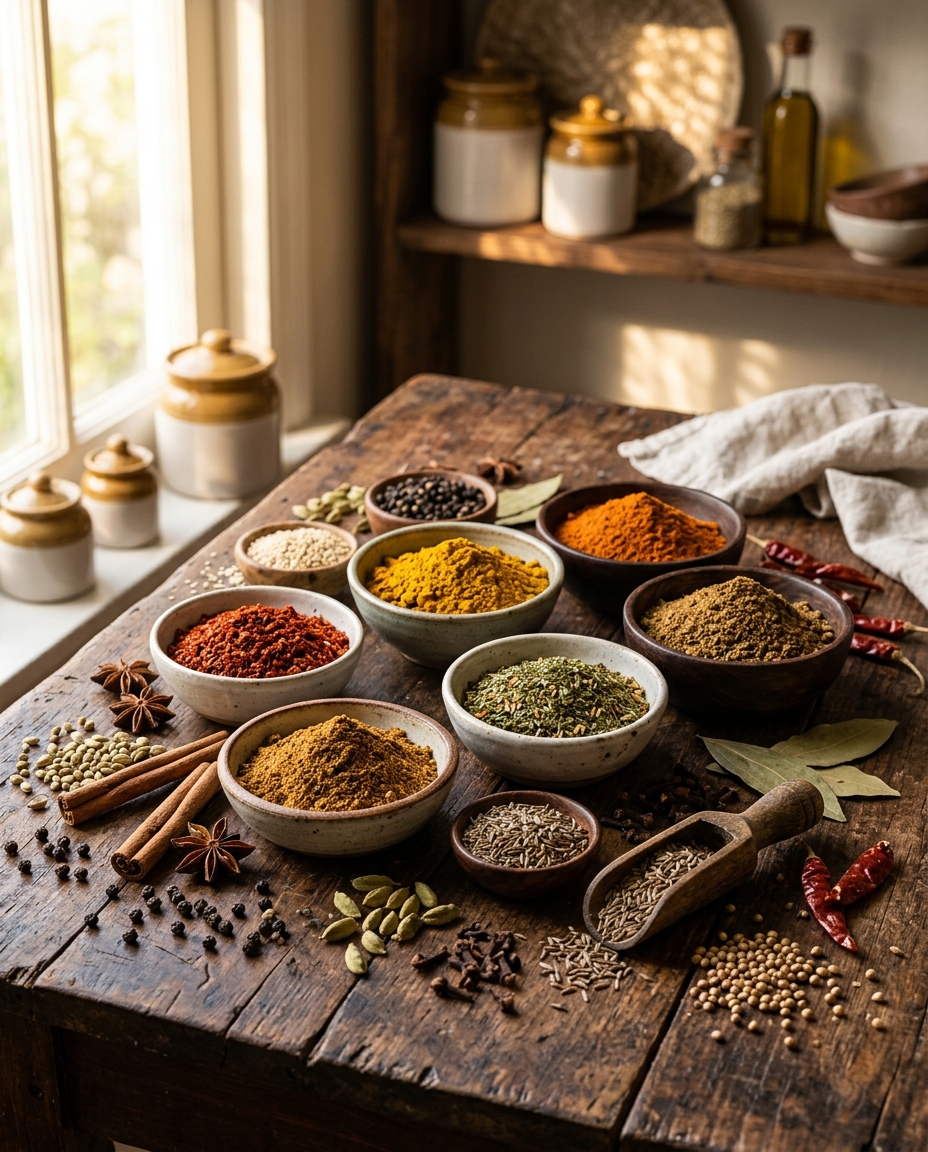
Exotic Spice Mixes From Different Cultures
Before diving in, please note: This post is for informational purposes only. If you’d like to know more about how we approach topics, feel free to check out our friendly Disclaimer Page.
Hey there, amazing readers! 🖐️ Just a quick note: yes, we know there are a lot of ads here. Trust us, we get it—it’s not the prettiest look, but they help us keep this blog alive and kicking. Those pesky little ads cover the costs of all the behind-the-scenes magic, from hosting and tech stuff to creating content we hope you’ll love.
We’re committed to delivering quality posts, and your support (even just sticking around despite the ads) means everything to us. So, bear with us, and thanks for helping us keep the good vibes rolling. Now, on to the fun stuff! 😉
TRANSLATE BUTTON AT THE END OF THE ARTICLE
Introduction
Spice blends from diverse cultures offer a fast, reliable way to infuse deeply aromatic and distinctly regional flavors into everyday cooking. Exotic spice mixes capture the culinary memory of places—from bustling markets to family kitchens—allowing home cooks to recreate authentic profiles with ease. Understanding how these blends are built, when to use them, and how to store them can elevate meals, reduce seasoning guesswork, and broaden taste horizons without turning every recipe into a long, complicated process.
Key Takeaways
Exotic spice mixes combine aromatic seeds, dried fruits, herbs, and heat to create signature flavor profiles that reflect culture and history.
Learn the core components of major blends to substitute or adjust them confidently in your cooking.
Practical tips on sourcing, storage, and freshness help you maintain potency and flavor over time.
Common mistakes when using spice blends — such as over-toasting or over-salting — are easy to avoid with simple guidelines.
A step-by-step guide shows you how to create a personal blend that fits your palate and dietary needs.
Using spice blends thoughtfully can enhance aroma and depth in proteins, vegetables, grains, and sauces.
What Defines an Exotic Spice Mix
An exotic spice mix is more than a random collection of spices. It is a balanced combination crafted to evoke a particular regional aroma, texture, and heat level. Toasting whole spices before grinding helps unlock essential oils and layers of fragrance, while grinding and blending in precise proportions ensures consistency. The best blends aim for a harmony of warming, bright, sweet, and earthy notes, with careful attention to the finish — whether it’s a lingering warmth, a sharp citrus lift, or a smoky afterglow.
A well-composed blend includes base spices (like cumin, coriander, or turmeric), aromatic boosters (garlic, onion, dried citrus), heat (chilies or pepper), and a grounding element (salt, sugar, or a dried herb).
Intensity can be adjusted by grinding ingredients finely for a smooth sauce or coarsely for a rustic rub.
The spice blend should complement rather than overwhelm the main ingredients, letting the dish shine in its own right.
Freshness matters: whole spices retain aroma longer than pre-ground powders, so grinding as needed yields brighter flavors.
Popular Cultural Blends: Key Ingredients and Uses
This section highlights representative blends from various regions. Each item lists typical ingredients and the kinds of dishes it suits.
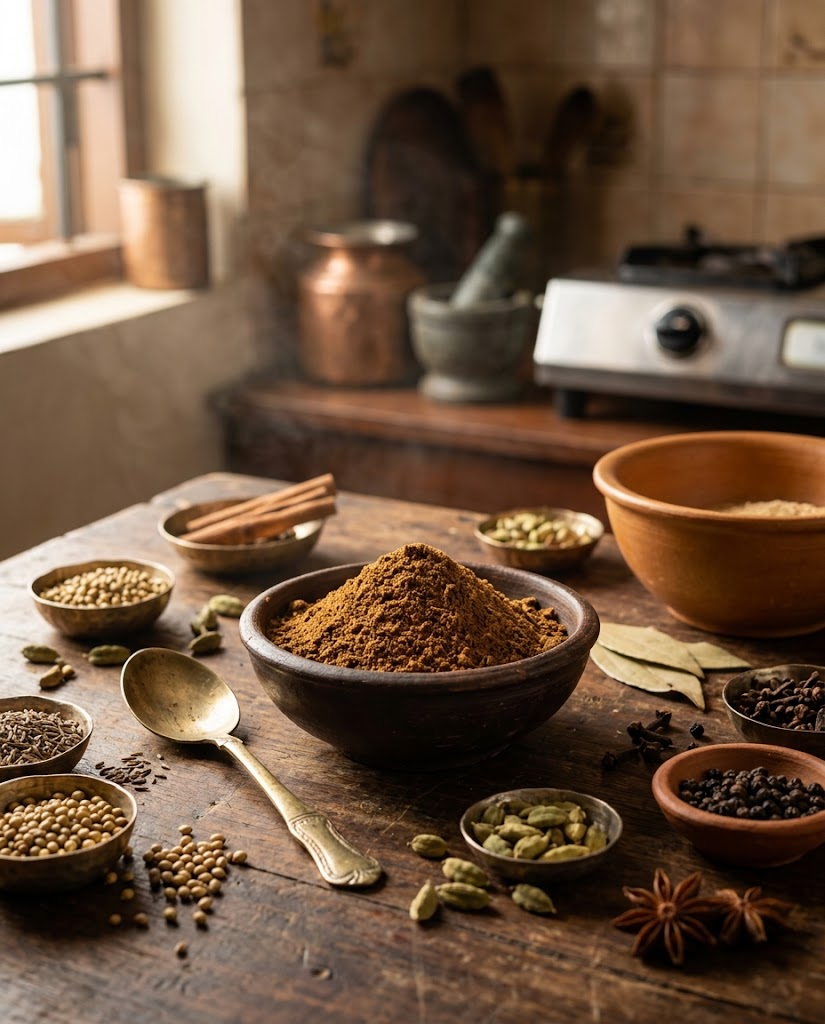
Garam Masala (India)
Common notes include cumin, coriander, cinnamon, cloves, cardamom, and black pepper. Use in curries, lentils, roasted vegetables, and spice rubs for meats. Toast whole spices gently to awaken aroma before grinding.
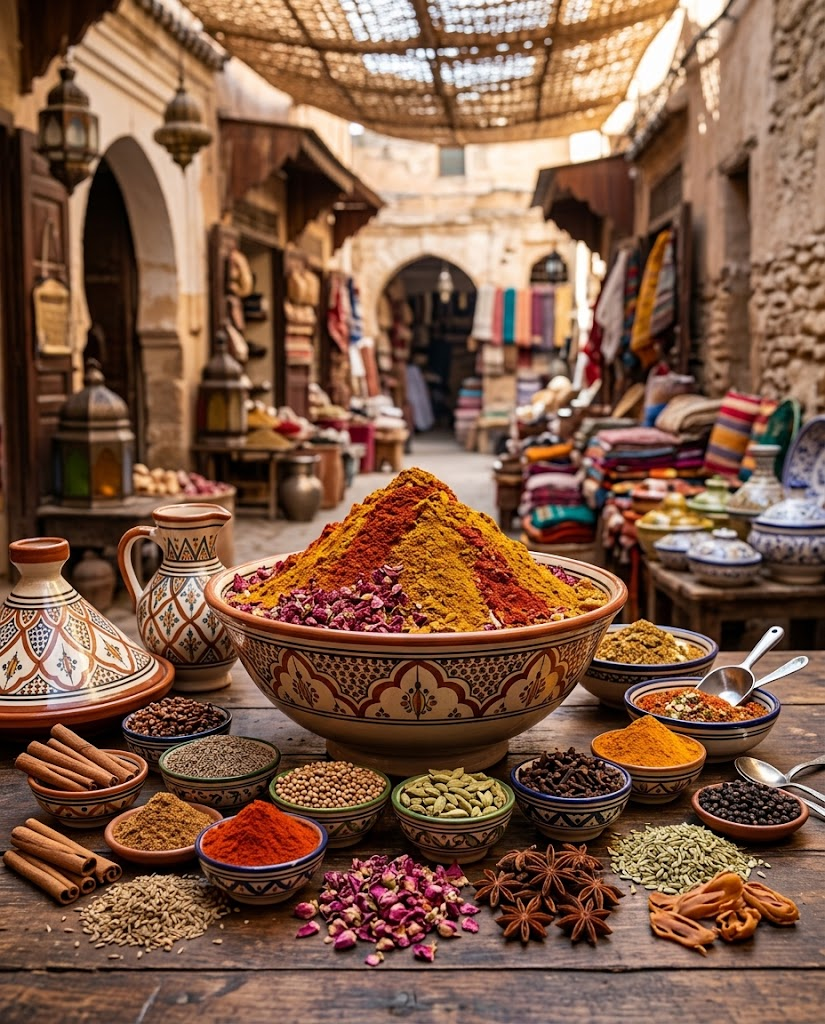
Ras el Hanout (Morocco)
A complex mix often featuring cardamom, allspice, cinnamon, clove, turmeric, cumin, and dried rose or ambergris substitute. Great in tagines, stews, couscous, and grilled meats.
Berbere (Ethiopia and Eritrea)
A bold blend with chili peppers, garlic, ginger, coriander, fenugreek, and cinnamon. It powers stews like doro wat and gives a warming kick to lentils and roasted vegetables.
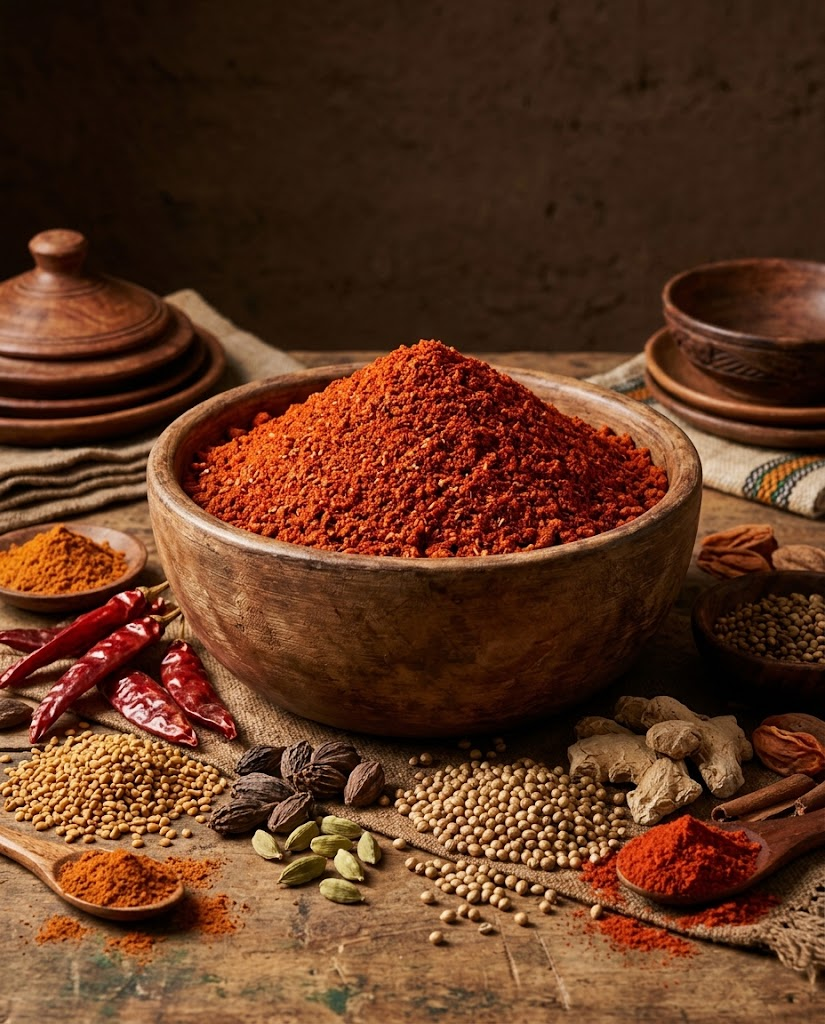
Adobo (Philippines) or Latin American Adobo-inspired mixes
Typically includes garlic, oregano, bay leaf, black pepper, and paprika. Use for braises, marinades, and meat quick-sears.
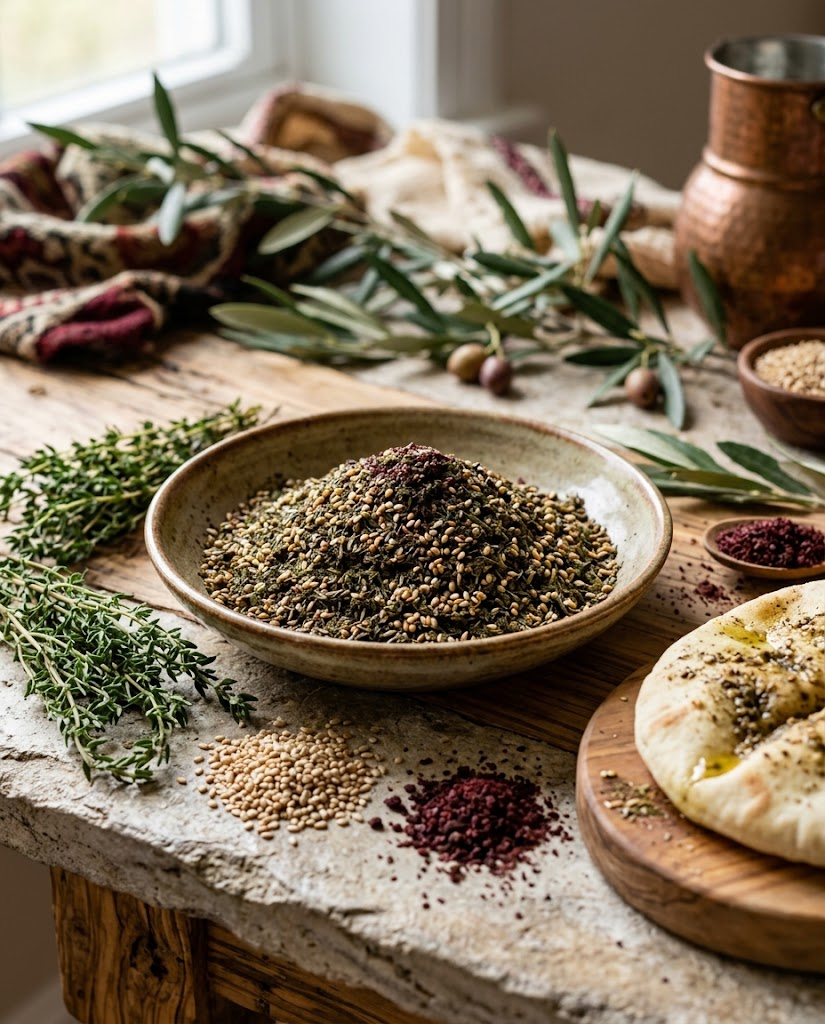
Chinese Five-Spice (China)
A balance of star anise, cloves, cinnamon, Sichuan pepper, and fennel seeds. It pairs with roasted meats, stir-fries, and glazing sauces.
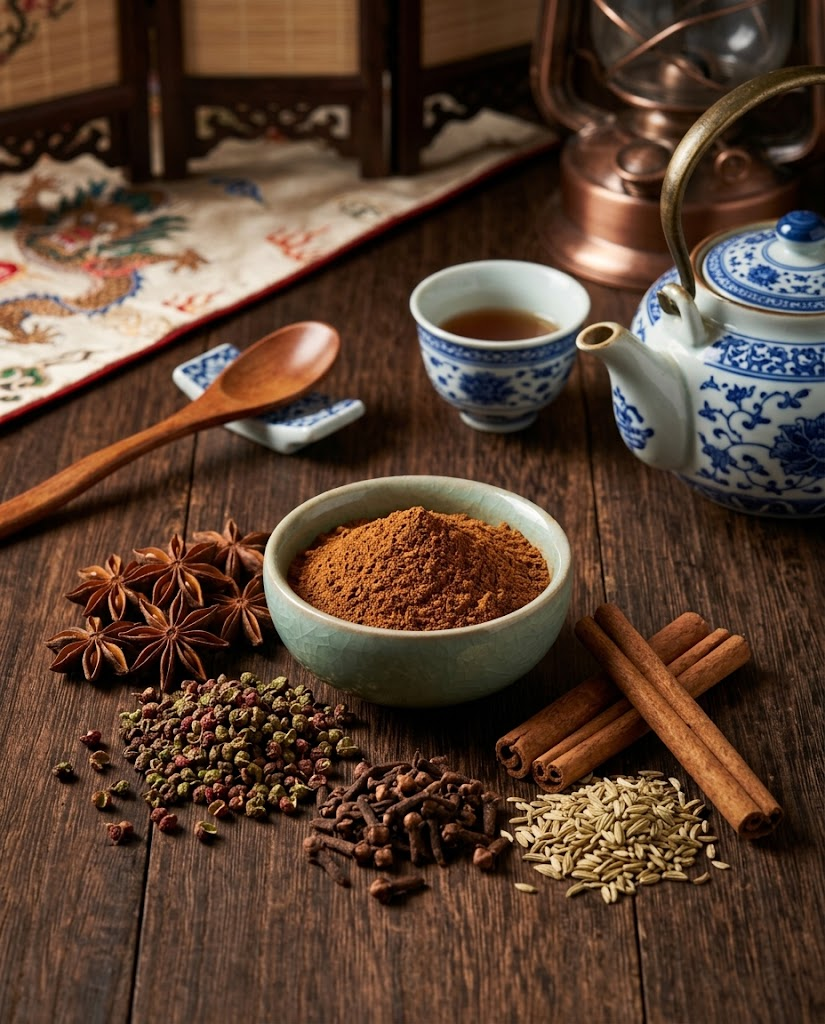
Za’atar (Middle East)
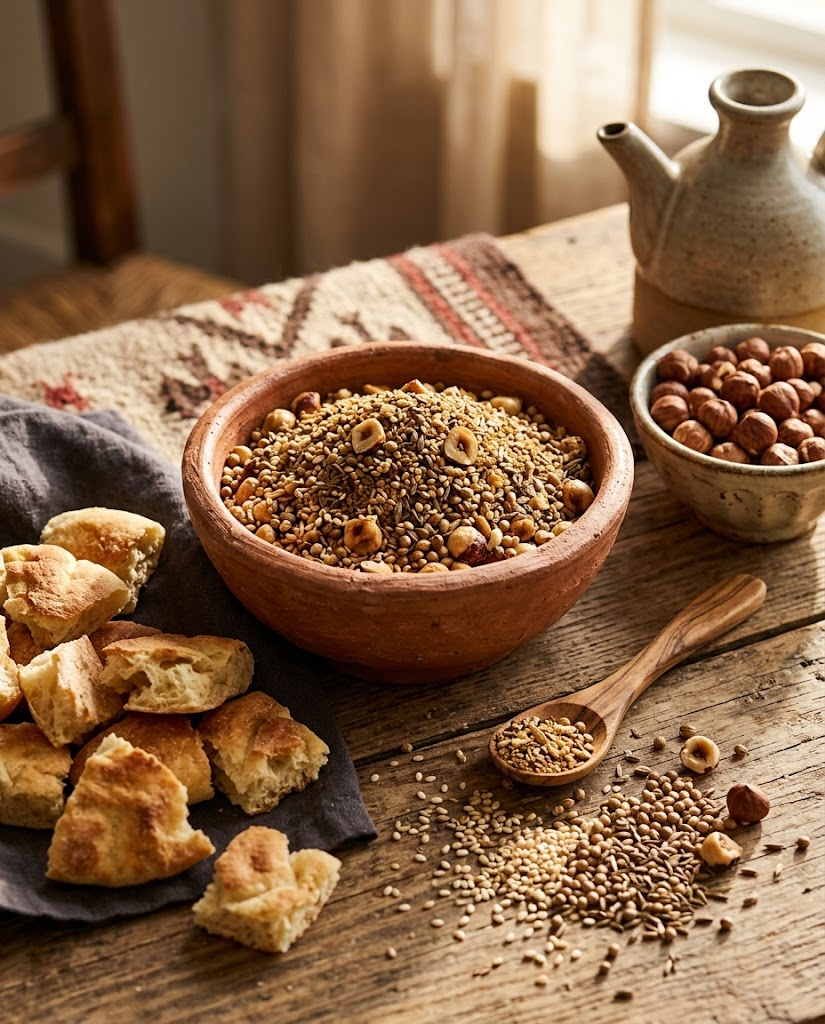
Dried thyme or oregano, sumac, sesame seeds, and salt. Sprinkle on bread, vegetables, hummus, or mix with olive oil as a dip.
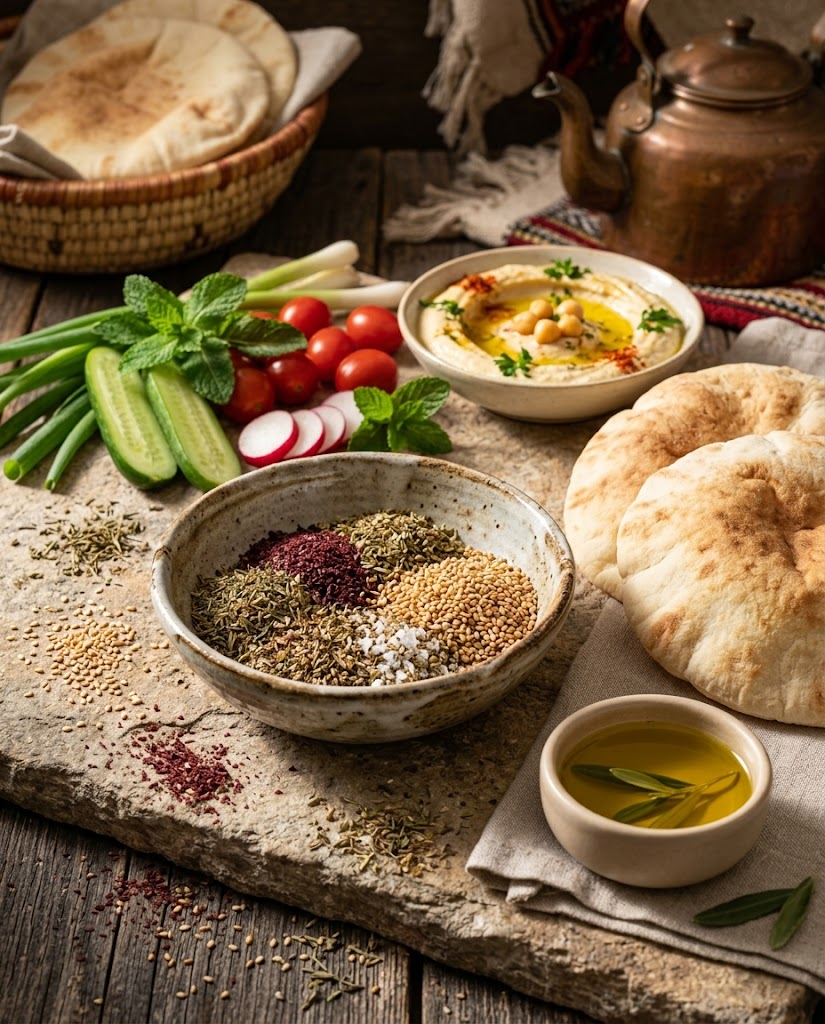
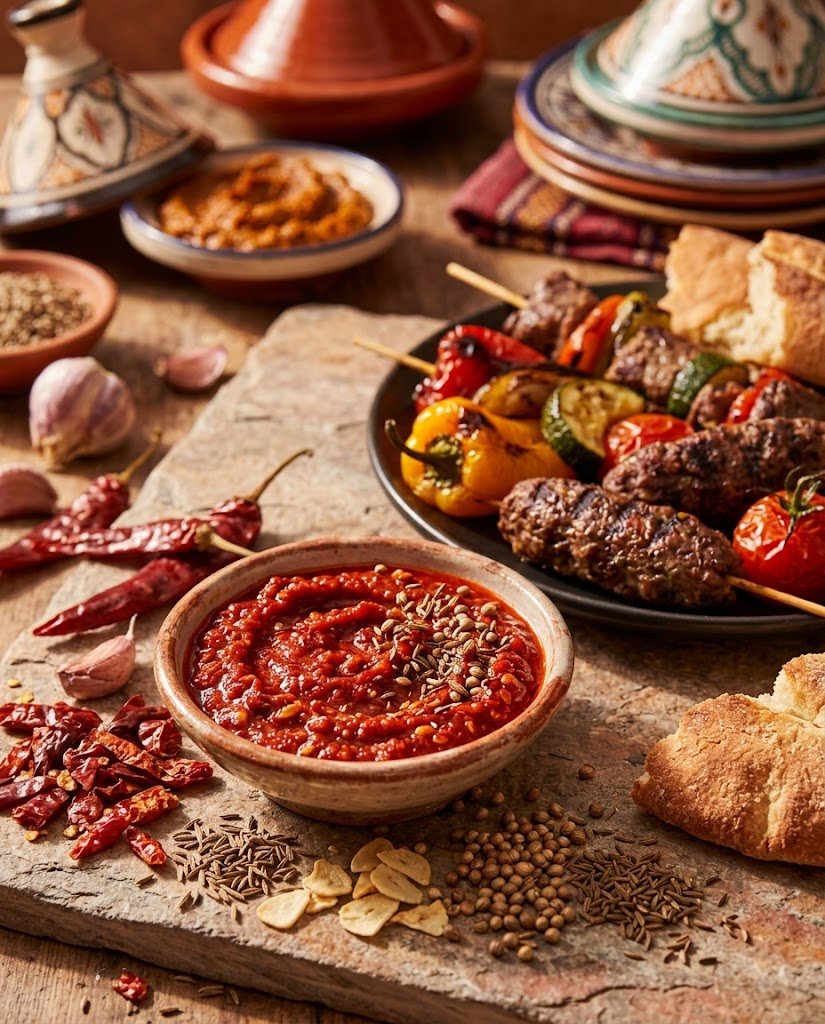
Harissa (North Africa)
A chili-forward paste blend with cumin, coriander, garlic, and sometimes caraway. Ideal as a rub or sauce base for meats, soups, and vegetables.
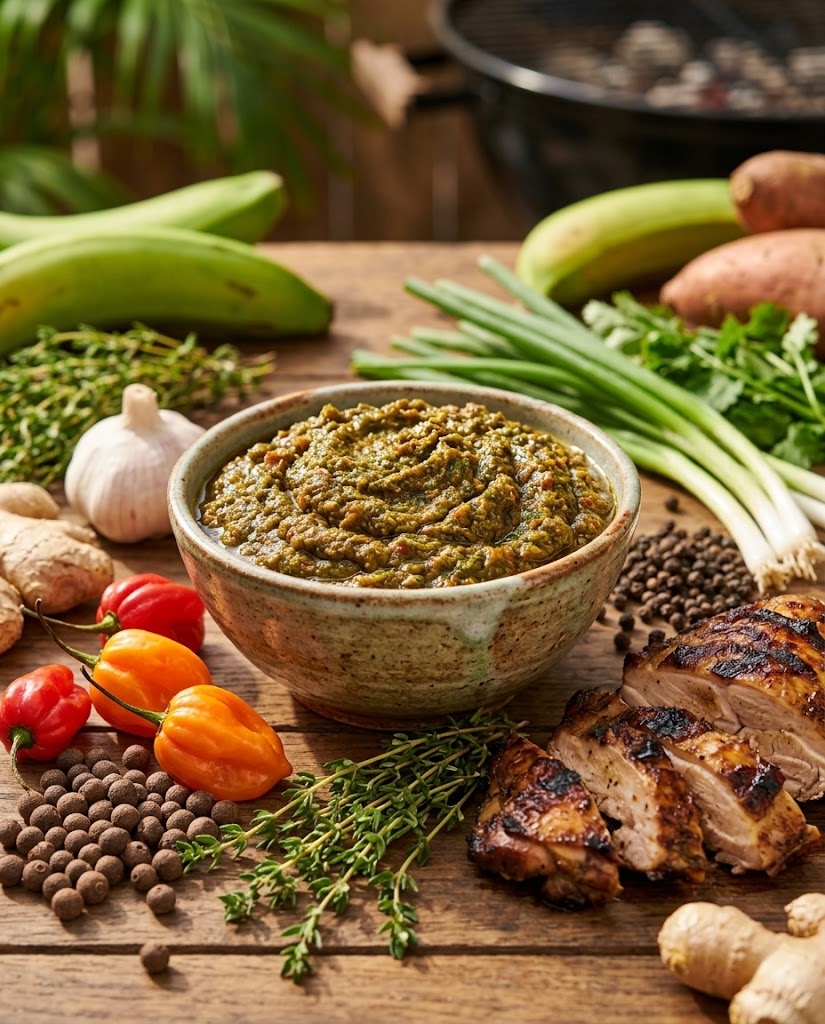
Jerk Seasoning (Caribbean)
Allspice, Scotch bonnet peppers, thyme, cinnamon, nutmeg, garlic, and onion. Excellent on chicken, pork, and grilled vegetables.
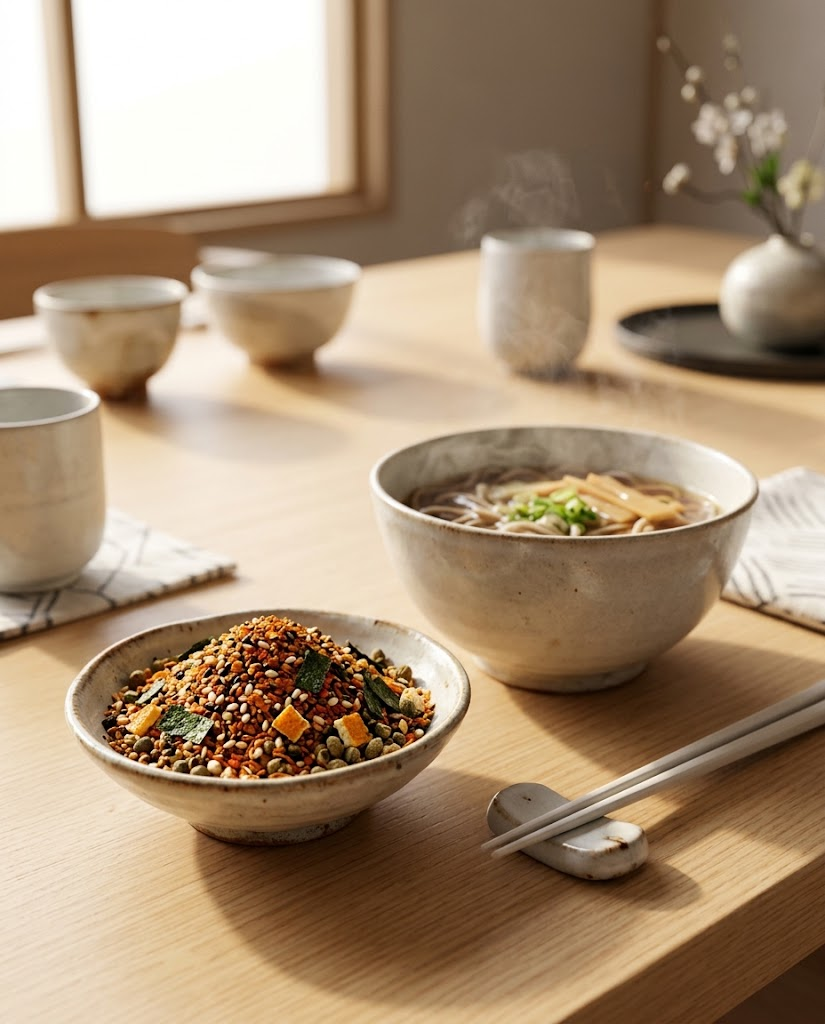
Shichimi Togaroshi (Japan)
A mix of chili pepper, sesame seeds, orange zest, nori, and other spices. Delivers a bright kick to noodles, grilled fish, and roasted vegetables.
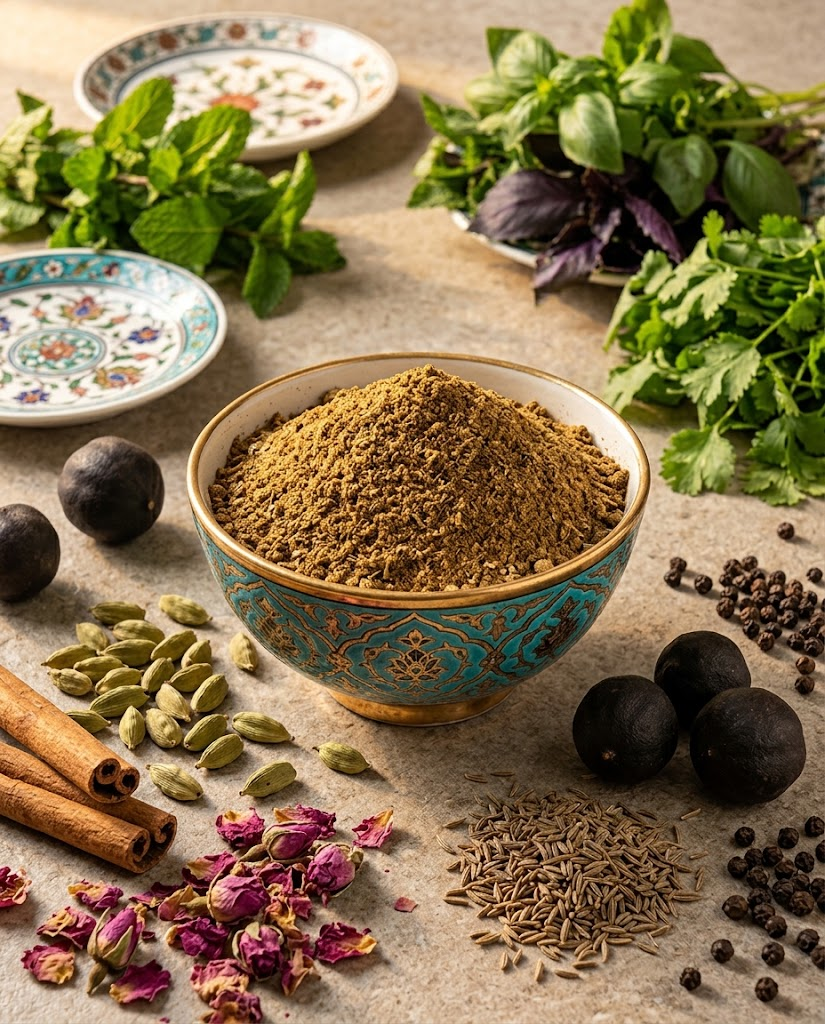
Advieh (Persia/Iran)
A fragrant blend of cinnamon, cardamom, rose petals, cumin, and cumin seeds. Elevates rice, stews, and roasted vegetables with subtle floral notes.
Peri Peri (Southern Africa/Portugal)
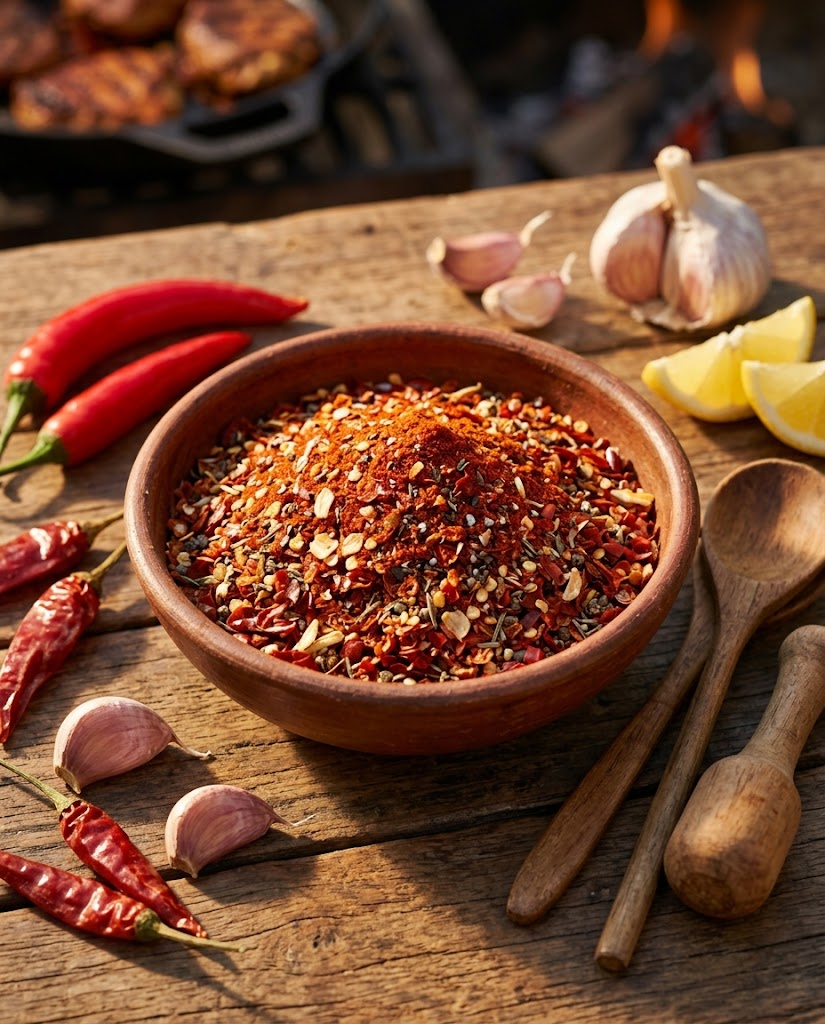
A pepper-forward mix with hot chilies, garlic, oregano, and lemon zest. Traditional with grilled chicken and seafood.
How to Use Exotic Spice Mixes
Using these blends well means matching them to the dish’s body and texture. Start with a small amount, then adjust to taste. For most blends, the aromatic oils release most effectively when heated gently in oil or ghee before adding the main ingredients. Use spice blends at different stages to maximize flavor: some blends shine when rubbed on meat before cooking, others work best when stirred into sauces or sprinkled over finished dishes.
Rubs and marinades: Apply a thin coat of the blend to proteins before roasting, grilling, or sautéing.
Cooking bases: Toast the blend briefly in oil to bloom the aroma, then add aromatics (onion, garlic) for a flavorful soffritto.
Sauces and soups: Whisk blends into stock or dairy-based sauces to create a consistent, layered flavor.
Grain and legume dishes: Mix with cooked grains or legumes to boost aroma and cohesion.
Finishing touch: A light dusting at the end can brighten a dish without overpowering it.
Sourcing, Storing, and Substituting
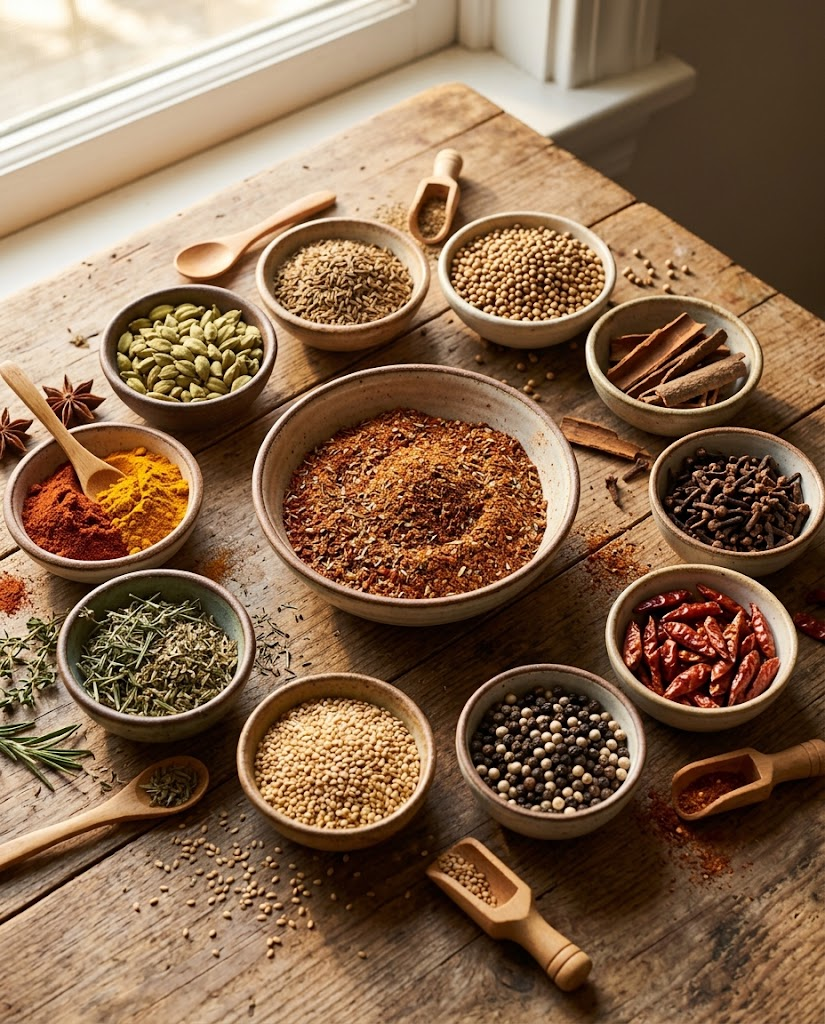
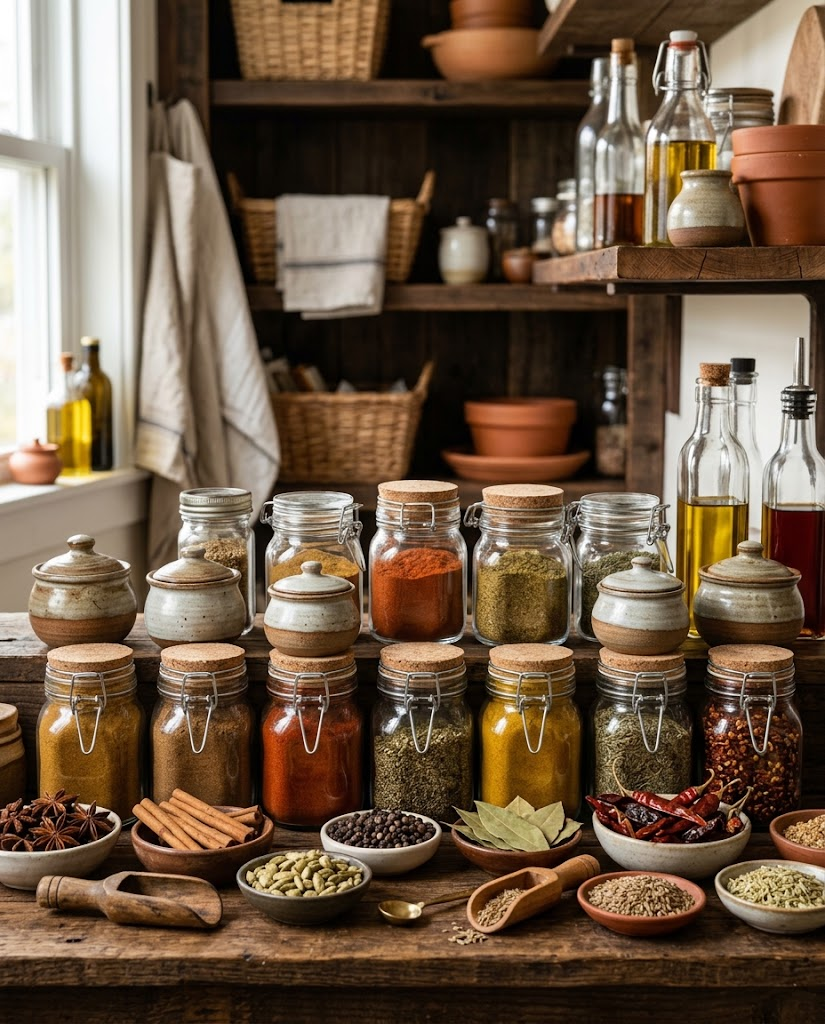
To maintain flavor and freshness, store blends in airtight containers away from heat, light, and moisture. Whole spices keep longer than ground varieties; grind as needed to maximize aroma. When a specific spice is missing, use a close substitute that preserves the blend’s balance rather than replacing it one-to-one.
Buy whole spices when possible and grind just before use.
Store blends in a cool, dark pantry or cabinet; avoid near heat like the stove.
Label blends with the date you opened them to track freshness.
If a key component is missing, swap with a similar aromatic (e.g., substitute black pepper with white pepper for a milder heat).
For long storage, consider freezing certain blends to lock in flavor (in small portions).
Make Your Own Blend: Step-by-Step Guide
Creating a personal spice blend lets you tailor flavor to taste and dietary needs. Here is a straightforward process to craft a versatile, balanced mix.
Decide the flavor direction: warm and earthy, bright and citrusy, or smoky and robust.
Choose a base of 2–3 core spices (for example, cumin, coriander, and paprika).
Add 1–2 aromatic boosters (garlic powder, onion powder, or dried citrus zest).
Introduce a scent layer (cinnamon, cardamom, or cloves) in smaller amounts.
Include a note of heat (optional chili powder or crushed red pepper).
Roast whole spices lightly before grinding to awaken aroma, then blend and store in an airtight container.
Test on a small dish; adjust salt, sweetness, or acidity as needed.
Practical Examples and Quick Tips
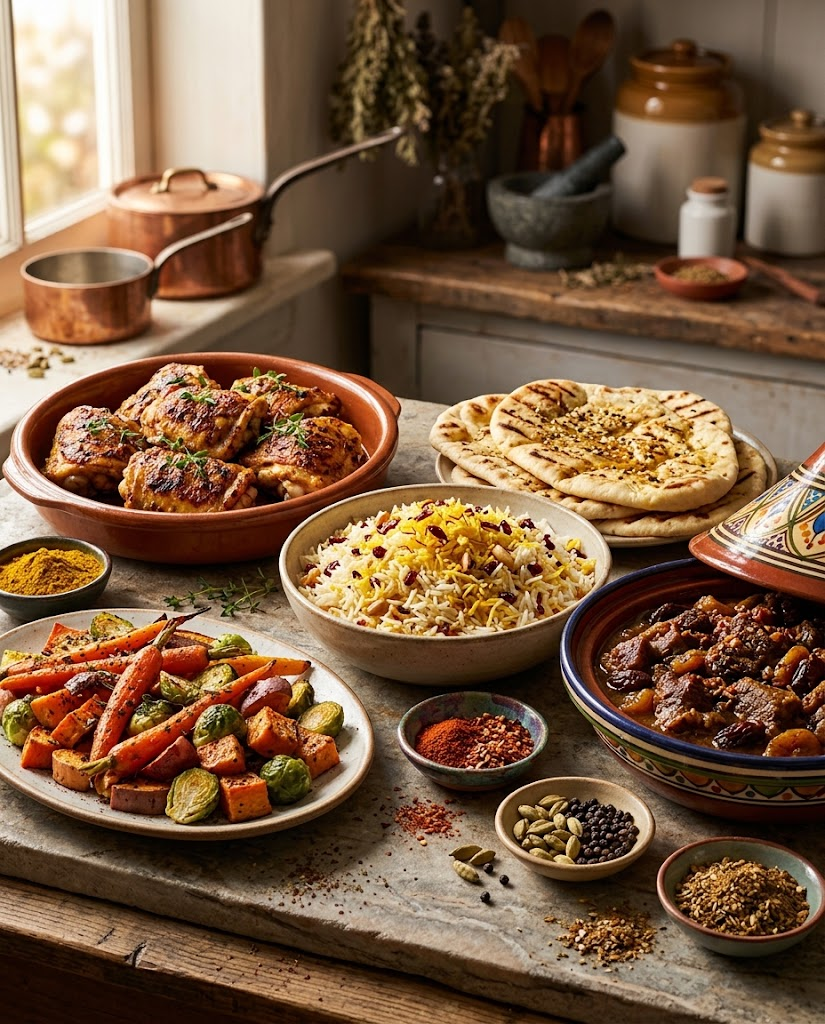
Quick curry boost: Garam Masala + turmeric + chili powder + garlic powder for a ready-to-sauté base.
Smoky roast rub: Berbere with a touch of smoked paprika and coriander for chicken or mushrooms.
Plant-forward meals: Za’atar mixed with olive oil as a dip for bread and as a finishing drizzle on roasted vegetables.
Kid-friendly option: Milder Ras el Hanout with extra cumin and a hint of cinnamon to balance heat.
Common Mistakes to Avoid
Overly concentrated blends: Too much of any single spice can overwhelm a dish.
Grinding and storing months apart: Fresh grinding or freshness checks produce better aroma.
Skipping to bloom spices: Toasting or blooming enhances aroma; skip and you miss depth.
Relying on salt to carry flavor: Spice blends should complement salt—not replace it.
Using raw blends on delicate proteins: Some spices are best applied after initial searing to prevent burning.
Health and Dietary Considerations
Many spice blends naturally reduce the need for salt and can offer antioxidant and anti-inflammatory properties. Note any allergies to seeds (mustard, sesame) or nightshades (chili) when selecting blends. If preserving a specific diet, verify ingredients such as sugar or artificial additives in commercial blends.
Frequently Asked Questions
What makes an exotic spice mix unique?
Exotic spice mixes derive identity from regional ingredients, growing conditions, and traditional techniques. Their balance of aroma, heat, and sweetness reflects cultural preferences and culinary heritage.
How should I store spice blends for best freshness?
Store blends in airtight containers in a cool, dark place away from heat. Whole spices stay potent longer; grind as needed for optimal aroma.
Can I make spice blends ahead of time?
Yes. Prepare blends in small batches, label with date, and store in a cool, dark spot or in the fridge for extended freshness.
How can I adjust heat when using spice blends with kids at home?
Start with milder blends or reduce the amount of hot chili components. Gradually increase heat in future meals after tasting.
Which blends pair well with chicken, beef, and vegetables?
Chicken: Garam Masala, Jerk Seasoning, Harissa
Beef: Ras el Hanout, Chinese Five-Spice, Berbere for depth
Vegetables: Za’atar, Advieh, Harissa for vibrant, aromatic notes
Are there health benefits to using spice blends?
Spices provide antioxidants and anti-inflammatory compounds; they can reduce reliance on salt while adding flavor. Individual effects vary by spice.
How do I substitute a missing spice in a blend?
Use a closely related aromatic or a similar heat level spice. For example, substitute cumin with coriander if needed, or swap a mild chili for paprika.
Should I toast spices before grinding?
Toasting enhances aroma by releasing essential oils. Toast whole spices briefly until fragrant, then cool and grind.
What’s the difference between garam Masala and curry powder?
Garam Masala is a warm, aromatic blend with multiple whole spices, typically added toward the end of cooking. Curry powder is a pre-mixed ground blend with varying spice ratios, often used during cooking.
Can I customize spice blends for vegan dishes?
Absolutely. Choose blends with plant-based ingredients and avoid dairy-bound components. Many blends work well with legumes, vegetables, and grains without animal products.
Where can I buy authentic spice blends?
Look for reputable spice shops, co-ops, or trusted online suppliers that provide whole spices and clearly labeled blends. Freshness and clear ingredient lists are good indicators of quality.
How can I use spice blends in soups and stews?
Stir in blends during simmering to allow flavors to meld, or bloom them in oil at the start for a robust aroma. Add mild blends for a balanced finish.
Conclusion
Exotic Spice Mixes From Different Cultures open doors to a pantry full of global flavors without turning cooking into an elaborate project. By understanding core ingredients, recognizing how to use them, and maintaining proper storage, you can consistently produce meals that are aromatic, balanced, and satisfying.
With a few practical steps, you can craft your own blends to fit preferences, seasonal ingredients, and dietary needs, ensuring your cooking remains vibrant and varied. Whether you’re exploring classic traditions or inventing your own signature blend, these spice combinations offer a simple, effective way to celebrate culinary diversity every day.
We can experiment with flavors, adjust heat, and build a repertoire that keeps meals exciting and delicious.