
What Not to Fix When Selling a House: Smart Tips
Before diving in, please note: This post is for informational purposes only. If you’d like to know more about how we approach topics, feel free to check out our friendly Disclaimer Page.
Hey there, amazing readers! 🖐️ Just a quick note: yes, we know there are a lot of ads here. Trust us, we get it—it’s not the prettiest look, but they help us keep this blog alive and kicking. Those pesky little ads cover the costs of all the behind-the-scenes magic, from hosting and tech stuff to creating content we hope you’ll love.
We’re committed to delivering quality posts, and your support (even just sticking around despite the ads) means everything to us. So, bear with us, and thanks for helping us keep the good vibes rolling. Now, on to the fun stuff! 😉
TRANSLATE BUTTON AT THE END OF THE ARTICLE
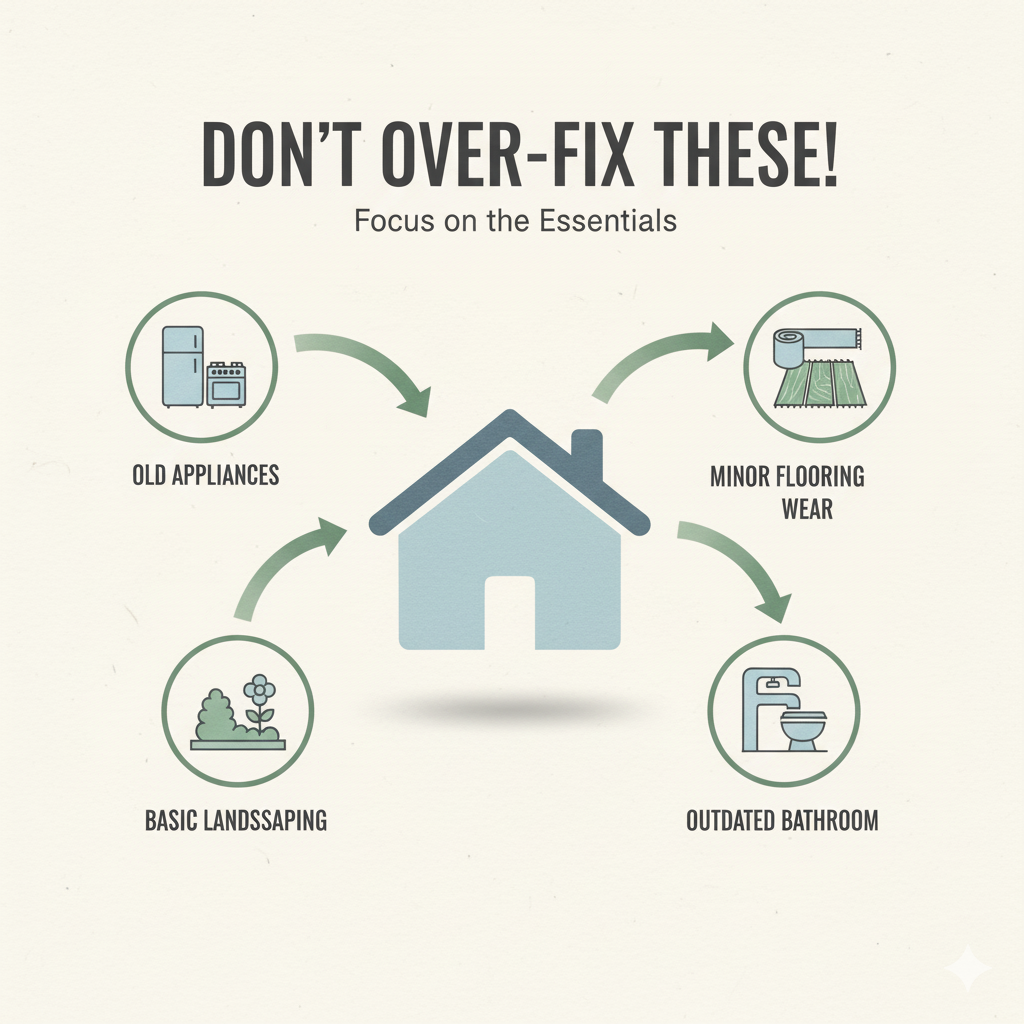
When preparing to sell a house, homeowners often face the decision of whether to make repairs or upgrades. While some improvements can increase your home’s value and appeal, not all fixes are worth the investment. Understanding what not to fix can help you focus on areas that offer the best return on investment and avoid unnecessary expenses. This guide provides smart tips on which repairs and upgrades you might skip before putting your home on the market.
Minor Cosmetic Issues
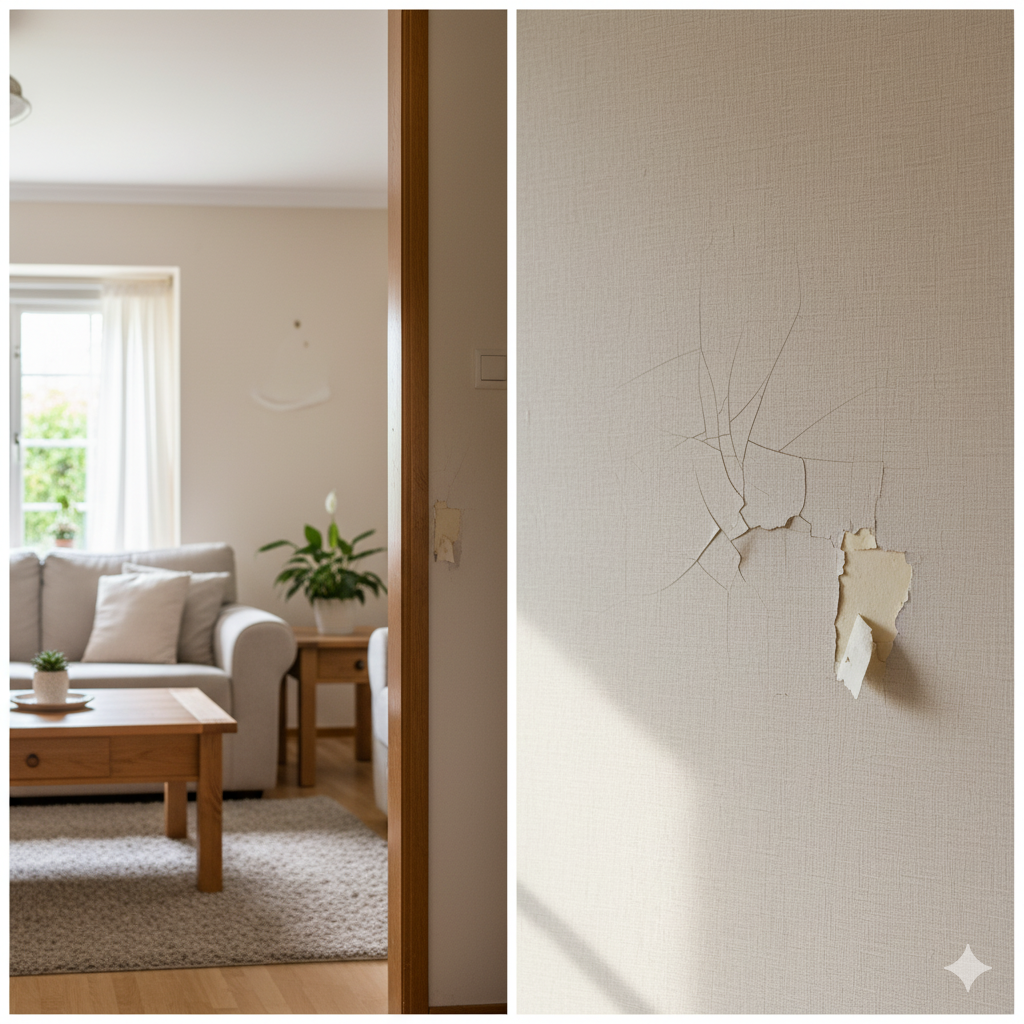
Cracked Paint or Wallpaper
Why Skip It: Minor paint cracks or peeling wallpaper are often considered superficial and may not significantly impact a buyer’s decision.
Tip: Focus on painting walls in neutral colors to create a fresh and appealing look.
Major cosmetic issues should be addressed, but minor imperfections can be overlooked by buyers.
Outdated Fixtures
Why Skip It: Fixtures like light switches, doorknobs, or cabinet handles may be outdated but are not typically deal-breakers for buyers.
Tip: If the fixtures are functional and clean, there’s no need to replace them unless they are damaged or significantly detract from the overall appearance.
Complex Systems and Appliances
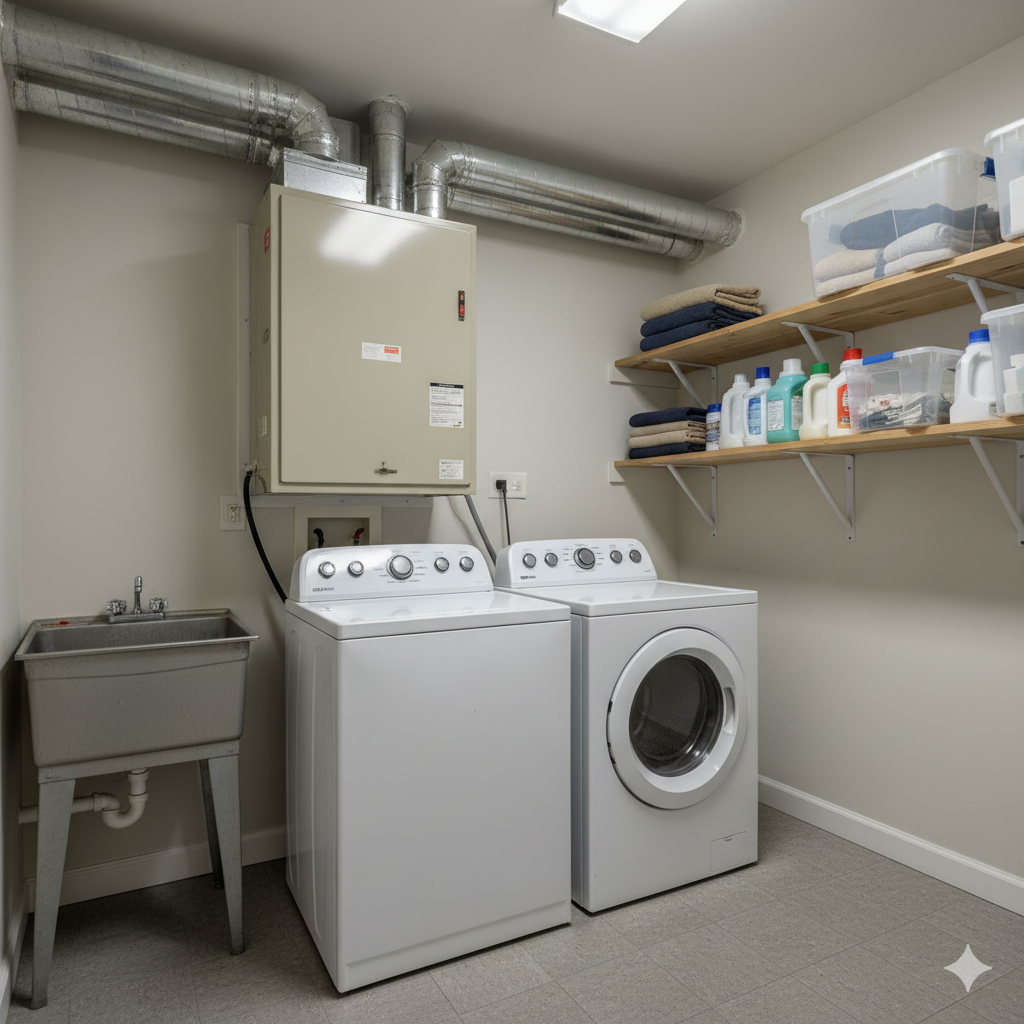
HVAC System
Why Skip It: If your HVAC system is functional but has some age on it, it may not be worth the cost to replace or repair unless there are significant issues.
Tip: Provide maintenance records to potential buyers to demonstrate that the system has been well-maintained.
Major Appliances
Why Skip It: Replacing or upgrading major appliances like refrigerators, dishwashers, or washers/dryers may not provide a good return on investment.
Tip: Ensure that appliances are clean and in good working order.
If they are older but functioning, focus on other areas of improvement.
Large-Scale Renovations
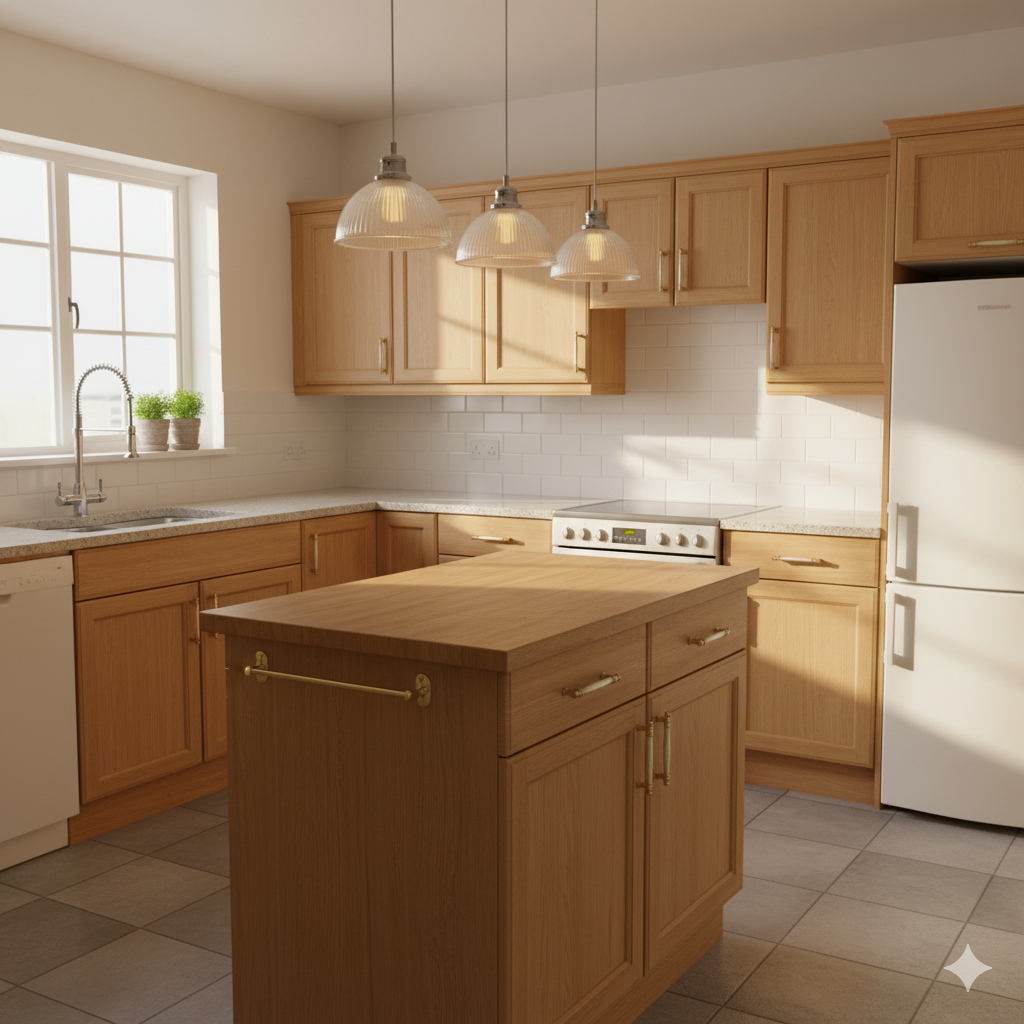
Kitchen Remodel
Why Skip It: A full kitchen remodel can be expensive and may not yield a significant return on investment.
Buyers often prefer to customize kitchens to their tastes.
Tip: Focus on minor updates like painting cabinets, updating hardware, or replacing countertops if necessary.
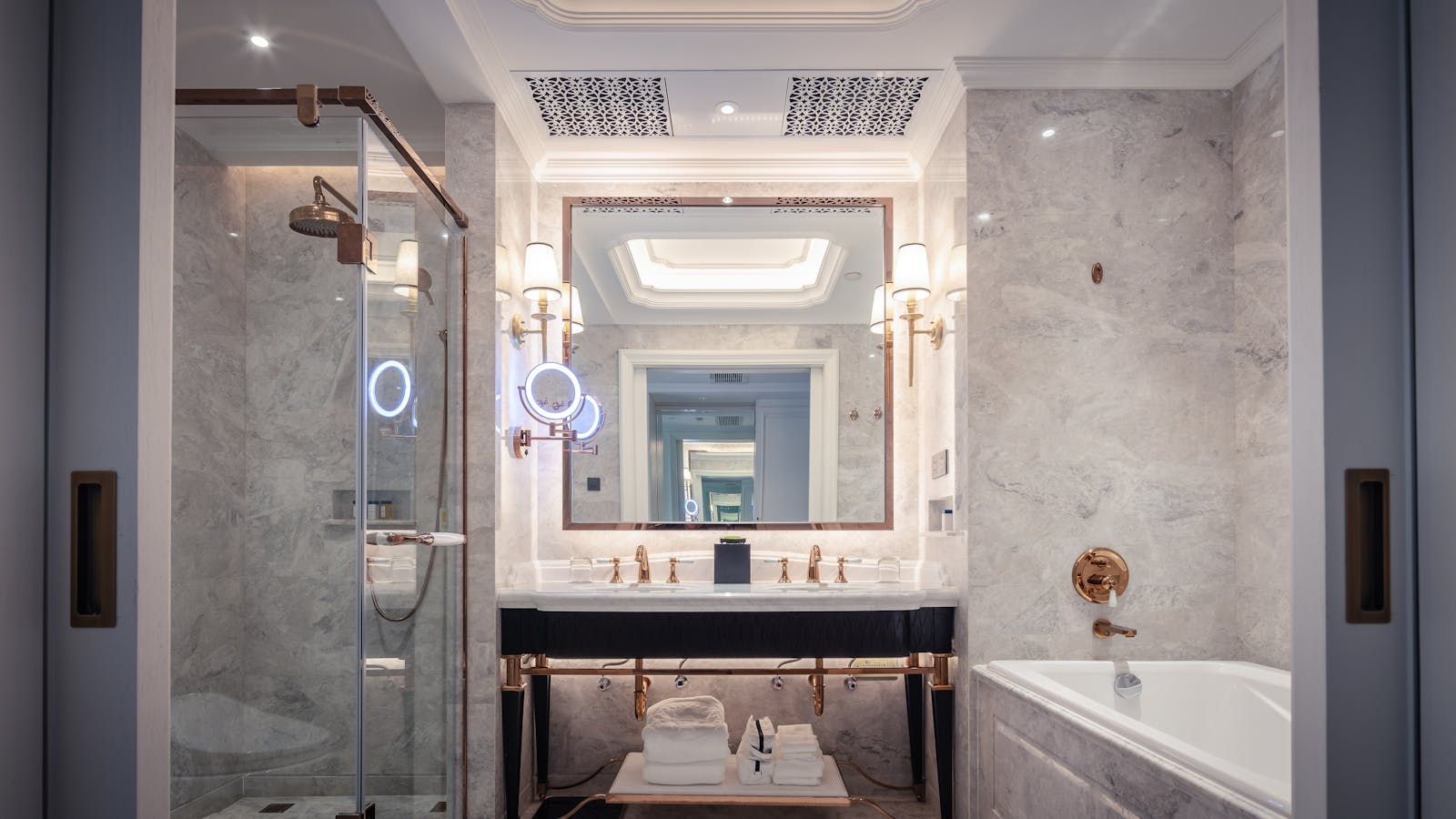
Bathroom Overhaul
Why Skip It: A complete bathroom renovation can be costly and may not be necessary.
Buyers may prefer to update bathrooms according to their preferences.
Tip: Address any major issues or outdated features, such as leaky faucets or broken tiles, but avoid extensive renovations.
Landscaping and Exterior Upgrades
High-End Landscaping
Why Skip It: Expensive landscaping projects, such as installing elaborate water features or custom outdoor kitchens, may not offer a substantial return on investment.
Tip: Maintain the yard with basic upkeep such as mowing, weeding, and trimming to ensure it looks neat and inviting.
Exterior Paint
Why Skip It: While a fresh coat of paint can improve curb appeal, the cost of painting the entire exterior may not always be justified, especially if the existing paint is in decent condition.
Tip: Focus on repairing or touching up areas where the paint is peeling or faded rather than repainting the entire house.

Personal Touches and Customizations
Custom Built-ins
Why Skip It: Custom built-ins or unique design features may not appeal to all buyers and can be costly to install.
Tip: Make sure built-ins are functional and well-maintained.
Buyers can always add their own personal touches once they move in.
Home Office or Gym Conversions
Why Skip It: Converting a room into a home office or gym might not appeal to all buyers and may not be worth the investment.
Tip: Return the room to its original purpose or ensure it can be easily adapted to different uses.

Structural and Major Systems Issues
Minor Structural Issues
Why Skip It: Minor structural issues, such as small cracks in walls or ceilings, may not need immediate attention unless they indicate serious underlying problems.
Tip: Focus on addressing major structural concerns or safety issues, and disclose any known problems to potential buyers.
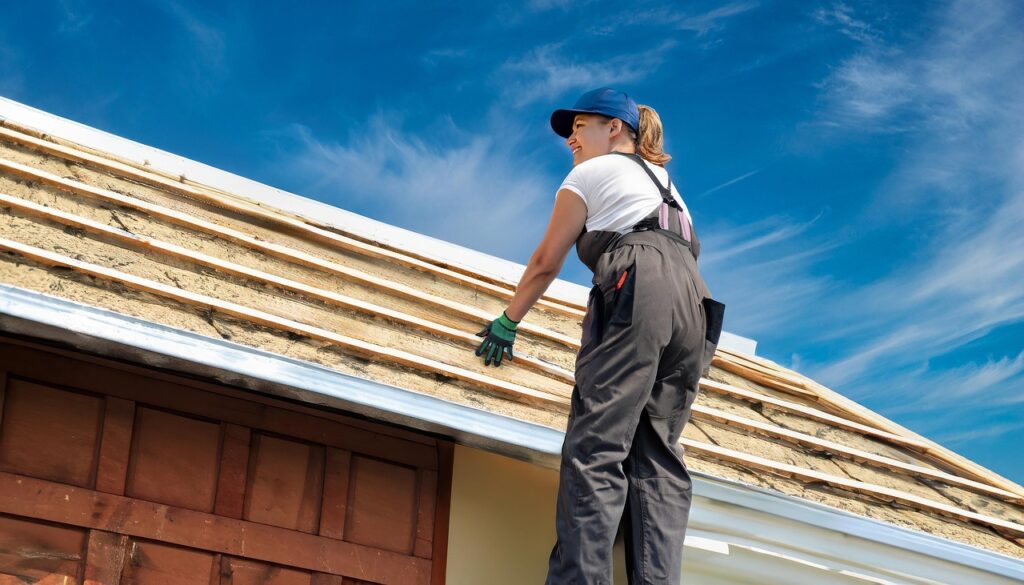
Roof Repairs
Why Skip It: If the roof is in reasonable condition with no major leaks or damage, extensive repairs or replacements may not be necessary.
Tip: Provide a roof inspection report to buyers to demonstrate its condition and address any significant issues.
Conclusion
When selling a house, it’s essential to focus your efforts and budget on improvements that offer the best return on investment. While some repairs and upgrades can enhance your home’s appeal, it’s equally important to avoid spending on fixes that may not significantly impact the sale. By prioritizing necessary updates and understanding what not to fix, you can effectively prepare your home for the market and attract potential buyers.
