
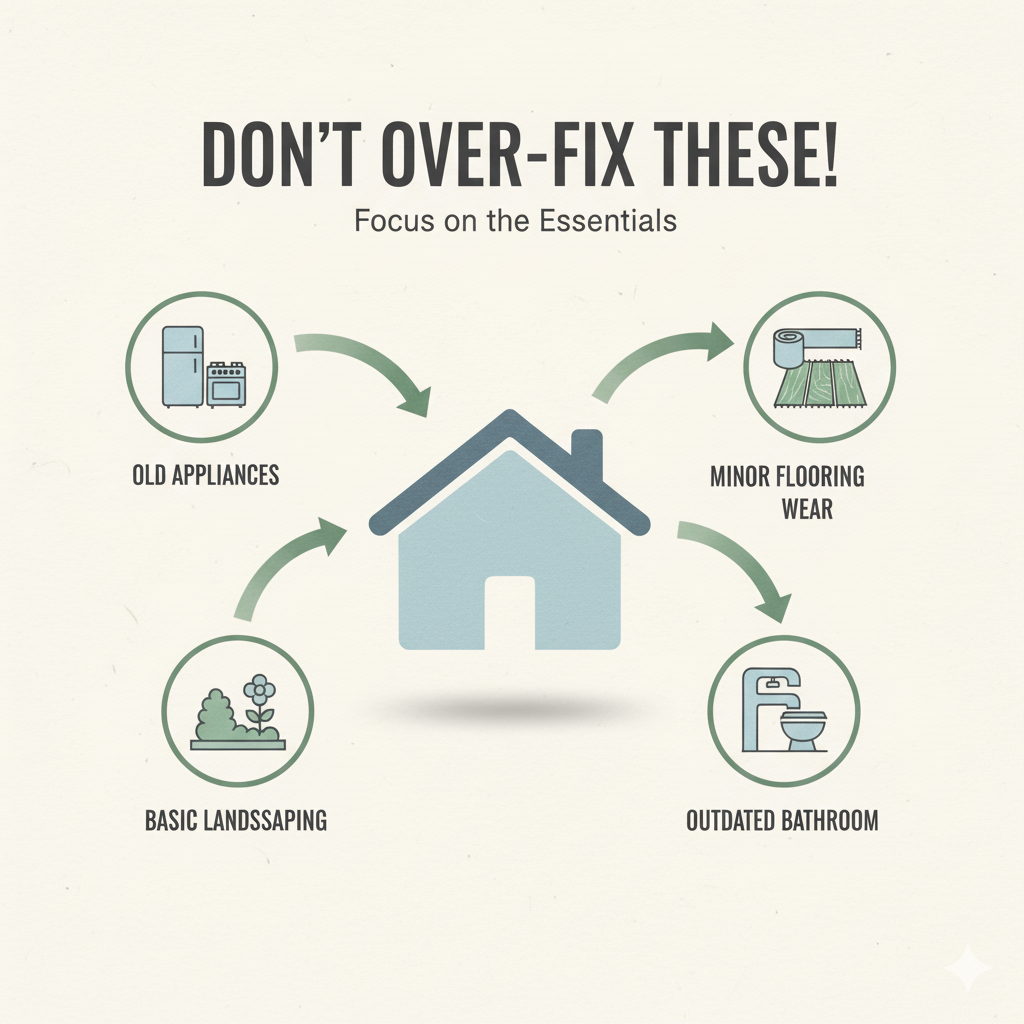
What Not to Fix When Selling a House: Smart Tips
Before diving in, please note: This post is for informational purposes only. If you’d like to know more about how we approach topics, feel free to check out our friendly Disclaimer Page.
Hey there, amazing readers! 🖐️ Just a quick note: yes, we know there are a lot of ads here. Trust us, we get it—it’s not the prettiest look, but they help us keep this blog alive and kicking. Those pesky little ads cover the costs of all the behind-the-scenes magic, from hosting and tech stuff to creating content we hope you’ll love.
We’re committed to delivering quality posts, and your support (even just sticking around despite the ads) means everything to us. So, bear with us, and thanks for helping us keep the good vibes rolling. Now, on to the fun stuff! 😉
TRANSLATE BUTTON AT THE END OF THE ARTICLE
When preparing to sell a house, homeowners often face the decision of whether to make repairs or upgrades. While some improvements can increase your home’s value and appeal, not all fixes are worth the investment. Understanding what not to fix can help you focus on areas that offer the best return on investment and avoid unnecessary expenses. This guide provides smart tips on which repairs and upgrades you might skip before putting your home on the market.

Before deciding which improvements to skip, take a little time to look at your home from a buyer’s perspective. A feature that feels outdated to you might still be perfectly acceptable to someone else, especially if it is clean, functional, and consistent with the property’s price range. Likewise, a small repair that seems insignificant to you could stand out during a viewing if it affects the way a room looks or functions.

It helps to separate potential projects into three categories: repairs that are necessary, inexpensive improvements that make the property more appealing, and optional upgrades that may not justify their cost. This simple approach can prevent you from spending money on a complete renovation when a few carefully chosen improvements would achieve much the same result. The goal is not to make your house look brand new, but to present it honestly and help buyers appreciate its condition, layout, and potential.
Minor Cosmetic Issues
Cracked Paint or Wallpaper
Why Skip It: Minor paint cracks or peeling wallpaper are often considered superficial and may not significantly impact a buyer’s decision.
Tip: Focus on painting walls in neutral colors to create a fresh and appealing look.
Major cosmetic issues should be addressed, but minor imperfections can be overlooked by buyers.
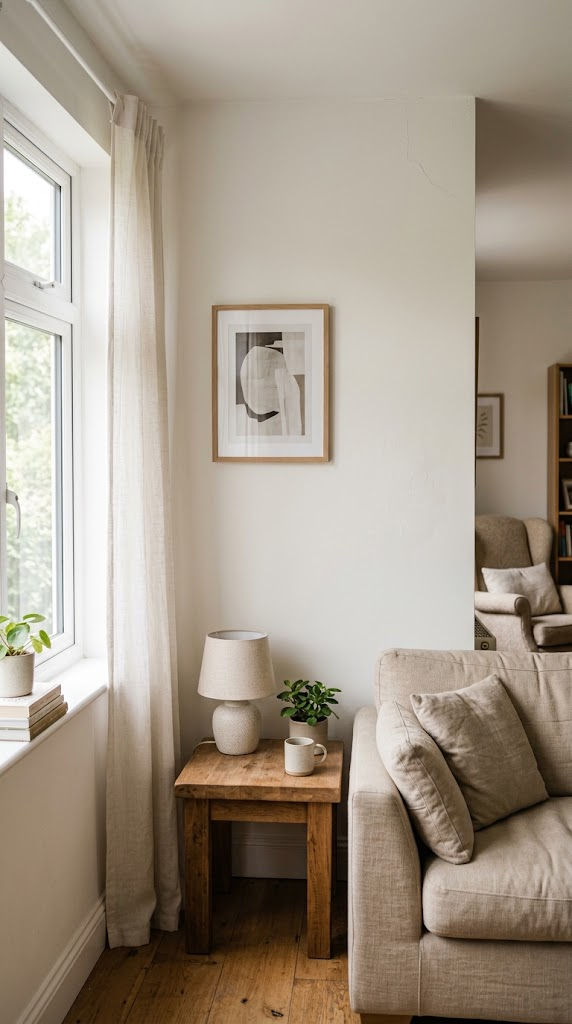
One useful distinction is whether an imperfection affects the appearance of the room or suggests a more serious underlying issue. A small scuff behind a door, a few nail holes from removed picture frames, or slightly uneven paint may be relatively simple to address. Repainting every wall or stripping perfectly serviceable wallpaper, however, can involve more time and expense than the situation warrants.
Consider how noticeable the issue is when someone first enters the room. A heavily marked wall in the main living area may deserve attention, while a small blemish in a spare bedroom may have very little impact on the overall presentation. If the existing finish is in reasonable condition, targeted touch-ups and thorough cleaning may be sufficient.
Be cautious with peeling paint, recurring cracks, or discolored patches, particularly when moisture could be involved. These conditions should not automatically be treated as superficial problems. Investigate the cause first, then decide whether a cosmetic repair is appropriate.
Outdated Fixtures
Why Skip It: Fixtures like light switches, doorknobs, or cabinet handles may be outdated but are not typically deal-breakers for buyers.
Tip: If the fixtures are functional and clean, there’s no need to replace them unless they are damaged or significantly detract from the overall appearance.
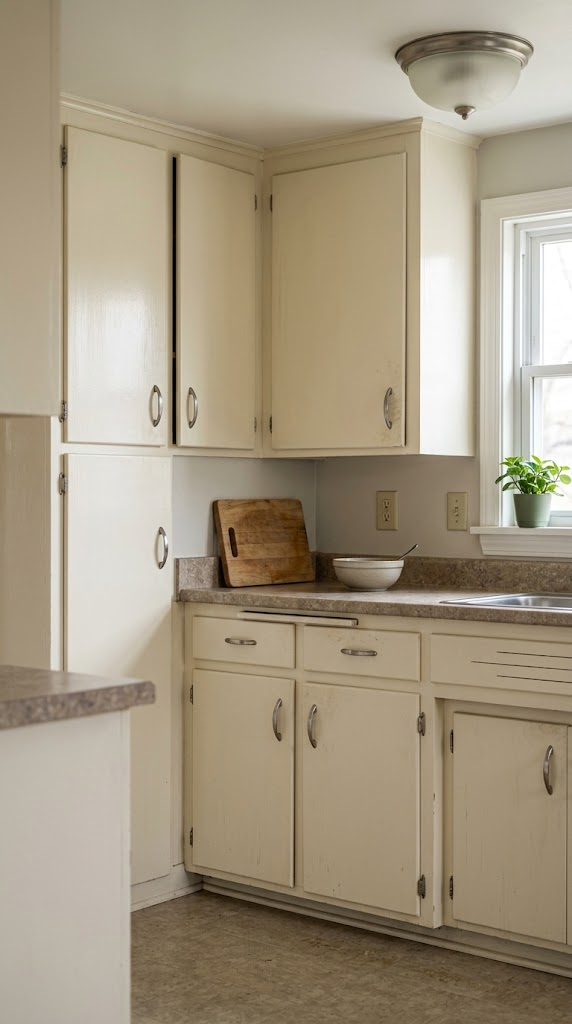
Buyers do not necessarily expect every detail of a home to reflect the latest design trends. A traditional ceiling light, older cabinet pulls, or a conventional bathroom mirror may still fit the space perfectly well, even if a different style would look more contemporary. Replacing these items throughout an entire property can become surprisingly expensive when the cost of materials and installation is added together.
Instead, assess each fixture individually. A cabinet handle that is slightly dated but firmly attached may not need attention, while a broken handle that prevents a cupboard from closing properly is worth fixing. Similarly, a clean, functioning light fixture may be acceptable, but damaged or unsafe electrical components require proper attention rather than cosmetic treatment.
If a few small changes would noticeably improve the room, choose them selectively. The objective is to remove obvious distractions and demonstrate that the home has been maintained, not to replace every functioning item simply because newer designs are available.
Complex Systems and Appliances
HVAC System
Why Skip It: If your HVAC system is functional but has some age on it, it may not be worth the cost to replace or repair unless there are significant issues.
Tip: Provide maintenance records to potential buyers to demonstrate that the system has been well-maintained.
When evaluating an older heating and cooling system, consider its actual performance rather than relying on its age alone. Does the equipment maintain comfortable temperatures? Does it operate without unusual noises or persistent odors? Are there signs of water leakage, inconsistent airflow, or repeated breakdowns? These observations can help you decide whether routine servicing is sufficient or whether further investigation is needed.
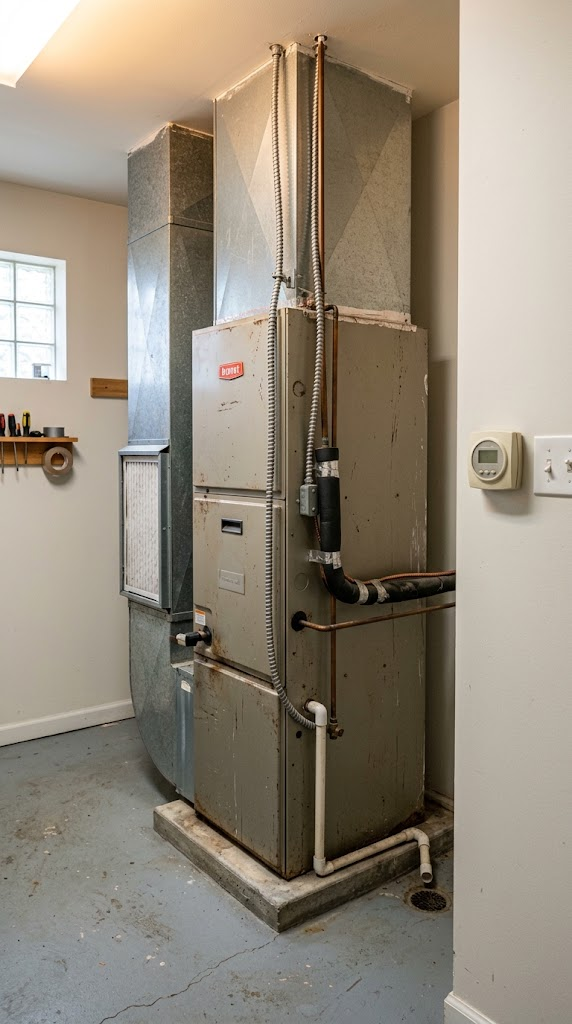
Maintenance records are particularly useful because they provide context that buyers cannot obtain simply by looking at the equipment. Available service invoices, filter replacement records, warranty information, and details of previous repairs can help explain how the system has been cared for. If an inspection identifies a problem, request an explanation of the necessary work and its estimated cost before deciding what to do.
A complete replacement is a substantial commitment, so it is worth comparing the cost with the system’s condition, expected remaining service life, and expectations in your local market. On the other hand, an unreliable or unsafe system should not be left unaddressed simply to avoid spending money. A professional assessment can help you make a more informed decision.
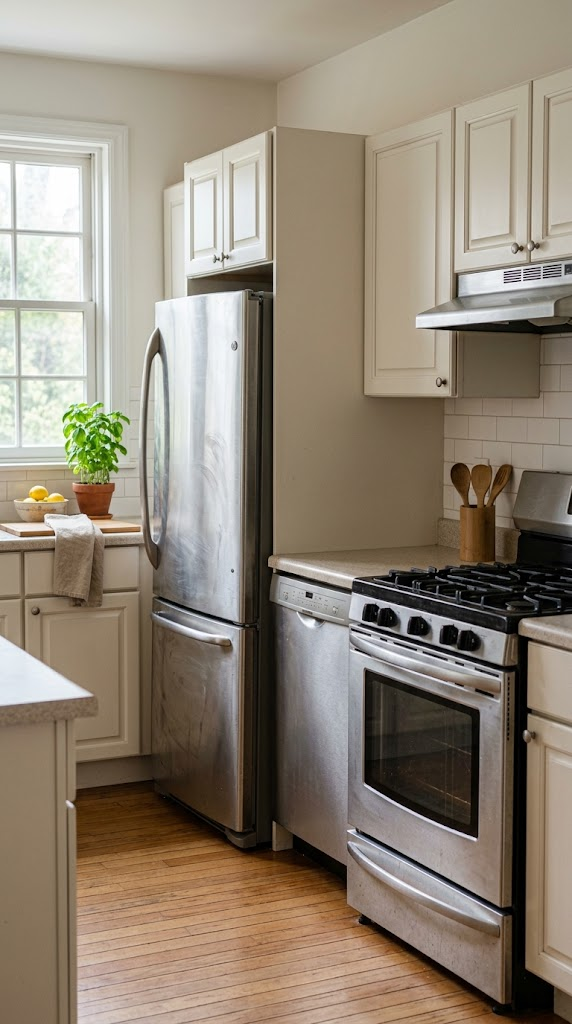
Major Appliances
Why Skip It: Replacing or upgrading major appliances like refrigerators, dishwashers, or washers/dryers may not provide a good return on investment.
Tip: Ensure that appliances are clean and in good working order.
If they are older but functioning, focus on other areas of improvement.
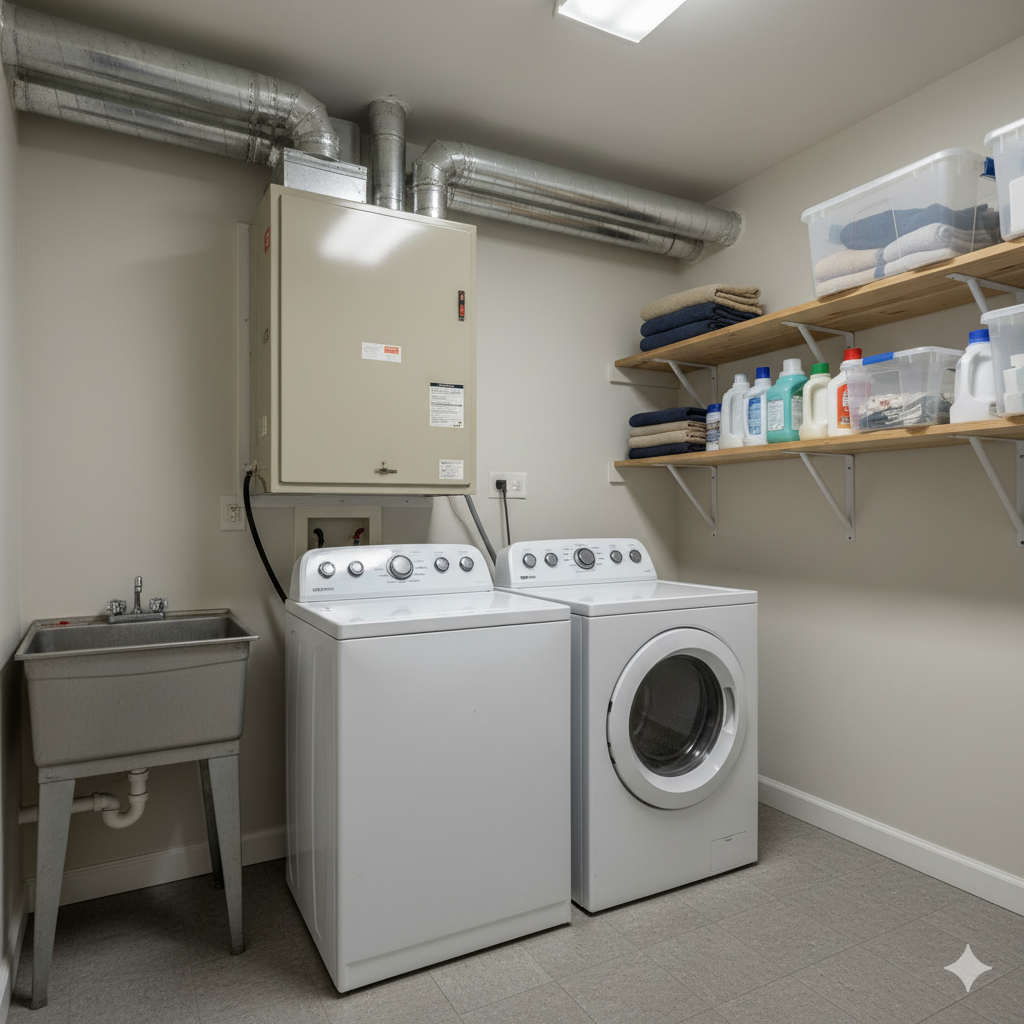
A practical way to assess appliances is to consider cleanliness, reliability, and overall condition separately. A refrigerator with an older design may still be useful if it keeps food at the correct temperature, while a newer dishwasher that leaks or repeatedly fails to complete a cycle can create greater concern. Appearance alone does not tell the whole story.
Before listing the property, clean appliance doors, remove grease and food residue, tidy refrigerator shelves, and clear unnecessary items from the surrounding countertops. Check that the equipment you intend to include with the sale operates as expected. If an appliance has a known defect, consider whether a repair is sensible and clarify the arrangements with your real estate professional.
It is also worth checking comparable homes in your area. Buyers looking at properties in a particular price range may have certain expectations about kitchen equipment, whereas buyers purchasing a home that needs updating may be less concerned about older finishes. This context can help you avoid replacing appliances unnecessarily while still presenting a functional kitchen.
Large-Scale Renovations
Kitchen Remodel
Why Skip It: A full kitchen remodel can be expensive and may not yield a significant return on investment.
Buyers often prefer to customize kitchens to their tastes.
Tip: Focus on minor updates like painting cabinets, updating hardware, or replacing countertops if necessary.
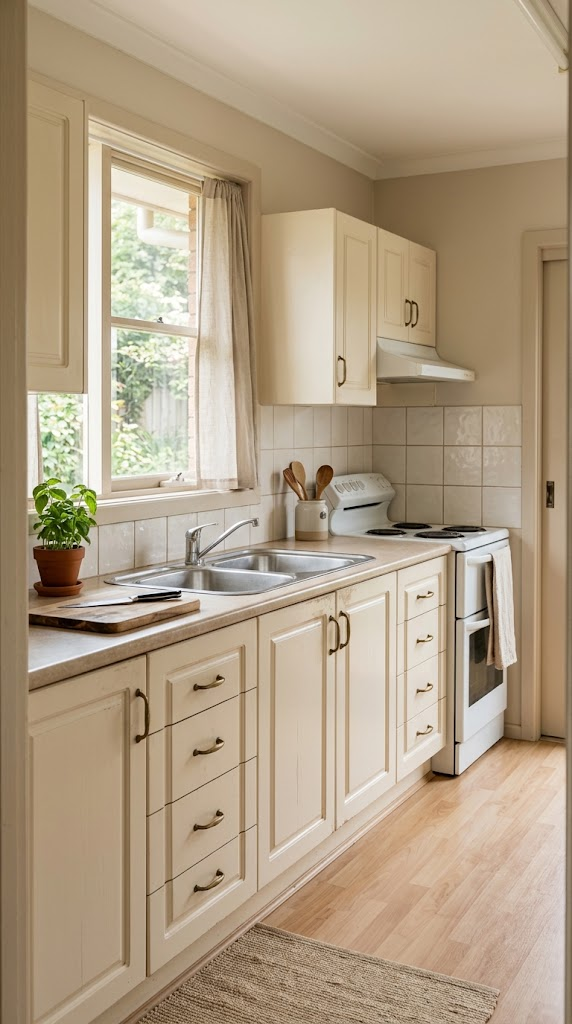
A useful alternative to a full remodel is to identify which parts of the kitchen actually create a poor impression. Sometimes the cabinets are structurally sound, but the room looks dated because the countertops are crowded, the hardware is worn, or the lighting is insufficient. Addressing these specific issues can improve the appearance without requiring new cabinetry, appliances, flooring, and plumbing.
Begin by clearing unnecessary items from the counters and giving the cabinets, backsplash, sink, and appliances a thorough cleaning. Tightening loose hardware, repairing a sticking drawer, or replacing a damaged cabinet pull may be inexpensive improvements that make the kitchen feel better maintained. If the cabinet surfaces are suitable, a carefully planned paint update may also be worth considering, although painting is not automatically the best choice for every material or finish.
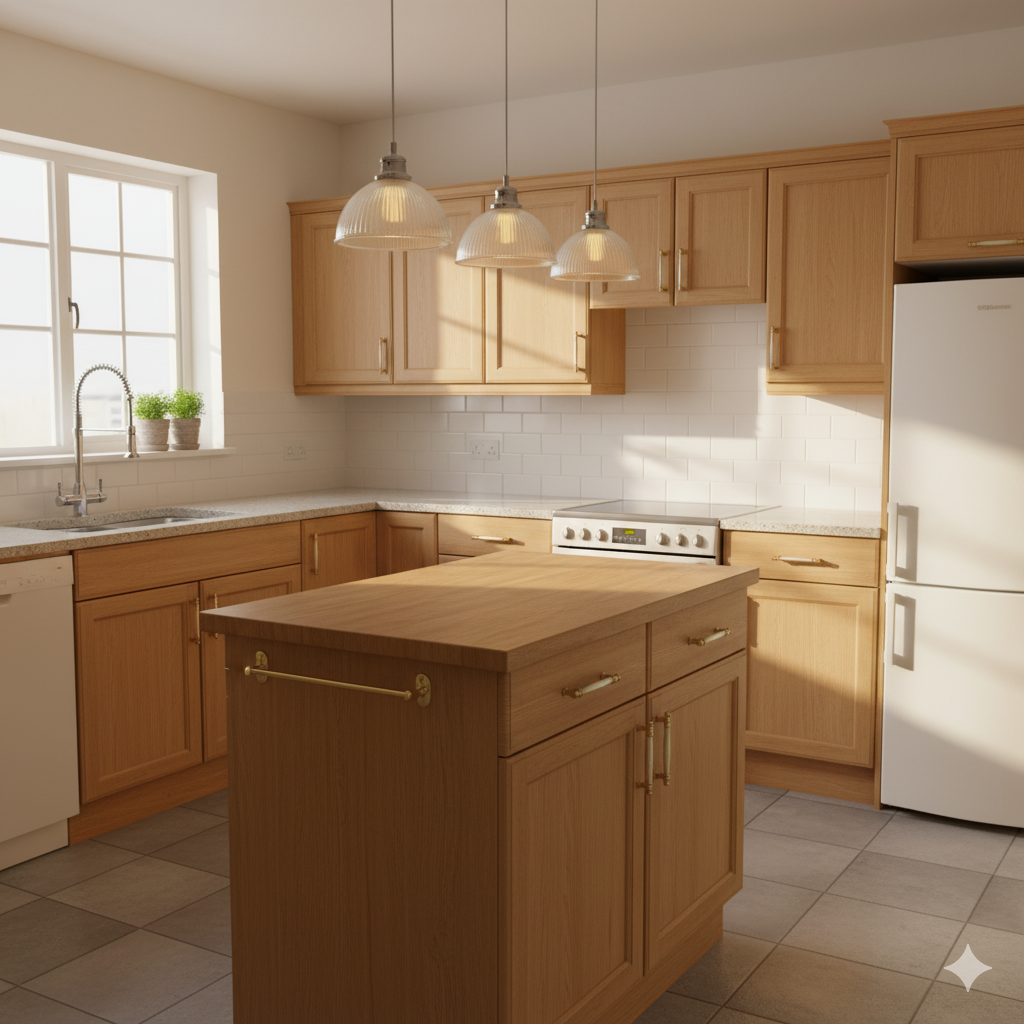
Before committing to new countertops or an expensive redesign, ask whether the proposed work solves a meaningful problem. A surface that is clean and serviceable may be perfectly adequate, even if its color is not fashionable. Major renovations make more sense when the kitchen has significant damage, serious functional limitations, or problems that are likely to concern buyers in your market. A local real estate professional can help you weigh these considerations before you begin.
Bathroom Overhaul
Why Skip It: A complete bathroom renovation can be costly and may not be necessary.
Buyers may prefer to update bathrooms according to their preferences.
Tip: Address any major issues or outdated features, such as leaky faucets or broken tiles, but avoid extensive renovations.

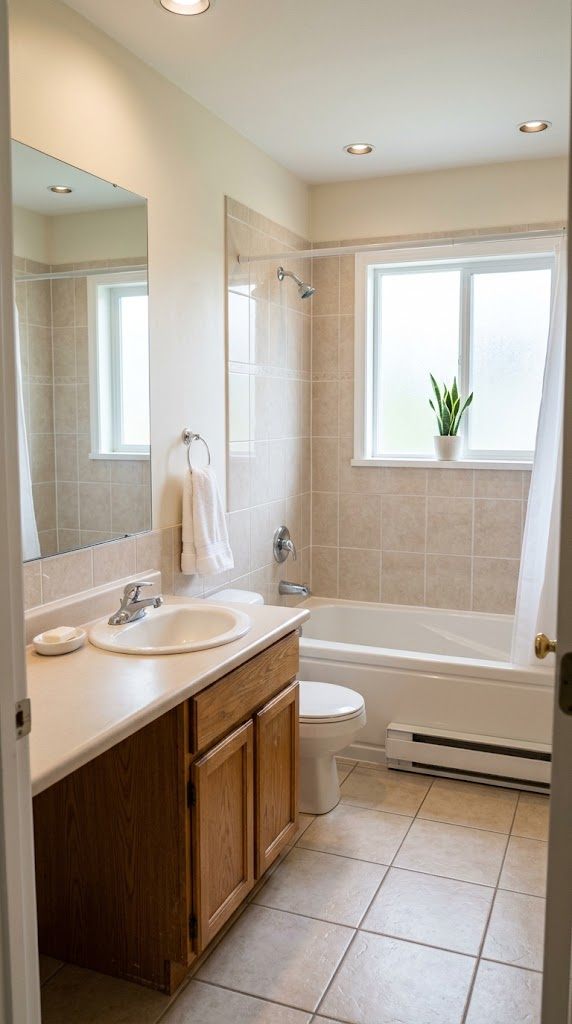
Bathrooms often benefit from attention to cleanliness and basic functionality more than they benefit from a complete design overhaul. Water spots on mirrors, soap residue on glass, stained grout, and cluttered countertops can make an otherwise usable bathroom appear neglected. Addressing these details helps buyers evaluate the actual condition of the room instead of being distracted by avoidable mess.
Start by cleaning the sink, bathtub, shower screen, mirrors, and fixtures. Remove unnecessary toiletries and worn bath accessories, and replace damaged or heavily stained towels if needed. Check that faucets operate properly, drains empty as expected, and cabinet doors open and close without difficulty. Small repairs can make the room feel more cared for without requiring new tiles or a replacement vanity.
However, cosmetic improvements should not conceal persistent dampness, active leaks, deteriorating waterproofing, or suspected mold. These issues may indicate underlying problems that require professional assessment. Once essential concerns have been evaluated, you can decide whether modest finishing touches are enough or whether more substantial work is justified.
Landscaping and Exterior Upgrades
High-End Landscaping
Why Skip It: Expensive landscaping projects, such as installing elaborate water features or custom outdoor kitchens, may not offer a substantial return on investment.
Tip: Maintain the yard with basic upkeep such as mowing, weeding, and trimming to ensure it looks neat and inviting.
When preparing an outdoor area for viewings, think about how easily a potential buyer can understand and use the space. An overgrown path, a collection of unused pots, or shrubs blocking the entrance can distract from the property even if the garden itself has plenty of potential. Clearing these distractions may improve the first impression without requiring a major redesign.

Focus on maintenance that makes a visible difference. Remove weeds, trim plants that obstruct walkways, collect fallen branches, and tidy existing garden beds. If outdoor furniture is already available, arrange it neatly to suggest how a patio or balcony can be used. There is usually no need to purchase an entirely new outdoor furniture set simply to make the area look more presentable.
Consider the future maintenance burden as well. Elaborate water features, extensive new planting, and custom outdoor structures may appeal to some buyers but not others. A straightforward, well-maintained garden can be attractive precisely because it offers flexibility and does not demand a large amount of upkeep.
Exterior Paint
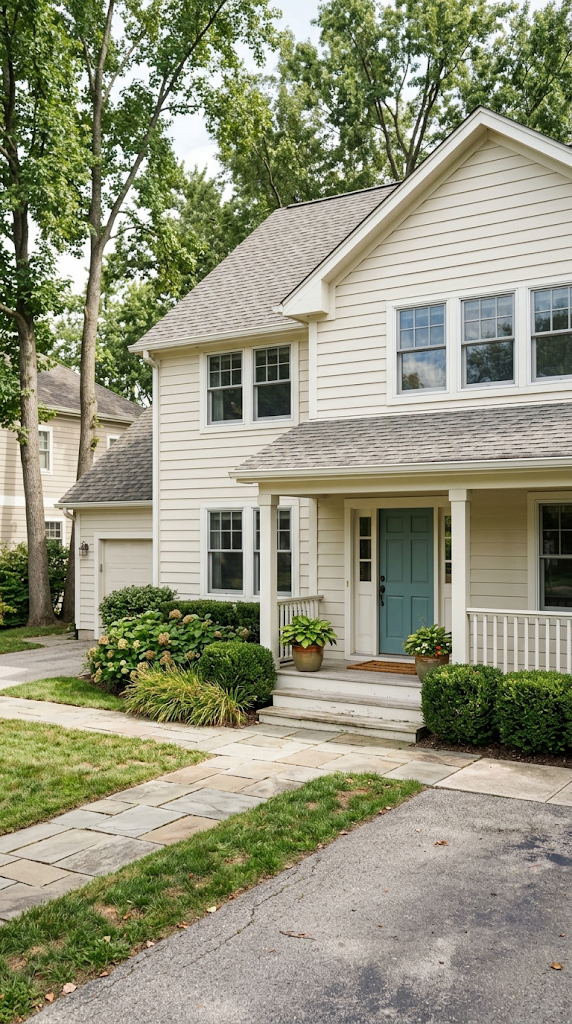
Why Skip It: While a fresh coat of paint can improve curb appeal, the cost of painting the entire exterior may not always be justified, especially if the existing paint is in decent condition.
Tip: Focus on repairing or touching up areas where the paint is peeling or faded rather than repainting the entire house.
Walk around the exterior in daylight and inspect the areas that buyers are most likely to notice, including the front door, window trim, porch, and main entrance. A small, faded section may need only a targeted touch-up, while an extensive area of deteriorating paint deserves closer attention. Look beyond color and consider whether the underlying material is sound.
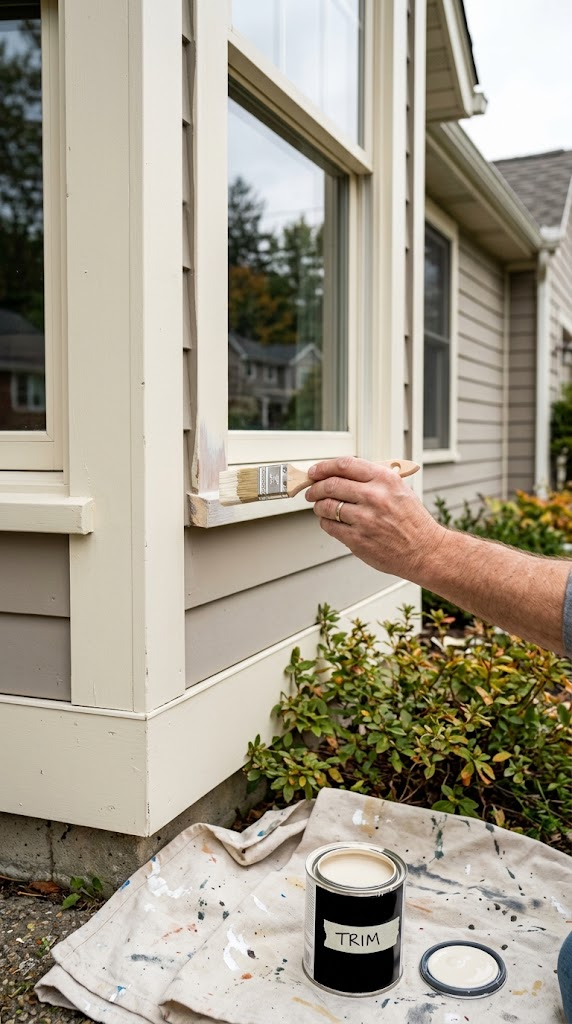
It is also important to distinguish between fading caused by ordinary weather exposure and damage that could signal moisture intrusion or deterioration. Repainting over damaged timber or an unresolved water problem can lead to further work later. If the surface is peeling extensively or the material beneath it appears compromised, investigate the cause before deciding how to proceed.
Where the existing finish is largely intact, concentrate on cleaning suitable surfaces and correcting isolated defects. A tidy entrance, clear windows, and well-maintained trim can help the exterior look cared for without automatically committing to a complete repaint. Whether more extensive work is worthwhile depends on the property’s condition and the expectations of buyers in your area.
Personal Touches and Customizations
Custom Built-ins
Why Skip It: Custom built-ins or unique design features may not appeal to all buyers and can be costly to install.
Tip: Make sure built-ins are functional and well-maintained.
Buyers can always add their own personal touches once they move in.
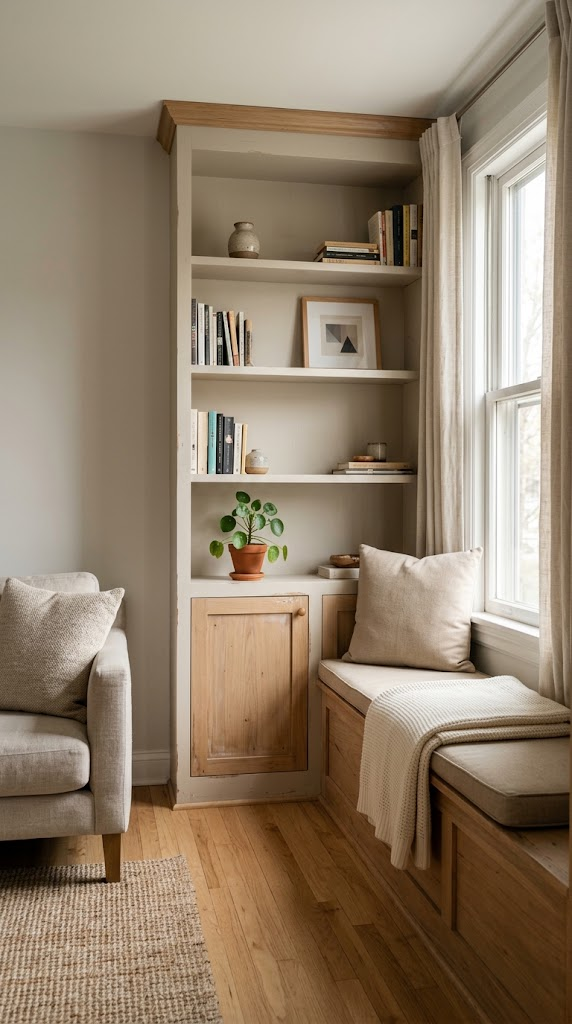
Before removing a built-in feature, consider the work that removal could create. Taking out a fitted bookcase or window seat may leave holes in the walls, unfinished flooring, or areas that need repainting. What initially appears to be a simple change can become a more expensive project once those secondary repairs are included.
A better option may be to make the feature look as versatile as possible. Remove personal collections, avoid overcrowding shelves, and use a small selection of neutral objects to show the available space. If the built-in has loose shelves, damaged hardware, or visible marks, address those issues where practical.
The key question is whether the feature adds useful storage or interferes with how the room can be used. If it is intact and reasonably proportioned, leaving it in place may be simpler than removing it to suit a hypothetical buyer’s preferences. If it significantly restricts the room, compare the cost of removal with the potential benefit before making a decision.
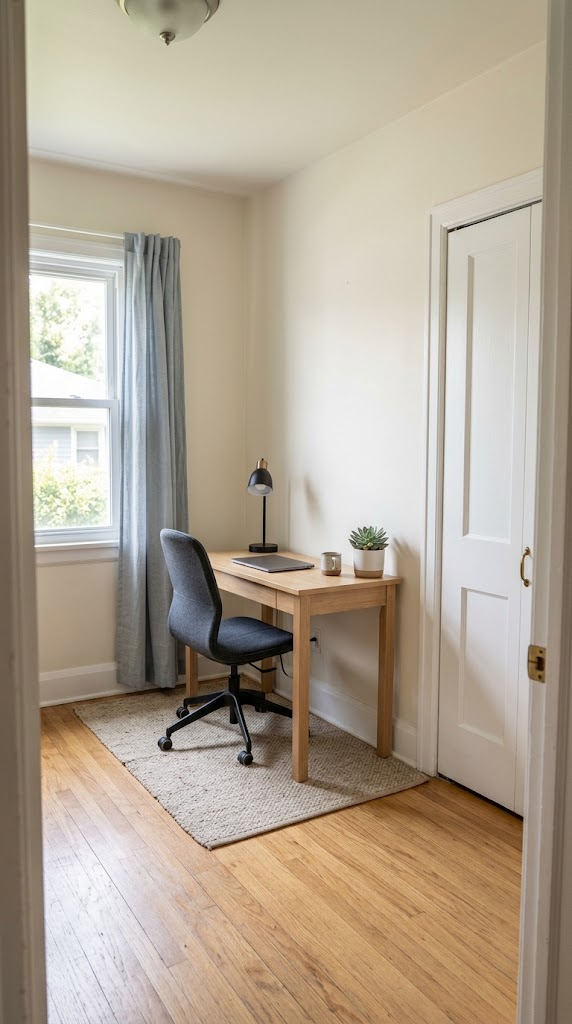
Home Office or Gym Conversions
Why Skip It: Converting a room into a home office or gym might not appeal to all buyers and may not be worth the investment.
Tip: Return the room to its original purpose or ensure it can be easily adapted to different uses.

Flexibility is especially important when a property has a limited number of bedrooms or a small amount of additional living space. A room that currently functions as an office can still appeal to buyers who need a guest room, a study area, or a place for hobbies, provided the layout remains easy to understand.
You do not necessarily need to remove everything from the room. Instead, clear excess equipment, organize cables, remove bulky items that dominate the floor area, and make sure windows, closets, and doors remain accessible. A simple desk and chair may be enough to suggest an office without making the entire room look permanently dedicated to one purpose.
If the conversion involved permanent alterations, check whether any relevant permissions, safety requirements, or property descriptions need attention. Avoid describing a converted room as a legal bedroom unless it meets the applicable local requirements. The aim is to present the space accurately while helping buyers see its potential uses.
Structural and Major Systems Issues
Minor Structural Issues
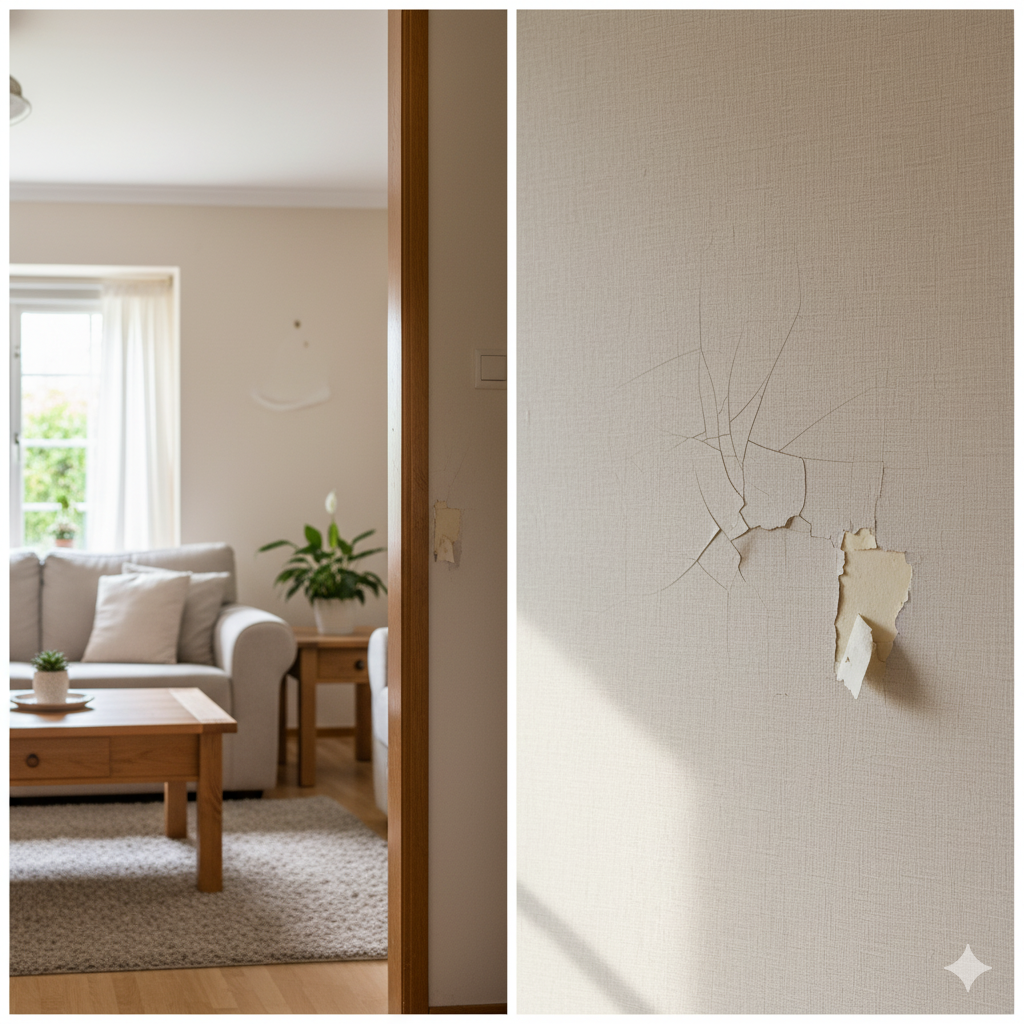
Why Skip It: Minor structural issues, such as small cracks in walls or ceilings, may not need immediate attention unless they indicate serious underlying problems.
Tip: Focus on addressing major structural concerns or safety issues, and disclose any known problems to potential buyers.
One reason to be cautious with this category is that the appearance of a crack does not always reveal its cause. A fine line in painted plaster may be superficial, but a widening crack, repeated cracking after repairs, noticeably uneven floors, or doors and windows that suddenly become difficult to operate may justify further investigation. The surrounding conditions matter as much as the mark itself.
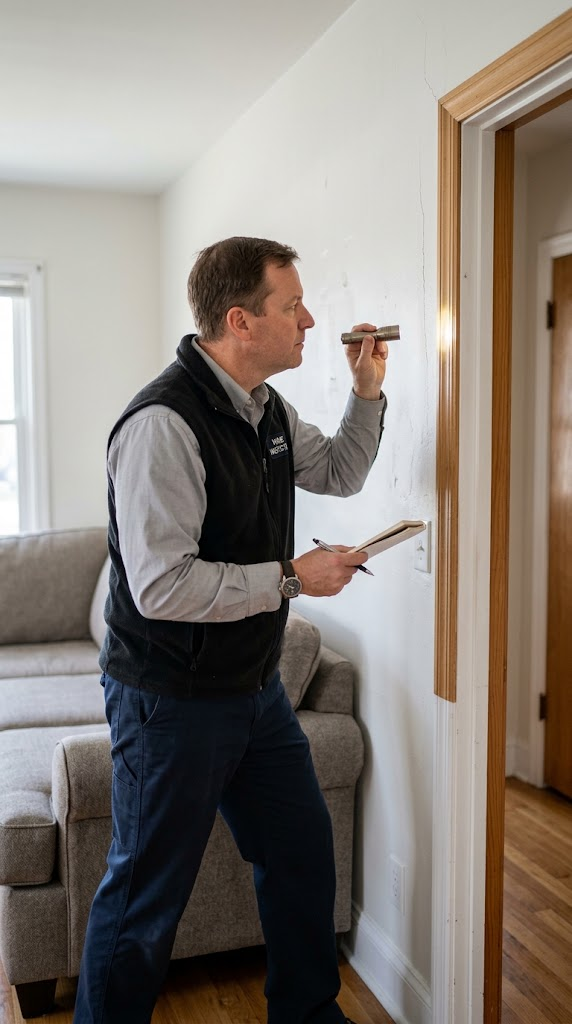
Avoid automatically filling and painting over a crack before understanding why it appeared. If the cause is uncertain, or if you notice movement, water intrusion, or other concerning signs, consult an appropriately qualified professional. That assessment can help establish whether the issue is cosmetic, needs monitoring, or requires more substantial work.
Getting clarity before listing can also help you prepare for buyer questions and inspections. Keep any relevant assessment and repair records, and check the disclosure requirements that apply to your location. Saving money on unnecessary cosmetic repairs is sensible, but it should never mean concealing a known defect or assuming that a potentially serious issue is harmless.
Roof Repairs
Why Skip It: If the roof is in reasonable condition with no major leaks or damage, extensive repairs or replacements may not be necessary.
Tip: Provide a roof inspection report to buyers to demonstrate its condition and address any significant issues.
The decision to repair or replace a roof should be based on its actual condition rather than age alone. Roofing materials have different expected service lives, and weather exposure, installation quality, ventilation, and maintenance can all influence performance. Two roofs of similar age may therefore be in quite different conditions.

If you are uncertain, an inspection by a qualified roofing professional can provide more useful information than a visual check from the ground. Ask the inspector to explain any significant findings, identify repairs that are necessary, and distinguish immediate concerns from routine maintenance. This can help you compare the cost of targeted work with that of a larger project.
Pay particular attention to active leaks, damaged flashing, missing or deteriorated shingles, and signs of water entering the attic or ceiling. These are not issues to ignore simply because a complete replacement would be expensive. Depending on the findings, a localized repair may be sufficient, while more extensive deterioration may warrant a different approach. Keeping records of inspections and completed work can also help you answer questions during the selling process.

How to Decide Which Repairs Are Worth It Before Selling
Once you have reviewed the condition of your home, the next challenge is deciding where to spend your time and money. It is easy to focus on whichever room looks the most outdated, but the most noticeable issue is not always the most important one. A useful starting point is to separate necessary repairs from presentation improvements and optional upgrades.
Prioritize Safety and Functionality
Start by identifying problems that affect the safe and normal use of the property. Active plumbing leaks, unsafe electrical components, defective heating or cooling equipment, significant roof damage, and possible structural concerns deserve attention before you focus on purely decorative updates. If you are unsure about a problem, seek a professional assessment rather than relying on appearance alone.
Focus on Changes Buyers Will Notice
Next, look at the property as someone seeing it for the first time. Cluttered countertops, heavily marked walls, dirty windows, unpleasant odors, and overgrown paths may distract buyers from the space itself. Many of these concerns can be improved through cleaning, organizing, and modest repairs rather than expensive renovations.
Compare the Cost With the Likely Benefit
Before approving a project, obtain an estimate and consider whether the work is likely to improve functionality, address a defect, or make the property more competitive. A small repair may be worthwhile because it resolves an obvious concern, while an expensive design upgrade may offer little practical benefit if the feature already works well.
Local market conditions also matter. Buyers’ expectations vary by neighborhood, price range, property type, and the availability of comparable homes. A local real estate professional can help explain which improvements are commonly expected, while qualified contractors or inspectors can assess technical issues.
Keep Records of Work You Complete
Save invoices, inspection reports, warranties, maintenance records, and details of repairs completed before listing. These documents can help you explain the home’s condition and answer reasonable questions from buyers. Good records do not guarantee a particular sale price, but they can make discussions about maintenance more straightforward.
The most effective strategy is to address genuine problems, make selective improvements where they are useful, and resist the pressure to renovate every dated feature. A thoughtful decision is based on the condition of the property and the needs of the likely buyer, not simply on whether a newer version of something is available.
Conclusion
When selling a house, it’s essential to focus your efforts and budget on improvements that offer the best return on investment. While some repairs and upgrades can enhance your home’s appeal, it’s equally important to avoid spending on fixes that may not significantly impact the sale. By prioritizing necessary updates and understanding what not to fix, you can effectively prepare your home for the market and attract potential buyers.
Before committing to any major project, make a short list of the proposed work, the estimated cost, and the reason for doing it. Discuss substantial repairs with the appropriate professional and compare optional upgrades against the expectations of buyers in your local market.
This makes it easier to distinguish necessary maintenance from improvements that are largely a matter of taste. By focusing on condition, cleanliness, functionality, and honest presentation, you can prepare your home for sale more thoughtfully without spending money simply to make everything look new.