Ancient Cultures and Their Spirit Animal Beliefs
Before diving in, please note: This post is for informational purposes only. If you’d like to know more about how we approach topics, feel free to check out our friendly Disclaimer Page.
Hey there, amazing readers! 🖐️ Just a quick note: yes, we know there are a lot of ads here. Trust us, we get it—it’s not the prettiest look, but they help us keep this blog alive and kicking. Those pesky little ads cover the costs of all the behind-the-scenes magic, from hosting and tech stuff to creating content we hope you’ll love.
We’re committed to delivering quality posts, and your support (even just sticking around despite the ads) means everything to us. So, bear with us, and thanks for helping us keep the good vibes rolling. Now, on to the fun stuff! 😉
TRANSLATE BUTTON AT THE END OF THE ARTICLE
Introduction to Spirit Animal Beliefs
Spirit animal beliefs have been an integral part of various ancient cultures worldwide, shaping their understanding of the natural world and spiritual realms.
These beliefs encompass the idea that humans share a deep connection with specific animals, which serve as guides, protectors, or sources of wisdom.
The concept of spirit animals transcends mere physical existence, delving into the spiritual and metaphysical dimensions of life.
Throughout history, different civilizations have revered and honored animals for their unique qualities, attributing symbolic meanings to them based on their characteristics and behaviors.
The Significance of Spirit Animals
Spirit animals hold significant symbolism and meaning in various cultures, serving as totems, guides, or guardians for individuals.
They are believed to offer protection, guidance, and insight into one’s personality, strengths, and weaknesses.
By identifying with a particular spirit animal, individuals can tap into its energy and wisdom to navigate through life’s challenges and make important decisions.
The symbolism of spirit animals extends beyond the physical realm, encompassing spiritual growth, self-discovery, and connection to the natural world.
Ancient Egyptian Spirit Animals
In Ancient Egypt, animals played a crucial role in religious beliefs and practices, with each animal representing different deities and spiritual concepts.
The Egyptians revered animals such as the cat, ibis, and crocodile, attributing divine qualities to them.
For instance, the cat was associated with the goddess Bastet, symbolizing protection, fertility, and grace.
The ibis was linked to Thoth, the god of wisdom and writing, while the crocodile represented the fearsome god Sobek, associated with strength and power.
These animal deities were worshipped and honored in elaborate ceremonies and rituals as symbols of divine presence and guidance.
Native American Animal Totems
Native American cultures have a rich tradition of animal totems, where each tribe or individual identifies with a specific animal spirit for guidance and protection.
Totems are believed to embody the essence of an animal, reflecting its qualities and characteristics.
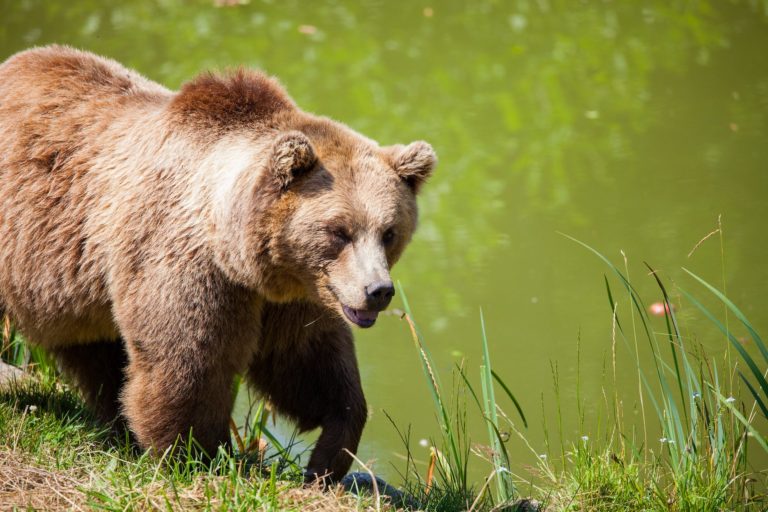
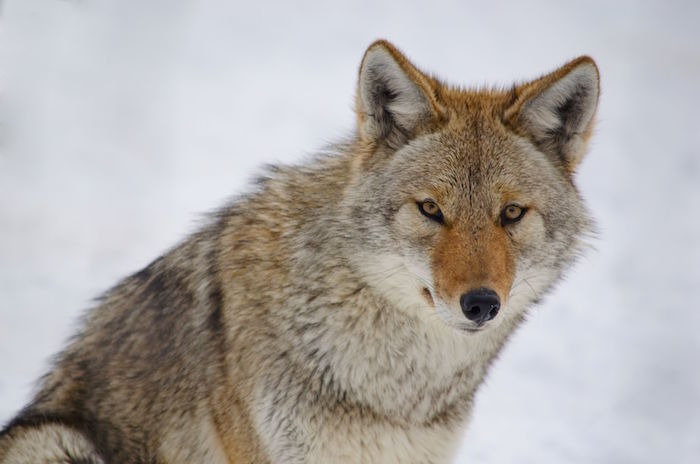
For example, the wolf symbolizes loyalty, teamwork, and intuition, while the bear represents strength, healing, and introspection.
Native Americans consult their animal totems through rituals, ceremonies, and vision quests to receive guidance, wisdom, and healing from the spiritual realm.
Chinese Zodiac and Spirit Animals
The Chinese zodiac is deeply rooted in the belief of spirit animals, assigning each year to an animal sign based on the lunar calendar.
These animals represent different personality traits, characteristics, and fortunes for individuals born under their respective signs.
For example, the Rat symbolizes intelligence, adaptability, and resourcefulness, while the Dragon embodies power, success, and vitality.
People consult their zodiac signs to understand their strengths, weaknesses, and compatibility with others, seeking guidance and insight into various aspects of their lives.
Celtic Animal Symbolism
In Celtic mythology, animals held profound symbolism and significance, often appearing in folklore, art, and religious practices.
Each animal was associated with specific qualities, virtues, and meanings, reflecting the interconnectedness between humans and nature.
For instance, the stag symbolized courage, independence, and spiritual transformation, while the raven represented prophecy, magic, and wisdom.
Celts revered animals as sacred beings that bridged the gap between the earthly and divine realms, embodying the essence of the natural world and spiritual forces.
African Tribal Spirit Animals
African tribes have long embraced the belief in spirit animals as guardians, protectors, and sources of guidance.
Animals are revered for their wisdom, strength, and connection to the spirit world, with each tribe identifying with specific animal totems.
For example, the lion symbolizes courage, leadership, and royalty in many African cultures, while the elephant represents wisdom, stability, and power.
Tribal members invoke their spirit animals through rituals, dances, and ceremonies to seek blessings, protection, and spiritual communion with the animal kingdom.
Mayan and Aztec Animal Deities
In Mayan and Aztec civilizations, animals held sacred significance as symbols of gods, celestial bodies, and natural forces.
These ancient cultures worshipped animals such as the jaguar, serpent, and eagle, attributing divine qualities to them.
The jaguar was associated with power, ferocity, and fertility, symbolizing strength and protection.
The serpent represented rebirth, transformation, and healing, while the eagle embodied vision, wisdom, and connection to the heavens.
Mayans and Aztecs honored these animal deities through elaborate rituals, sacrifices, and ceremonies to appease and communicate with the spiritual realm.
Indian Spirit Animals in Hinduism
Hinduism, one of the oldest religions in the world, incorporates the belief in spirit animals as manifestations of gods and goddesses.
Animals play a significant role in Hindu mythology, symbolizing various deities, virtues, and cosmic forces.
For example, the monkey is associated with Hanuman, the monkey god of strength and devotion, while the cow symbolizes abundance, fertility, and purity.
Hindus revere animals through rituals, offerings, and ceremonies, seeking blessings, protection, and spiritual guidance from their divine counterparts in the animal kingdom.
Aboriginal Dreamtime Animal Totems
Australian Aboriginal cultures have a deep connection to the Dreamtime, a spiritual realm where ancestral beings, animals, and humans coexist in harmony.
Dreamtime stories and legends feature animal totems that symbolize creation, spirituality, and cultural identity for Aboriginal tribes.
Each totem represents a specific animal spirit, such as the kangaroo, emu, or crocodile, embodying unique qualities, wisdom, and guidance for individuals.
Aboriginals honor their animal totems through ceremonies, dances, and rituals to maintain balance, connection, and respect for the natural world and spiritual forces.
Greek Mythology and Animal Spirits
In ancient Greek mythology, animals played a prominent role as symbols of gods, goddesses, and mythical creatures with divine powers.
Each animal represented different qualities, virtues, and aspects of the natural world, reflecting the Greeks’ reverence for the animal kingdom.
For example, the owl symbolized wisdom, prophecy, and protection, associated with the goddess Athena, while the dolphin represented grace, intelligence, and salvation, linked to the god Apollo.
Greeks honored animal spirits through rituals, sacrifices, and ceremonies to invoke their blessings, guidance, and divine favor in various endeavors.
Shamanic Practices and Spirit Animals
Shamanic traditions worldwide incorporate the belief in spirit animals as guides, protectors, and healers in the spiritual realm.
Shamans communicate with animal spirits through rituals, ceremonies, and trance-like states to receive wisdom, healing, and guidance for themselves and their communities.
By embodying the qualities of specific animals, shamans can tap into their power and energy to navigate the complexities of the spirit world and physical realm.
Spirit animals serve as allies and teachers for shamans, offering insight, protection, and transformation on their spiritual journeys.
Conclusion
Ancient cultures worldwide have embraced the belief in spirit animals as symbols of wisdom, guidance, and connection to the natural and spiritual realms.
From the Egyptians and Native Americans to the Chinese and Mayans, each civilization has revered animals as totems, deities, or spiritual guides with unique qualities and meanings.
By honoring and invoking their spirit animals, people seek blessings, protection, and insight into the mysteries of life and the universe.
The significance of spirit animals transcends mere symbolism, delving into the realms of spirituality, self-discovery, and the interconnectedness of all living beings.
Through the wisdom and guidance of their animal allies, individuals can navigate life’s challenges, embrace their true selves, and forge a deeper connection to the divine forces that shape their existence.