Color Healing Practices: Holistic Wellness
Before diving in, please note: This post is for informational purposes only. If you’d like to know more about how we approach topics, feel free to check out our friendly Disclaimer Page.
Hey there, amazing readers! 🖐️ Just a quick note: yes, we know there are a lot of ads here. Trust us, we get it—it’s not the prettiest look, but they help us keep this blog alive and kicking. Those pesky little ads cover the costs of all the behind-the-scenes magic, from hosting and tech stuff to creating content we hope you’ll love.
We’re committed to delivering quality posts, and your support (even just sticking around despite the ads) means everything to us. So, bear with us, and thanks for helping us keep the good vibes rolling. Now, on to the fun stuff! 😉
TRANSLATE BUTTON AT THE END OF THE ARTICLE
A Quick Overview
Color healing therapy, also known as chromotherapy, is a holistic practice that uses different colors to promote physical, emotional, and spiritual well-being.
This ancient technique is based on the belief that each color has specific energy vibrations that can affect our body and mind.
By incorporating colors into our environment, clothing, and even food choices, we can harness their healing properties to restore balance and harmony within ourselves.
In this article, we will delve into the history, benefits, techniques, and practical applications of color therapy for holistic wellness.
Understanding Color Healing Therapy
Color healing therapy is a non-invasive and natural way to improve overall health by balancing the body’s energy centers, also known as chakras.
This practice is based on the principles of energy medicine, which suggest that different colors can stimulate specific responses in the body.
By working with the seven main chakras, color therapy aims to restore harmony and vitality to the physical, emotional, and spiritual aspects of an individual.
History and Origins of Color Healing
Color healing therapy has roots in ancient civilizations such as Egypt, India, and China, where colors were used to treat various ailments.
In the 19th century, scientist Edwin D.
Babbitt conducted research on the healing properties of colors and published a book titled "The Principles of Light and Color." This work laid the foundation for modern color therapy practices that are now used in holistic wellness centers and alternative medicine modalities worldwide.
Benefits of Color Therapy for Wellness
The benefits of color therapy for wellness are numerous and varied.
Some of the key advantages include:
Promoting relaxation and reducing stress
Enhancing mood and emotional well-being
Boosting energy levels and vitality
Improving focus and mental clarity
Supporting the body’s natural healing processes
Balancing the chakras and energy flow
Different Color Associations and Meanings
Each color is associated with specific meanings and properties that can be used in color healing therapy.
Here are some common color associations:
Red: Energy, strength, passion
Orange: Creativity, joy, enthusiasm
Yellow: Intellect, optimism, clarity
Green: Balance, harmony, growth
Blue: Calmness, communication, healing
Purple: Spirituality, intuition, transformation
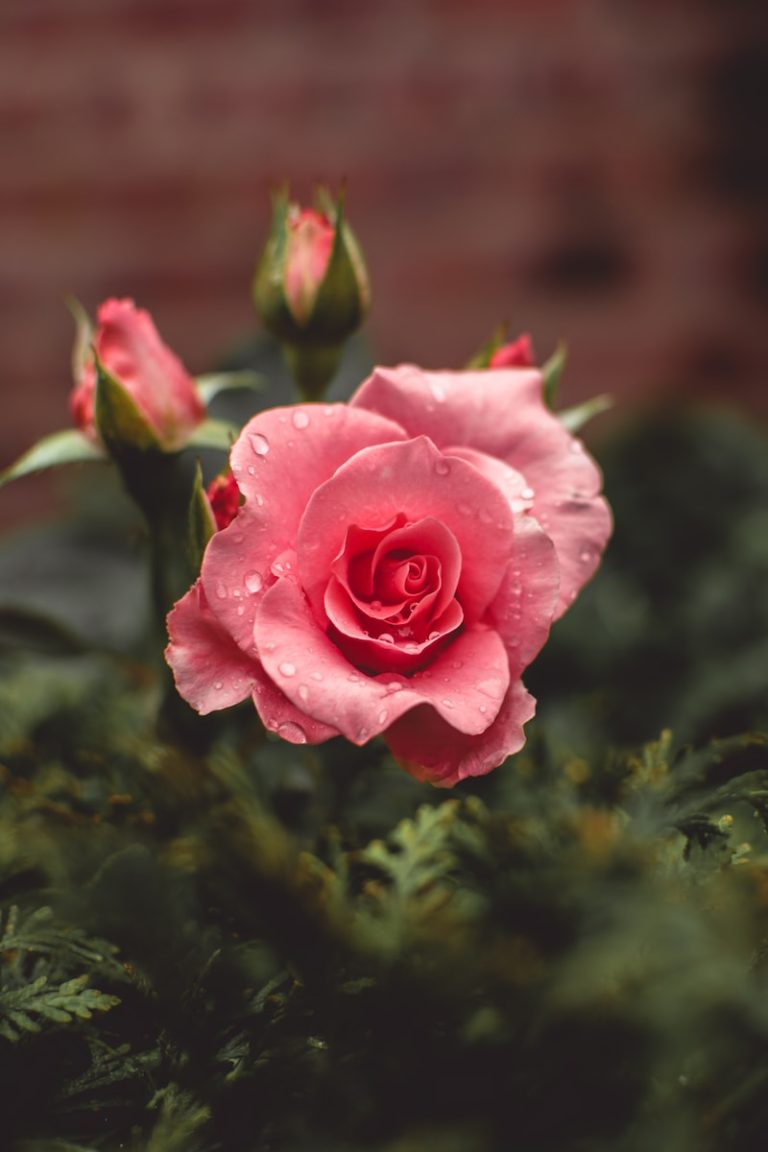
Pink: Love, compassion, nurturing
How Colors Impact our Physical Health
Colors can have a profound impact on our physical health by influencing our mood, energy levels, and overall well-being.
For example, warm colors like red and orange are believed to stimulate the nervous system and increase circulation, while cool colors like blue and green have a calming effect and can reduce blood pressure and anxiety.
By understanding the properties of each color, we can use them to support our body’s natural healing processes.
Psychological Effects of Colors on our Mind
Colors have the power to evoke specific emotions and psychological responses in our mind.
For instance, the color red is often associated with passion and excitement, while blue is linked to tranquility and relaxation.
By surrounding ourselves with colors that resonate with our emotions and intentions, we can create a more harmonious and balanced mental state.
Using Colors to Balance Chakras
In color therapy, each chakra is associated with a specific color that corresponds to its energy center.
By focusing on the corresponding colors for each chakra, we can help to restore balance and harmony within the body.
For example, the root chakra is associated with the color red, while the heart chakra is linked to green.
By visualizing and meditating on these colors, we can support the optimal functioning of our chakras.
Color Therapy Techniques for Holistic Healing
There are various techniques and practices that can be used in color therapy for holistic healing.
Some common methods include:
Color visualization: Imagining a specific color surrounding and permeating the body to promote healing and balance.
Color breathing: Inhaling and exhaling a particular color to cleanse and energize the chakras.
Color bathing: Immersing oneself in colored light or water to absorb the healing properties of a specific color.
Incorporating Color Healing into Daily Life
It is easy to incorporate color healing into our daily lives by making conscious choices about our surroundings, clothing, and food.
Some simple ways to integrate color therapy include:
Wearing clothes in colors that reflect your mood or intentions
Decorating your home or workspace with colors that promote relaxation or productivity
Eating a diverse range of colorful fruits and vegetables to nourish your body and spirit
Popular Color Healing Practices Worldwide
Color healing practices have gained popularity worldwide, with many holistic wellness centers offering color therapy sessions and workshops.
Some of the most popular methods include:
Aura photography: Using specialized cameras to capture an individual’s aura colors and analyze their energy field.
Color light therapy: Using colored lights to stimulate specific energy centers and promote healing and balance.
Crystal therapy: Incorporating colored crystals and gemstones to enhance the effects of color healing.
Combining Color Therapy with Other Modalities
Color therapy can be combined with other holistic modalities such as aromatherapy, sound therapy, and Reiki to enhance its healing effects.
By integrating multiple techniques, individuals can create a personalized healing regimen that addresses their unique needs and goals.
This integrative approach can lead to a more profound and holistic transformation of mind, body, and spirit.
Seeking Professional Help for Color Healing Therapy
While color therapy can be practiced independently, seeking guidance from a trained color therapist or holistic practitioner can provide additional support and insight.
These professionals can assess your individual needs and create a customized color healing plan that aligns with your goals and intentions.
By working with a qualified practitioner, you can maximize the benefits of color therapy and experience profound transformations in your overall well-being.
Conclusion
Color healing therapy offers a unique and effective approach to holistic wellness by harnessing the healing properties of different colors to balance the body, mind, and spirit.
By understanding the history, benefits, techniques, and practical applications of color therapy, individuals can incorporate this ancient practice into their daily lives to promote relaxation, vitality, and harmony.
Whether used alone or in combination with other holistic modalities, color therapy has the potential to support physical health, emotional well-being, and spiritual growth.
Consider exploring the world of color healing to discover its transformative power and enhance your overall quality of life.