
Digital Nomad vs Remote Worker: Key Differences Explained
Before diving in, please note: This post is for informational purposes only. If you’d like to know more about how we approach topics, feel free to check out our friendly Disclaimer Page.
Hey there, amazing readers! 🖐️ Just a quick note: yes, we know there are a lot of ads here. Trust us, we get it—it’s not the prettiest look, but they help us keep this blog alive and kicking. Those pesky little ads cover the costs of all the behind-the-scenes magic, from hosting and tech stuff to creating content we hope you’ll love.
We’re committed to delivering quality posts, and your support (even just sticking around despite the ads) means everything to us. So, bear with us, and thanks for helping us keep the good vibes rolling. Now, on to the fun stuff! 😉
TRANSLATE BUTTON AT THE END OF THE ARTICLE
Introduction
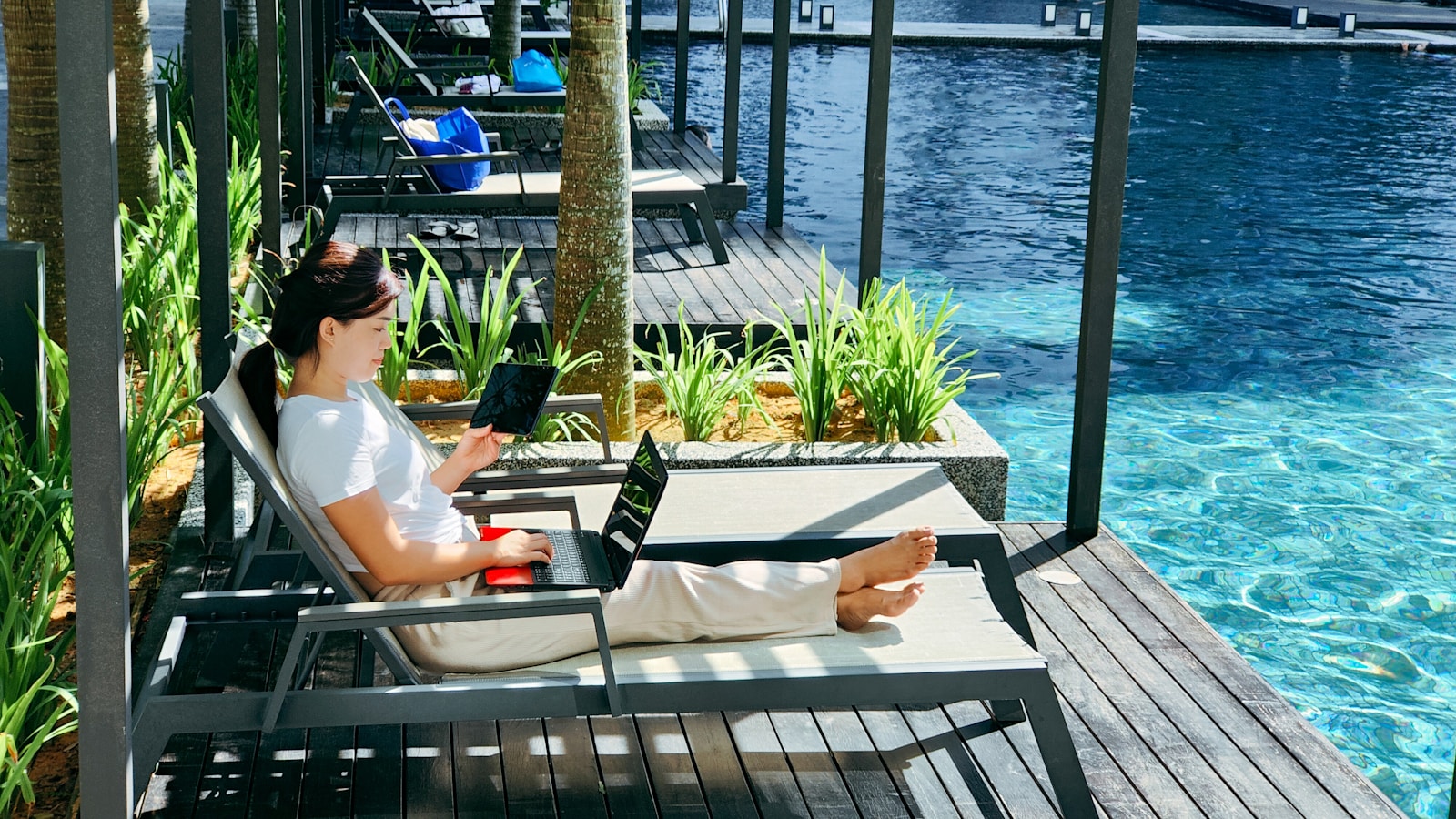
If you have ever scrolled through Instagram and seen someone typing away on their laptop by the beach in Bali, chances are you have stumbled across a digital nomad. On the other hand, if you know someone working from their home office in pajamas with a cup of coffee nearby, that is probably a remote worker. Both lifestyles are part of the modern work revolution, but they are not quite the same.
In this article, let’s break down the differences between digital nomads and remote workers, the benefits of each lifestyle, and how you can decide which one suits you best.
What is a Digital Nomad?
A digital nomad is someone who earns a living online while traveling from place to place. Their laptop is their office, and the world is their workplace. Digital nomads often move between countries or cities, balancing work with adventure.
Key traits of digital nomads:
Work entirely online (freelancing, startups, e-commerce, consulting, creative work).
Travel regularly — sometimes every few weeks or months.
Choose destinations with affordable living costs, good internet, and vibrant communities.
Prioritize flexibility and experiences over long-term stability.
Think: coworking cafes, hostels, and airports becoming second homes.
What is a Remote Worker?
Remote workers are professionals who work outside of a traditional office, usually from home, but sometimes from a coworking space or coffee shop in their own city. Unlike digital nomads, they typically stay in one place for long periods.
Key traits of remote workers:
Work online, but usually for a company or long-term clients.
Have stable routines and a permanent home base.
Benefit from predictable schedules and steady internet access.
Value stability, productivity, and work-life balance.
Think: setting up a home office with an ergonomic chair, fast Wi-Fi, and a strong coffee machine.
Digital Nomad vs remote worker: Lifestyle Differences
While both groups rely on the internet to earn a living, their day-to-day lifestyles look very different.
Work environment
- Digital nomad: coworking spaces, coffee shops, beaches.
Remote worker: home office, coworking hubs in their city.
Stability
- Digital nomad: constantly moving, adjusting to new cultures and time zones.
Remote worker: stable routines, familiar surroundings.
Community
- Digital nomad: connects with other travelers, often temporary friendships.
Remote worker: deeper local relationships, strong sense of home community.
Expenses
- Digital nomad: varies widely depending on location; often budget-friendly in certain countries.
Remote worker: predictable monthly bills, stable cost of living.
Pros of Being a Digital Nomad
Freedom to explore new cultures and places.
Flexibility in lifestyle and work environment.
Opportunities for personal growth and adventure.
Potential for lower living costs in certain destinations.
Cons of Being a Digital Nomad
Unstable internet or work environments.
Constant packing, moving, and adjusting.
Harder to maintain long-term relationships.
Possible visa, tax, or legal challenges.
Pros of Being a Remote Worker
Stability in routines and environment.
Stronger work-life balance with family or community.
Easier access to reliable Wi-Fi and office setups.
Predictable expenses and financial planning.
Cons of Being a Remote Worker
Less travel and adventure.
Risk of isolation if working from home all the time.
Work-life boundaries can blur if not managed well.
Fewer spontaneous experiences compared to nomadic life.
Which Lifestyle is Right for You?
Choosing between being a digital nomad or a remote worker depends on your personality and priorities.
If you value freedom, flexibility, and adventure, digital nomad life might be your calling.
If you value stability, routine, and deeper community roots, remote working may suit you better.
The good news? It does not have to be permanent. Many professionals switch between the two at different stages of life. For example, you might embrace nomadic living in your twenties and settle into remote working later for more stability.
Digital Nomad vs Remote Worker: Comparison Table
| Feature | Digital Nomad | Remote Worker |
|---|---|---|
| Work Location | Anywhere in the world; often coworking spaces, cafes, or travel destinations | Home office, coworking spaces, or a fixed location |
| Stability | Low; constantly changing locations and environments | High; consistent home or city-based setup |
| Community | Temporary connections with fellow travelers | Local community, family, and colleagues |
| Routine | Flexible; depends on travel and lifestyle | Structured; follows regular schedule |
| Travel | Frequent; main lifestyle feature | Occasional; secondary to work responsibilities |
| Expenses | Variable; can be high or low depending on destination | Predictable monthly expenses |
| Pros | Freedom, adventure, flexibility, exposure to new cultures | Stability, work-life balance, reliable infrastructure, strong local relationships |
| Cons | Internet reliability issues, constant relocation, legal/visa challenges | Less travel, potential isolation, blurred work-life boundaries |
Future of Work: Blending Both Worlds
The line between digital nomads and remote workers is becoming blurry. Some companies now encourage “workcations,” where employees travel while working remotely for a set period. Others offer hybrid flexibility: you can travel for months but still maintain a home base.
This flexibility means the future of work is not one-size-fits-all — it is about choosing what feels right for you at each stage of your journey.
Conclusion
Whether you are drawn to the adventurous life of a digital nomad or the stable routine of a remote worker, both lifestyles prove one thing: work no longer has to tie you to a single office. You can shape your career around your lifestyle, not the other way around.
So ask yourself: do you want your laptop to live on a beach table, or on your home office desk? Either way, the choice is yours — and both are proof that the future of work is already here.
