
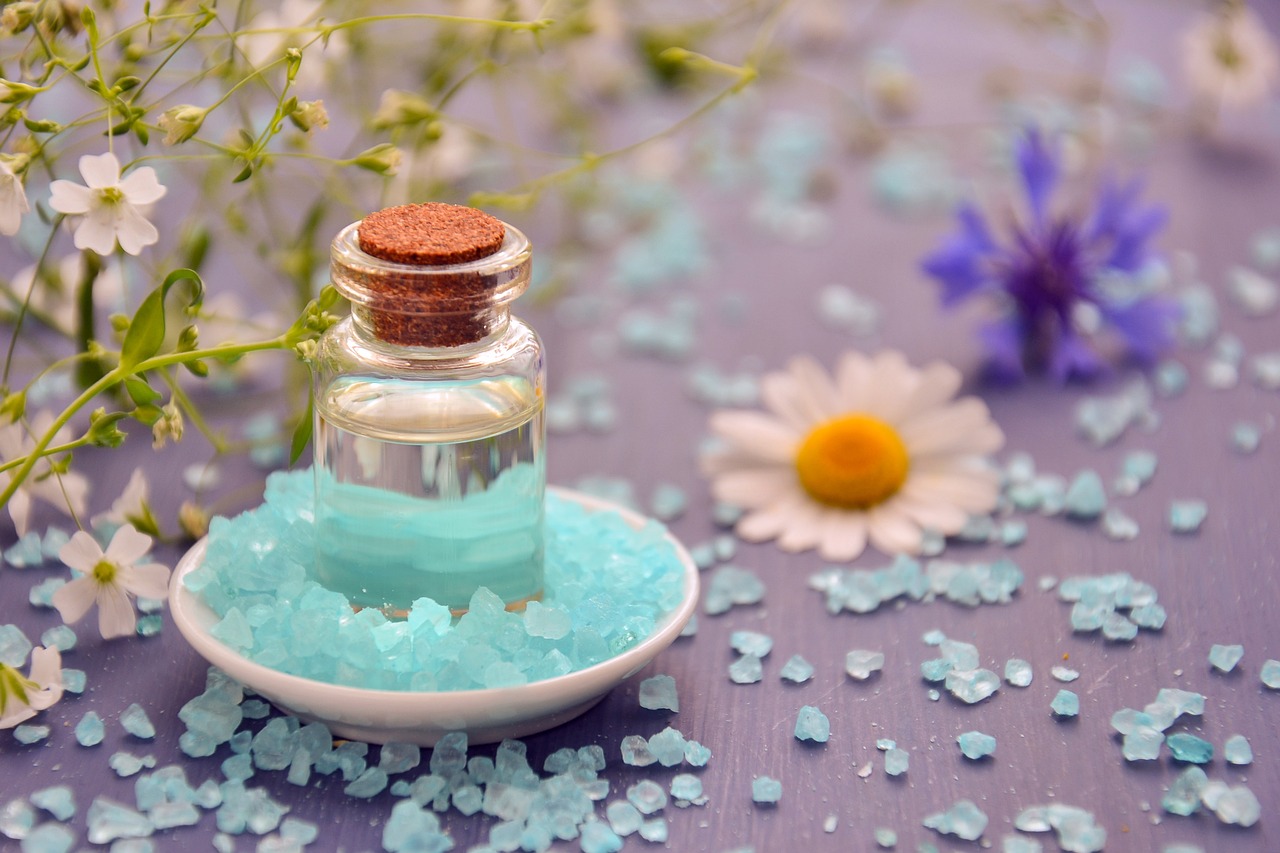
Exploring the Healing Properties of Essential Oils
Before diving in, please note: This post is for informational purposes only. If you’d like to know more about how we approach topics, feel free to check out our friendly Disclaimer Page.
Hey there, amazing readers! 🖐️ Just a quick note: yes, we know there are a lot of ads here. Trust us, we get it—it’s not the prettiest look, but they help us keep this blog alive and kicking. Those pesky little ads cover the costs of all the behind-the-scenes magic, from hosting and tech stuff to creating content we hope you’ll love.
We’re committed to delivering quality posts, and your support (even just sticking around despite the ads) means everything to us. So, bear with us, and thanks for helping us keep the good vibes rolling. Now, on to the fun stuff! 😉
TRANSLATE BUTTON AT THE END OF THE ARTICLE
A Comprehensive Guide to Aromatherapy
Essential oils, the concentrated fragrances extracted from plants, have been used for centuries for their therapeutic and aromatic properties. Today, aromatherapy, the practice of using essential oils to promote well-being, is gaining popularity as a complementary and integrative health approach.
What are Essential Oils?
Essential oils are volatile, highly concentrated aromatic liquids derived from various parts of plants, such as flowers, leaves, seeds, bark, and roots. These oils contain the plant’s essence, capturing its distinct scent and therapeutic properties. Through processes like steam distillation or cold pressing, the essential oils are extracted and purified, resulting in a potent substance with a wide range of potential benefits.
How do Essential Oils Work?
The healing properties of essential oils are attributed to their complex chemical composition. Each essential oil contains a unique blend of organic compounds, such as terpenes, phenols, and esters. These compounds interact with the body in various ways, including:
Stimulating the Olfactory System: When essential oils are inhaled, their odor molecules reach the olfactory receptors in the nose, triggering a series of physiological and emotional responses.
Topical Application: Essential oils can be applied topically to the skin, where they are absorbed and interact with local tissues and cells.
Ingestion: While less common, some essential oils are considered safe for ingestion, either diluted in water or in the form of capsules.
Therapeutic Benefits of Essential Oils
Essential oils have been used to address a wide range of health concerns, including:
Anxiety and Stress: Lavender, chamomile, and bergamot essential oils are known for their calming and relaxing properties, promoting stress reduction and emotional well-being.
Pain Relief: Peppermint, eucalyptus, and ginger essential oils have analgesic effects, potentially easing muscle aches, headaches, and menstrual cramps.
Sleep Enhancement: Lavender, valerian, and clary sage essential oils can promote relaxation and improve sleep quality.
Immune Support: Essential oils like lemon, eucalyptus, and tea tree have antibacterial and antiviral properties, potentially boosting the immune system.
Skin Care: Essential oils like lavender, sandalwood, and frankincense can promote skin health, reduce inflammation, and aid in wound healing.
Incorporating Essential Oils into Your Life
Essential oils can be incorporated into your daily routine in various ways, including:
Diffusion: Use an essential oil diffuser to disperse the fragrance throughout a room, creating a calming and aromatic atmosphere.
Aromatherapy Bath: Add a few drops of essential oil to your bath for a relaxing and therapeutic soak.
Topical Application: Dilute essential oils with a carrier oil, such as coconut oil or jojoba oil, and apply them to the skin for localized benefits.
Massage Therapy: Incorporate essential oils into massage therapy to enhance the relaxation and therapeutic effects of massage.
Homemade Beauty Products: Add essential oils to homemade soaps, lotions, and skincare products for added fragrance and potential benefits.
Safety Considerations
Essential oils are generally safe when used properly, but it is important to follow safety guidelines to avoid potential adverse effects:
Always dilute essential oils with a carrier oil before applying them to the skin.
Perform a skin patch test on a small area before using a new essential oil.
Avoid contact with eyes, mucous membranes, and open wounds.
Keep essential oils out of reach of children and pets.
Consult with a healthcare professional before using essential oils if you are pregnant, breastfeeding, or have any underlying health conditions.
Conclusion
Discover "Beginner's Guide to Essential Oils" 🌿🌺
Essential oils offer a natural and holistic approach to promoting well-being and addressing various health concerns. As with any complementary therapy, it is important to use essential oils safely and responsibly, following proper guidelines and consulting with a healthcare professional when necessary. With mindful use, essential oils can be valuable additions to your self-care routine, enhancing your physical and emotional well-being.
