
Fall Decluttering Checklist for a Calmer Home
Before diving in, please note: This post is for informational purposes only. If you’d like to know more about how we approach topics, feel free to check out our friendly Disclaimer Page.
Hey there, amazing readers! 🖐️ Just a quick note: yes, we know there are a lot of ads here. Trust us, we get it—it’s not the prettiest look, but they help us keep this blog alive and kicking. Those pesky little ads cover the costs of all the behind-the-scenes magic, from hosting and tech stuff to creating content we hope you’ll love.
We’re committed to delivering quality posts, and your support (even just sticking around despite the ads) means everything to us. So, bear with us, and thanks for helping us keep the good vibes rolling. Now, on to the fun stuff! 😉
TRANSLATE BUTTON AT THE END OF THE ARTICLE
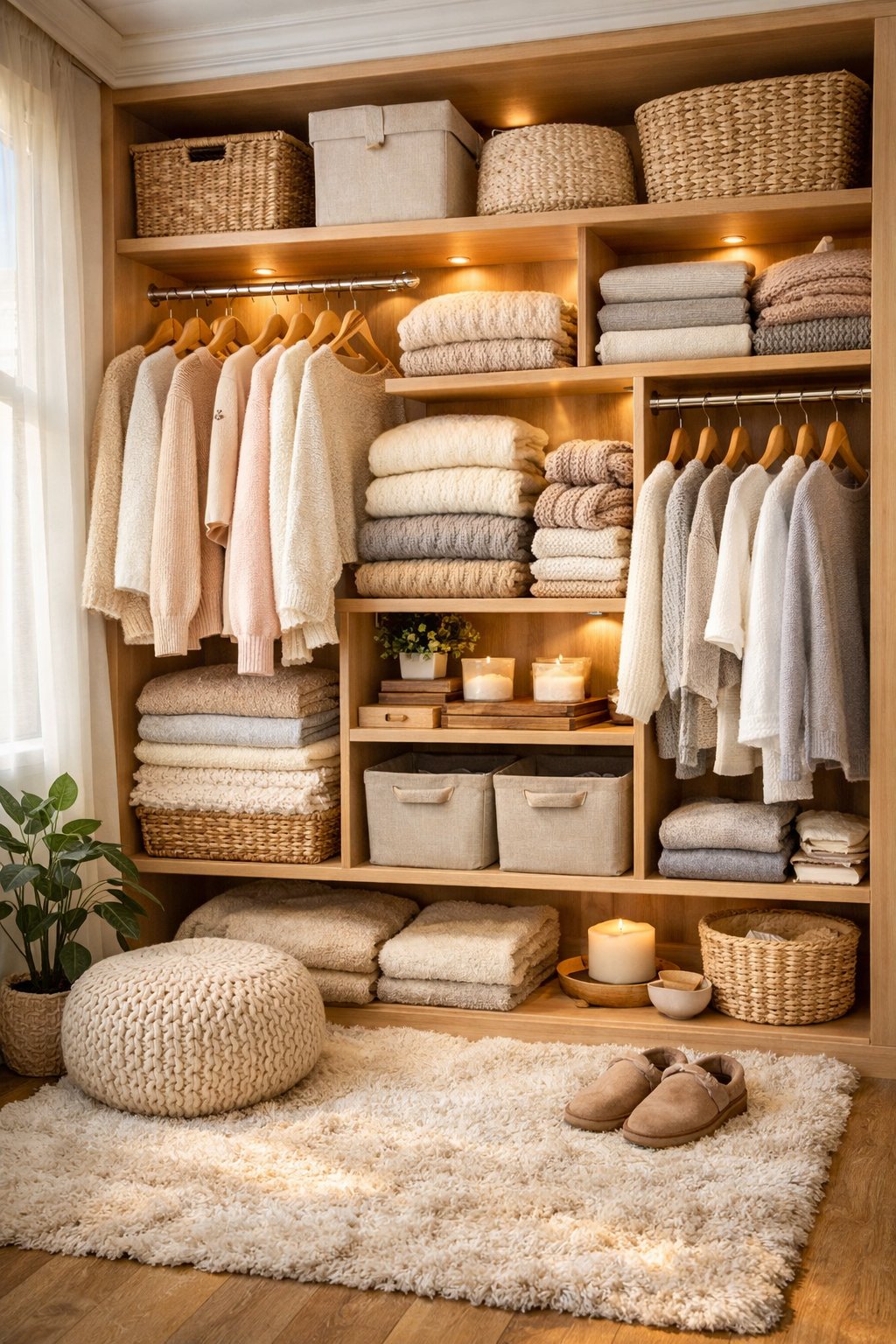


Fall always seems to arrive with an irresistible urge to reset everything.
Suddenly, I want the blankets washed, the closets organized, the kitchen counters cleared, and every mysterious object that has been sitting in the hallway since June to finally find a home.
And honestly, there is something wonderfully satisfying about decluttering at this time of year.
We often associate major home cleanouts with spring, but fall is another natural opportunity to start fresh. Summer activities wind down, routines change, cooler-weather clothes return, and many of us begin spending more time indoors. Then, before we know it, the holidays arrive with decorations, groceries, gifts, visitors, and approximately 4,000 additional things that apparently need somewhere to live.
A simple fall decluttering session can help us get ahead of all that.
This does not have to mean emptying the entire house onto the floor or spending every weekend organizing.
Instead, we’re going room by room and concentrating on the things that make everyday life feel crowded, frustrating, or unnecessarily complicated.
Grab a donation bag, put on something good in the background, and let’s give the house a calmer start to fall.
Start With Four Simple Decluttering Categories
Before tackling individual rooms, prepare four destinations for everything you decide to remove:
Keep
Donate or give away
Sell
Recycle or discard
You can also keep a small basket for things that simply belong somewhere else in the house.
This prevents the classic decluttering problem where we remove clutter from one room and create a beautiful new pile of clutter in another.
Try to make decisions fairly quickly.
Ask yourself:
Do I use this?
Would I choose to buy it again today?
Does it have a practical home?
Is keeping it making my life easier or simply taking up space?
We don’t have to become ruthless minimalists. The goal is simply to make our homes easier to live in.
Declutter the Entryway First
The entryway deserves early attention because fall tends to bring more stuff through the door.
Shoes become bulkier.
Jackets appear.
Umbrellas return.
Bags accumulate.
And somehow the chair near the door becomes a fully functioning clothing department.
Start by removing anything that does not belong there.
Then check:
Shoes you rarely wear
Worn-out sandals from summer
Broken umbrellas
Empty shopping bags
Unused tote bags
Old mail
Receipts
Random keys
Outgrown children’s items
Jackets nobody wears
Bags waiting to be returned somewhere
Create an obvious place for everyday essentials.
A basket can hold scarves or gloves.
A tray can contain keys.
Hooks can keep frequently used bags and jackets off chairs.
A shoe rack or basket can prevent footwear from spreading across the entrance.
Your entryway doesn’t need to look like a perfectly staged photograph. It simply needs to make leaving and returning home easier.
Reset Your Coat Closet
If you have a coat closet, fall is its moment.
Pull out anything that doesn’t belong to the coming season.
Remove empty hangers and clothing nobody wears.
Check pockets before donating anything. You never know when you’ll discover money, an ancient receipt, or evidence that you apparently bought chewing gum in 2022.
Then organize what remains.
Group together:
Everyday jackets
Heavier coats
Scarves
Hats
Gloves
Umbrellas
Boots
Place frequently used items where they are easiest to reach.
Less-used pieces can go higher or farther back.
Most importantly, leave some empty space.
A completely packed coat closet becomes frustrating the moment everyone walks through the door wearing a jacket.
Do a Seasonal Wardrobe Edit
Fall is an ideal time to review clothing because we’re usually changing what we wear anyway.
As you bring sweaters, trousers, jackets, boots, and other cooler-weather pieces back into rotation, look at each item before automatically returning it to the closet.
Ask:
Does it still fit comfortably?
Do I actually like wearing it?
Is it damaged?
Did I avoid it all last fall?
Would I realistically choose it this season?
Donate good-condition clothing you no longer want.
Recycle worn textiles where appropriate.
Set aside anything that genuinely needs repairing and give yourself a deadline to repair it.
And be careful with the fantasy wardrobe.
You know the one.
The trousers waiting for a completely different lifestyle.
The jacket that technically fits but makes you miserable.
The shoes that are gorgeous until they encounter an actual human foot.
Your closet should support the life you’re living now.
Store Summer Clothes Thoughtfully
Anything you will not need for several months can move out of your prime storage areas.
Wash clothing before storing it.
Make sure everything is completely dry.
Fold items neatly and use clean containers or breathable garment storage suitable for the materials.
Label containers if you cannot easily see what’s inside.
You might create categories such as:
Summer tops
Swimwear
Shorts
Beach accessories
Summer shoes
Then place them somewhere less accessible, such as upper shelves, under-bed storage, or another designated seasonal area.
This creates breathing room for the clothing you’ll actually use during fall.
Declutter the Bedroom
I love a cozy fall bedroom, but cozy and cluttered are definitely not the same thing.
Begin with visible surfaces.
Clear the nightstands.
Remove clothes from chairs.
Deal with anything sitting on the floor.
Return dishes and mugs to the kitchen.
Move papers somewhere appropriate.
Then check your bedside drawers.
They have a mysterious ability to collect charging cables belonging to devices nobody has owned since approximately the Bronze Age.
Remove:
Expired products
Old tissues
Broken chargers
Empty packaging
Finished books you don’t want nearby
Unnecessary papers
Random objects without a purpose
Leave your nightstand with only what genuinely supports your evening and morning routines.
A lamp, book, water, charger, or a few personal objects may be plenty.
Refresh Your Bedding and Linen Storage
Fall often means bringing heavier blankets and comforters back into use.
Before doing that, inspect what you own.
Remove linens that are:
Permanently stained
Badly torn
Extremely worn
Uncomfortable
Never used
The wrong size for your current beds
You probably don’t need fourteen questionable pillowcases “just in case.”
Keep enough linens for your household plus a sensible backup.
Then organize sheets by size or by room.
One handy trick is to fold matching sheet sets together or place the folded set inside one pillowcase.
Blankets and comforters can be grouped separately.
Once everything has a defined place, changing bedding becomes much easier.
Calm the Living Room
The living room often becomes the collection point for everyday life.
Books.
Remote controls.
Blankets.
Chargers.
Toys.
Mail.
Cups.
Mystery cables.
And apparently every object someone plans to “deal with later.”
Start with the obvious clutter.
Return misplaced belongings to their correct rooms.
Then examine what actually belongs in the living room.
Remove magazines you’re finished with.
Recycle unnecessary papers.
Donate books you know you won’t read again.
Limit decorative objects if shelves feel overcrowded.
Check baskets and drawers for forgotten items.
Corral remotes and chargers into one spot.
Then make room for the things you’ll enjoy during fall, such as blankets, books, board games, candles, or seasonal decorations.
The goal isn’t to empty the room.
It’s to make the things you love easier to enjoy.
Edit Your Fall Decor Before Decorating
This one can save us money too.
Before buying new autumn decorations, open your existing seasonal storage.
Take everything out and actually look at it.
You may discover decorations you forgot you owned.
Separate anything that is:
Broken
Damaged
Missing pieces
No longer your style
Never used
Difficult to display
Duplicated unnecessarily
Donate usable seasonal decor you no longer enjoy.
Discard pieces that cannot safely be reused.
Then decorate from what’s left before shopping for anything new.
You might realize you already have more than enough.
Your future storage closet will be deeply grateful.
Declutter the Coffee Table and Side Tables
These surfaces can quietly accumulate clutter because they’re so convenient.
Give each one a reset.
Remove receipts, cups, mail, chargers, empty packages, old magazines, toys, and anything else that has wandered there.
Then decide what deserves to stay.
For fall, a coffee table might need only:
A tray
A candle
A small vase
A few books
One seasonal accent
Leaving some empty surface area actually makes seasonal decor stand out more.
And, importantly, there remains somewhere to put your coffee.
We must maintain civilization.
Tackle the Kitchen Counters
Kitchen clutter creates visual noise very quickly.
Look at every appliance and object currently occupying your counters.
Do you use it regularly?
If you make toast every morning, your toaster has earned its place.
If you haven’t used that enormous specialty appliance since buying it two years ago, perhaps it doesn’t need premium countertop real estate.
Remove or relocate:
Appliances used rarely
Duplicate utensils
Old paperwork
Empty containers
Random food packages
Unnecessary decorative objects
Items waiting to be put away
Leave enough clear counter space for actual food preparation.
A kitchen feels surprisingly calmer when you can simply put down a cutting board without rearranging six objects first.
Clean Out the Pantry
Fall cooking tends to bring us back toward soups, baked dishes, cozy breakfasts, and eventually holiday cooking.
A pantry reset makes all of that easier.
Take one shelf at a time.
Check:
Expiration and best-quality dates
Open packages
Stale foods
Duplicate ingredients
Products nobody likes
Almost-empty containers
Mystery packets
Spices you never use
Follow appropriate food-safety guidance when deciding what should be discarded.
Then group remaining foods by category.
For example:
Breakfast
Baking
Pasta and grains
Canned foods
Snacks
Spices
Sauces
Beverages
Put frequently used ingredients at eye level.
And don’t rush to buy matching containers for everything.
Organization should solve a problem, not create an expensive new hobby.
Reset the Refrigerator and Freezer
The changing season is also a good time to see what has been hiding in the refrigerator.
Remove spoiled or unusable foods.
Wipe shelves and drawers.
Check condiments.
Group similar products together.
Then inspect the freezer.
Try to identify everything you already have before buying more.
A simple freezer list can be surprisingly useful, especially if you freeze soups, meats, vegetables, baked goods, or prepared meals.
Using what you already own reduces food waste and makes grocery planning easier.
Declutter Kitchen Drawers
Pick one drawer.
Not all of them simultaneously.
Otherwise your kitchen will briefly look like it has been robbed by someone obsessed with spatulas.
Remove duplicates and broken utensils.
Check that gadgets actually work.
Throw away useless packaging.
Relocate objects that don’t belong in the kitchen.
Then organize what remains based on how often you use it.
Sometimes one properly decluttered utensil drawer feels disproportionately satisfying.
Enjoy the small victories.
Refresh the Bathroom
Bathrooms accumulate tiny products at impressive speed.
Start with the vanity, medicine storage, shower, and drawers.
Look for:
Empty bottles
Expired cosmetics
Old samples
Products you disliked
Worn grooming tools
Duplicate toiletries
Nearly empty containers
Damaged towels
Dispose of medications according to local guidance rather than automatically putting them in household trash or flushing them.
Then group remaining products by purpose.
Keep everyday toiletries easy to reach.
Backups can live elsewhere.
If your bathroom counters are crowded, try leaving only items you use daily.
A clearer counter makes even a small bathroom feel more peaceful.
Review Towels
Pull out the towels you regularly use.
Then inspect the rest.
Keep towels that are absorbent and in reasonable condition.
Very worn towels can sometimes become cleaning cloths or be recycled through textile programs where available.
You don’t need a mountain of backups.
A manageable number of good towels is usually more useful than an overflowing cupboard full of ones nobody actually wants to use.
Deal With the Junk Drawer
Yes.
The drawer.
Every house seems to have one.
A junk drawer can actually be useful when it contains useful miscellaneous things.
The problem starts when it becomes an archaeological site.
Empty it completely.
Throw away obvious trash.
Test pens.
Remove expired coupons.
Recycle dead batteries through appropriate facilities.
Relocate screws, tools, cosmetics, coins, cables, and other objects that have better homes elsewhere.
Then use small containers or dividers to group what remains.
Possible categories include:
Pens
Tape
Scissors
Batteries
Small tools
Measuring tape
Notepads
A junk drawer doesn’t need to disappear.
It just needs to stop fighting back when you open it.
Sort Through Paper Clutter
Paper is one of the fastest forms of clutter because one sheet seems harmless.
Then another arrives.
And another.
Soon there’s a stack that somehow requires emotional preparation before approaching it.
Gather loose papers from around the house.
Create categories:
Action needed
File
Shred
Recycle
Keep temporarily
Deal immediately with anything that takes only a minute or two.
Create one designated location for incoming paperwork so future piles don’t start multiplying across the house.
And avoid keeping papers merely because they look official.
Ask whether you genuinely need the physical copy.
Clear Digital Clutter Too
A calm home can include a small digital reset.
Fall is a nice excuse to tidy the invisible clutter we carry around every day.
You don’t need to organize your entire digital life.
Try:
Deleting unnecessary screenshots
Removing unused apps
Clearing old downloads
Organizing important documents
Unsubscribing from unwanted emails
Deleting obvious duplicate photos
Clearing your computer desktop
Backing up important files
Even twenty minutes can make devices feel less chaotic.
And unlike decluttering the garage, you can do this from the sofa with coffee.
Excellent efficiency.
Reset Your Home Office
If you work from home, your workspace deserves special attention.
Remove anything unrelated to your work.
Clear outdated notes.
Recycle unnecessary printouts.
Test pens.
Organize cables.
Remove broken equipment.
File important paperwork.
Return books to shelves.
Then look at your desk.
Ideally, the items sitting directly in front of you should support what you actually do there.
A calmer workspace won’t magically answer every email for us, unfortunately, but it can make sitting down to work feel much easier.
Declutter Children’s Spaces
If you have children, fall can be a useful time to review clothes, school supplies, books, toys, and craft materials.
Remove:
Outgrown clothing
Broken toys
Dried-out markers
Completed school papers that don’t need keeping
Duplicate supplies
Toys that are no longer age-appropriate
Involving children in age-appropriate decisions can also make it easier to maintain the system later.
Try simple categories such as keep, donate, and recycle.
The goal is not a showroom-perfect bedroom.
It is a room where children can actually find and enjoy their belongings.
Check Your Cleaning Supplies
Open the cabinet where cleaning products live.
Be brave.
Remove empty bottles.
Dispose of products safely according to their labels and local requirements.
Combine duplicates only when doing so is safe and the products are identical. Never mix cleaning chemicals.
Discard worn-out sponges or damaged tools.
Wash reusable cloths.
Check your vacuum attachments.
Then organize frequently used supplies together.
You may discover you don’t need to buy nearly as many cleaning products as you thought.
Give the Laundry Area Some Attention
Laundry areas become clutter magnets because they’re frequently small and constantly used.
Remove empty detergent containers.
Put away clean laundry.
Deal with the lonely socks.
Remove clothes awaiting repairs that are realistically never going to be repaired.
Check baskets for objects that don’t belong there.
Keep only the products you regularly use within easy reach.
Even if your “laundry room” is actually one corner containing a washing machine, a tiny reset can make the routine feel far less chaotic.
Don’t Ignore Storage Areas
Garages, basements, utility rooms, attics, and storage closets are easy to ignore because guests usually don’t see them.
Unfortunately, that’s exactly why clutter loves them.
Do not attempt the entire space in one afternoon unless it is genuinely manageable.
Choose one category.
For example:
Sports equipment
Camping gear
Holiday decorations
Tools
Cleaning supplies
Old electronics
Boxes
Review one category completely before moving on.
This keeps the project from exploding into chaos.
Declutter Outdoor and Summer Items
As summer ends, review whatever accumulated outdoors.
Depending on your home and climate, this might include:
Outdoor cushions
Beach equipment
Gardening supplies
Pool accessories
Picnic gear
Outdoor toys
Planters
Barbecue accessories
Clean anything you plan to store.
Repair what is worth repairing.
Donate usable items you no longer need.
Discard badly damaged objects responsibly.
Storing only things you genuinely want next year makes the next seasonal transition much easier.
Prepare for Holiday Clutter Before It Arrives
One of my favorite reasons to declutter in fall is simple:
December is coming.
And December brings things.
Decorations.
Wrapping paper.
Food.
Packages.
Gifts.
Cards.
Visitors.
More packages.
Mystery boxes that apparently must remain in the hallway for three days.
Creating some empty storage capacity now makes the holiday season much easier.
You don’t need to fill every shelf simply because space exists.
Empty space is useful.
Think of it as storage for your future sanity.
Create a Donation Station
One of the easiest ways to maintain a calmer home is to make decluttering ongoing.
Place a donation bag or box somewhere convenient but discreet.
Whenever you notice something you no longer need, put it inside.
When the container fills, donate the contents.
This is much easier than waiting until clutter becomes serious enough to require a dramatic weekend intervention.
Small decisions add up.
Use the One-In, One-Out Habit
Fall often comes with seasonal shopping.
New sweater?
Consider letting go of an old one you no longer wear.
New blanket?
Check whether another blanket can be donated.
New kitchen tool?
Ask if an older duplicate still deserves space.
It doesn’t need to become a rigid rule.
Think of it more as a gentle reminder that storage space is finite.
Your closet does not secretly expand when you’re not looking.
I have checked.
Give Everything a Home
After decluttering, organizing becomes much easier.
Rather than asking, “Where can I squeeze this?”
Ask:
Where would I naturally look for this?
That’s usually the best home for it.
Store things close to where they’re used.
Blankets near seating.
Keys near the entrance.
Coffee supplies near the coffee maker.
Cleaning supplies where they’re safely accessible for cleaning.
Chargers near the devices they serve.
Simple systems generally last longer because they require less effort.
Avoid Organizing Things You Should Declutter
This deserves its own section because it can save you a lot of money.
Storage containers are not magic.
Sometimes we buy baskets, boxes, bins, dividers, shelving units, and organizers when the real issue is simply that we own too much for the available space.
Declutter first.
Organize second.
Shop for storage last.
You may discover that you already have enough containers once unnecessary belongings leave the house.
This is significantly less exciting for the storage-container industry but very good for your wallet.
Try the 15-Minute Fall Reset
If a whole-house declutter feels overwhelming, forget about doing everything at once.
Set a timer for 15 minutes.
Pick one area.
Work until the timer ends.
That’s it.
Tomorrow, choose another.
You could follow this simple rhythm:
Monday: Entryway
Tuesday: Bathroom drawers
Wednesday: Kitchen counter
Thursday: One clothing category
Friday: Paper clutter
Saturday: Pantry shelf
Sunday: Rest
A few weeks of small sessions can create a dramatic difference without consuming an entire weekend.
Your Quick Fall Decluttering Checklist
Save this section for the next time your home needs a seasonal reset.
Entryway and Closets
Remove unused shoes
Put away summer accessories
Declutter coats and jackets
Sort scarves, hats, and gloves
Clear bags and backpacks
Create a place for keys
Make room for fall footwear
Bedroom
Clear nightstands
Remove clothing from chairs
Declutter bedside drawers
Review seasonal clothing
Donate unwanted clothes
Store summer clothing
Sort bedding
Declutter linen storage
Living Room
Return misplaced items
Remove unnecessary papers
Sort books and magazines
Declutter coffee tables
Organize remotes and chargers
Review blankets and pillows
Edit seasonal decorations
Kitchen
Clear countertops
Review small appliances
Declutter utensil drawers
Clean out the pantry
Check refrigerator contents
Review freezer foods
Remove duplicate kitchen tools
Organize everyday ingredients
Bathroom
Remove empty products
Review cosmetics and toiletries
Clear countertop clutter
Organize drawers
Review towels
Remove unwanted samples
Safely dispose of unwanted medications
Office and Paperwork
Clear the desk
Recycle unnecessary papers
File important documents
Shred sensitive documents
Organize cables
Remove broken stationery
Clear computer downloads
Declutter email subscriptions
Storage Areas
Review summer equipment
Declutter holiday decorations
Remove empty boxes
Sort old electronics
Review tools
Organize seasonal supplies
Prepare donation items
Leave some storage space empty
Finish With a Cozy Fall Reset
Once you’ve decluttered, resist the urge to immediately fill all that beautiful empty space.
Instead, enjoy it.
Vacuum.
Wipe surfaces.
Wash your favorite blanket.
Bring out a few fall pillows.
Add a small pumpkin.
Turn on a warm lamp.
Light a candle safely.
Make yourself a cup of something good.
And look around.
A calmer home isn’t necessarily a home with fewer things than everyone else’s.
It’s a home where the things around us aren’t constantly demanding our attention.
Where we can find what we need.
Where surfaces have room to breathe.
Where opening a closet doesn’t trigger an avalanche.
That last one feels particularly luxurious.
Final Thoughts
Fall gives us a wonderful opportunity to reset before the busiest months of the year.
But your fall decluttering checklist doesn’t need to become another giant project hanging over your head.
Start with the areas that frustrate you most.
Fill one donation bag.
Clear one drawer.
Edit one closet.
Finish one shelf.
Then continue when you have the energy.
Those small decisions gradually create a home that feels lighter, easier to maintain, and more enjoyable to spend time in.
And once the clutter is reduced, all those lovely fall touches we enjoy — cozy blankets, warm lamps, candles, pumpkins, books, and mugs of coffee — have room to shine.
Because sometimes creating a cozier home isn’t about adding something.
Sometimes it’s about finally letting a few things go. 🍂🏡
Watch: Fall Declutter and Organize With Me
For someone who enjoy decluttering alongside someone else, this fall organizing video provides seasonal motivation and practical home-decor organization ideas.
Fall Declutter and Organize With Me | Organizing Home Decor Ideas
