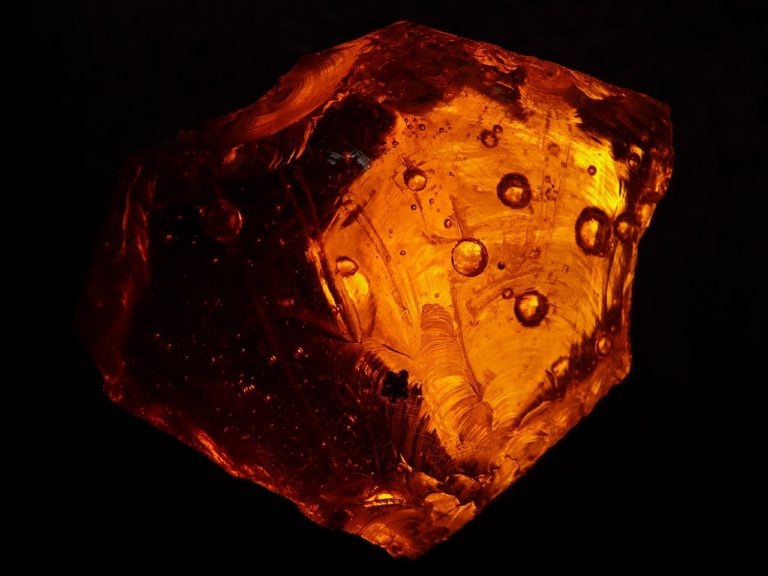
Gilded Gold – Color Meaning and Symbolism
Before diving in, please note: This post is for informational purposes only. If you’d like to know more about how we approach topics, feel free to check out our friendly Disclaimer Page.
Hey there, amazing readers! 🖐️ Just a quick note: yes, we know there are a lot of ads here. Trust us, we get it—it’s not the prettiest look, but they help us keep this blog alive and kicking. Those pesky little ads cover the costs of all the behind-the-scenes magic, from hosting and tech stuff to creating content we hope you’ll love.
We’re committed to delivering quality posts, and your support (even just sticking around despite the ads) means everything to us. So, bear with us, and thanks for helping us keep the good vibes rolling. Now, on to the fun stuff! 😉
TRANSLATE BUTTON AT THE END OF THE ARTICLE
Overview
Gilded gold is a color that exudes elegance, luxury, and opulence.
It is a shade of gold that has been enhanced with a shiny, reflective finish, resembling the appearance of gold leaf.
This rich hue has captivated civilizations throughout history, symbolizing wealth, power, and divine qualities.
Understanding the meaning and symbolism behind gilded gold can provide us with insights into its cultural significance and psychological effects.
Moreover, incorporating gilded gold into design and aesthetics can bring a sense of grandeur and sophistication to any space.
Gilded Gold Throughout History
Gilded gold has held great significance throughout history, particularly in ancient civilizations such as Egypt, Greece, and Rome.
In these cultures, gold was associated with the gods and was considered divine.
It represented the sun, prosperity, and immortality.
The use of gilded gold in ancient architecture, temples, and tombs showcased the wealth and power of the ruling elite.
The art of gilding, the process of applying gold leaf to surfaces, was highly esteemed and reserved for the most important structures and objects.
During the Renaissance period, gilded gold continued to be highly valued.
It adorned the elaborate palaces, churches, and works of art commissioned by the wealthy and influential.
The use of gilded gold in religious art, such as altarpieces and iconography, symbolized the sacred and transcendent qualities of the divine.
This precious metal was also used in the decoration of royal jewelry, crowns, and thrones, emphasizing the regal stature of monarchs.
Cultural Perspectives on Gilded Gold
The cultural perspectives on gilded gold vary across different societies and time periods.
In Western cultures, gilded gold has long been associated with wealth, prestige, and luxury.
It represents success, abundance, and material prosperity.
The use of gilded gold in architecture, furniture, and fashion has been synonymous with opulence and elegance.
In Eastern cultures, such as China and Japan, gold has been revered for its symbolic meaning.
In Chinese culture, gold represents good fortune, prosperity, and abundance.
It is often used in traditional celebrations and ceremonies, symbolizing wealth and success.
In Japanese culture, gold is associated with the sun and is considered a sacred color.
It symbolizes purity, illumination, and enlightenment.
Symbolic Meanings Associated with Gilded Gold
The symbolic meanings associated with gilded gold are diverse and multifaceted.
It is often associated with the sun, representing warmth, light, and life.
Gold is also connected to power, authority, and divine qualities.
In many cultures, gilded gold is seen as a symbol of wisdom, enlightenment, and spiritual growth.
Additionally, gilded gold symbolizes wealth, prosperity, and abundance.
It is often associated with material success and financial gain.
The color exudes confidence, self-worth, and achievement.
Gilded gold can also represent love, compassion, and generosity.
It is a color that evokes positive emotions and a sense of fulfillment.
Psychological Effects of Gilded Gold on Behaviors
The psychological effects of gilded gold on behaviors are intriguing.
As a color associated with wealth and luxury, the presence of gilded gold can evoke feelings of prestige and self-importance.
It can enhance confidence, motivation, and ambition.
Surrounding oneself with gilded gold can create an environment that promotes success and prosperity.
Moreover, gilded gold has a calming effect on the mind and promotes a sense of well-being.
It is a color that is often associated with happiness, joy, and positivity.
The reflective nature of gilded gold can also create a sense of spaciousness, making rooms appear larger and more welcoming.
Incorporating Gilded Gold into Design and Aesthetics
Incorporating gilded gold into design and aesthetics can add a touch of elegance and sophistication to any space.
Whether it is used in architecture, interior design, or fashion, gilded gold can create a sense of luxury and opulence.
Here are some ways to incorporate gilded gold into various design elements:
Furniture and Decor: Add gilded gold accents to furniture, such as chairs, tables, and mirrors, to create a focal point and elevate the overall aesthetic.
Lighting fixtures: Choose gilded gold chandeliers, sconces, or lamps to create a warm and inviting ambiance.
Wall coverings: Use gilded gold wallpaper or paint to create a statement wall or add a touch of glamour to a room.
Accessories: Incorporate gilded gold accessories, such as vases, trays, or picture frames, to add a touch of luxury to any space.
Fashion and Jewelry: Wear gilded gold accessories or clothing to make a bold fashion statement and exude confidence and elegance.
Art and Artifacts: Display gilded gold artworks or artifacts to create a sense of history, culture, and refinement in a space.
Conclusion
Gilded gold is a color that has captivated civilizations throughout history.
Its association with wealth, power, and divine qualities has made it highly valued and sought after.
Understanding the meaning and symbolism behind gilded gold can provide insights into its cultural significance and psychological effects.
By incorporating gilded gold into design and aesthetics, one can bring a sense of grandeur and sophistication to any space.
Whether used in architecture, interior design, fashion, or art, gilded gold continues to evoke a sense of opulence, elegance, and success.