
Global Seasoning Options: Elevate Every Dish with World Flavors
Before diving in, please note: This post is for informational purposes only. If you’d like to know more about how we approach topics, feel free to check out our friendly Disclaimer Page.
Hey there, amazing readers! 🖐️ Just a quick note: yes, we know there are a lot of ads here. Trust us, we get it—it’s not the prettiest look, but they help us keep this blog alive and kicking. Those pesky little ads cover the costs of all the behind-the-scenes magic, from hosting and tech stuff to creating content we hope you’ll love.
We’re committed to delivering quality posts, and your support (even just sticking around despite the ads) means everything to us. So, bear with us, and thanks for helping us keep the good vibes rolling. Now, on to the fun stuff! 😉
TRANSLATE BUTTON AT THE END OF THE ARTICLE
Ever notice how the same chicken breast can taste completely different depending on what you sprinkle on it? That is the magic of global seasoning options. A simple blend of herbs, spices, and aromatics can transport us from a cozy kitchen to a busy market halfway across the world.
If you love cooking (or even just love eating), exploring international seasonings is one of the easiest ways to expand your flavor game without learning complicated techniques. Let’s take a flavorful journey together and see how the world seasons its food.
Key Takeaways
Global seasoning options reflect cultural traditions, climate, and local agriculture.
Most seasonings combine herbs, spices, salt, and sometimes dried aromatics.
You can use international seasonings beyond their traditional dishes.
Homemade seasoning blends offer fresher flavor and customizable heat levels.
Proper storage helps maintain aroma and potency.
A small amount of seasoning can dramatically change the personality of a dish.
What Are Global Seasoning Options?
Global seasoning options include spice blends, herb mixes, dry rubs, and powdered flavor combinations rooted in different cuisines around the world.
Unlike single spices such as paprika or cumin, these seasonings are balanced combinations designed to create signature flavor profiles. Some are smoky. Others are citrusy, earthy, sweet, or fiery. Many achieve a beautiful balance of all of the above.
When we cook with these blends, we are working with generations of culinary experience packed into a jar.
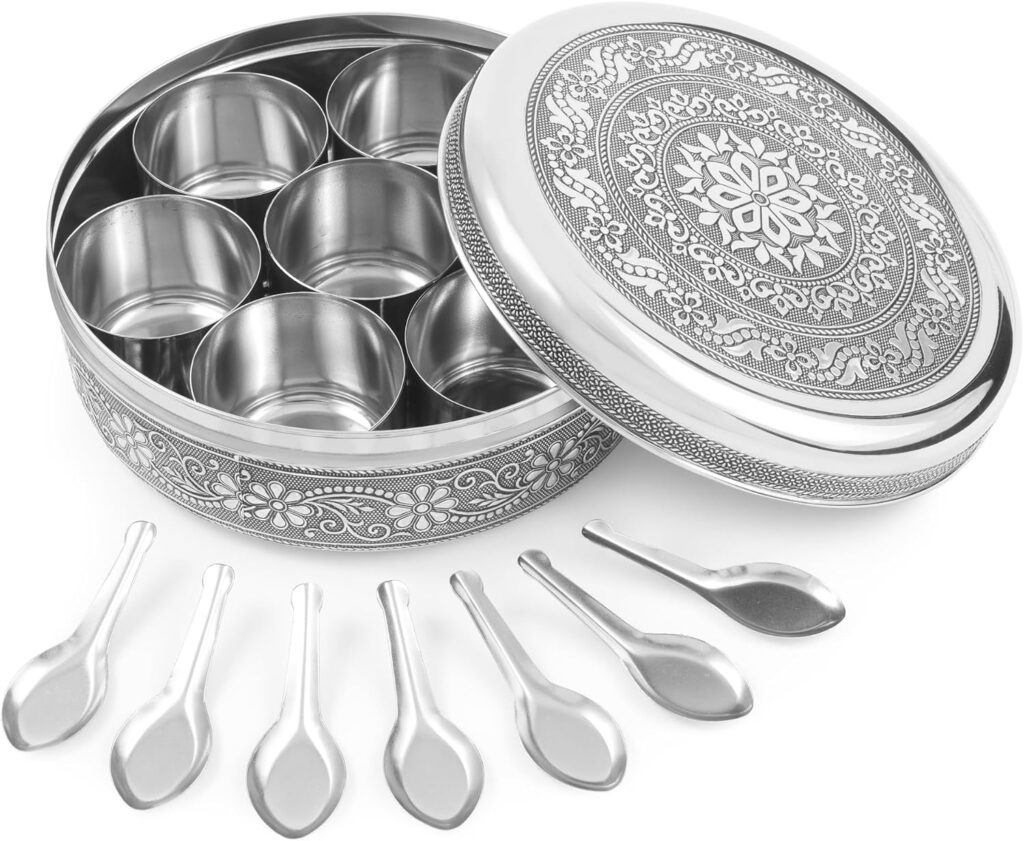
Designer Spice Container –
Why Seasonings Define Regional Cuisine
Every region of the world has distinct seasoning habits. Geography plays a major role. Warmer climates often feature bold, aromatic spices. Mediterranean regions lean into herbs and citrus. Asian cuisines often balance sweet, salty, sour, and spicy elements.
Seasonings:
create recognizable flavor identities
preserve culinary heritage
simplify complex flavor layering
help home cooks recreate authentic dishes
Think about it. One spoonful of the right blend can instantly make food taste “authentic,” even if you are cooking in your apartment on a Tuesday night.
Summary Table of Popular Global Seasonings
| Seasoning | Origin | Key Ingredients | Flavor Profile | Common Uses |
|---|---|---|---|---|
| Adobo | Philippines | Garlic, soy, vinegar, bay leaf | Savory, tangy | Chicken, pork |
| Chimichurri | Argentina | Parsley, garlic, oregano, vinegar | Fresh, herbaceous | Grilled steak |
| Togarashi | Japan | Chili, orange peel, sesame | Spicy, citrusy | Noodles, rice |
| Cajun Seasoning | United States | Paprika, cayenne, garlic | Smoky, spicy | Seafood, chicken |
| Harissa | Tunisia | Chili, garlic, cumin | Fiery, earthy | Stews, roasted vegetables |
| Fines Herbes | France | Parsley, chives, tarragon | Light, herbal | Eggs, fish |
| Suya Spice | Nigeria | Ground peanuts, chili, ginger | Nutty, spicy | Grilled meats |
| Shawarma Spice | Middle East | Cumin, turmeric, cinnamon | Warm, aromatic | Wraps, lamb |
Let’s explore a few of these in more depth.

Adobo Seasoning from the Philippines
Philippines
Adobo is both a cooking method and a flavor profile. The seasoning leans heavily on garlic, vinegar, soy sauce, and bay leaves.
The result? Savory, slightly tangy, and deeply comforting. It is traditionally used for braised meats, but I have used it on roasted vegetables and even tofu. It works beautifully.
Chimichurri from Argentina
Argentina
Chimichurri is technically more of a sauce, but its dry seasoning base is equally powerful. Parsley, garlic, oregano, olive oil, and vinegar create a bright, punchy blend.
It pairs famously with grilled beef, but honestly, drizzle it over roasted potatoes and thank me later.
Togarashi from Japan
Japan
Also known as Shichimi Togarashi, this Japanese seasoning includes chili flakes, sesame seeds, dried citrus peel, and sometimes seaweed.
It delivers gentle heat with a citrus twist. Sprinkle it on noodles, soups, or even popcorn. Yes, popcorn. We are not afraid of bold choices here.
Cajun Seasoning from the United States
United States
Originating in Louisiana, Cajun seasoning is smoky and spicy. It typically includes paprika, cayenne, garlic powder, onion powder, and black pepper.
It is perfect for seafood boils, grilled chicken, or even scrambled eggs. Add a dash, and suddenly breakfast feels like a Southern celebration.
Harissa from Tunisia
Tunisia
Harissa is often sold as a paste, but the dry spice base is equally important. Chili peppers, cumin, coriander, and garlic form its backbone.
It is bold. It is fiery. It wakes up any dish that feels sleepy.
How to Choose the Right Seasoning for Your Dish
Choosing a seasoning does not have to be complicated.
Consider:
protein vs. vegetables
desired heat level
cooking method such as grilling, roasting, or braising
whether you want bold or subtle flavors
If your dish tastes flat, it probably needs acid or salt. If it tastes dull, it might need spice. A pinch can change everything.
Homemade vs. Store-Bought Seasonings
There is no shame in store-bought blends. They are convenient and accessible.
However, homemade blends:
allow control over salt content
taste fresher
can be customized for dietary needs
often cost less when made in bulk
To make your own:
buy whole spices when possible
toast lightly to enhance aroma
grind fresh
store in airtight containers
Once you start blending your own, it feels like a culinary superpower.
Storage Tips to Preserve Flavor
Seasonings lose potency over time.
To keep them vibrant:
store away from direct sunlight
avoid heat and moisture
keep lids tightly sealed
replace after six to twelve months
If the aroma is weak, the flavor will be too. Trust your senses.
Creative Ways to Use Global Seasonings
You do not have to stick to traditional recipes.
Try:
seasoning roasted nuts
mixing into yogurt dips
adding to olive oil for bread dipping
sprinkling over popcorn
blending into salad dressings
Cooking should feel playful. Think of seasoning as your flavor paintbrush.
Health Benefits of Common Seasoning Ingredients
Many global seasonings include spices known for potential health benefits.
For example:
garlic supports immune health
turmeric contains anti-inflammatory compounds
ginger aids digestion
chili peppers may boost metabolism
Seasonings are not medicine, but they add both flavor and nutritional value to meals.
Frequently Asked Questions
What is the difference between seasoning and spice?
A spice is a single ingredient. Seasoning usually refers to a combination of spices, herbs, and sometimes salt.
Are global seasonings always spicy?
No. Many are aromatic or herbal rather than hot.
Can I substitute one seasoning for another?
You can, but the flavor profile will change. Try matching similar base ingredients.
How long do seasoning blends last?
Typically six to twelve months when stored properly.
Should seasoning blends be refrigerated?
No. Keep them in a cool, dry pantry.
Are global seasonings healthy?
Most contain natural herbs and spices with potential health benefits.
Can I use these seasonings for vegetarian dishes?
Absolutely. They enhance vegetables, legumes, and grains beautifully.
Do seasoning blends contain salt?
Some do. Always check labels or adjust if making your own.
What is the most versatile global seasoning?
Cajun seasoning and shawarma spice are both extremely adaptable.
Can I reduce the heat level in spicy blends?
Yes. Simply decrease the chili content when making your own mix.
Why toast spices before blending?
Toasting enhances aroma and deepens flavor.
Are fresh herbs better than dried in seasoning blends?
It depends on the recipe. Dried herbs are more concentrated and store longer.
Final Thoughts
Global seasoning options are one of the simplest ways to transform everyday meals into something memorable. You do not need complicated techniques or expensive ingredients. Just curiosity and a willingness to experiment.
Next time dinner feels boring, reach for something new. A pinch of the right blend can turn an ordinary dish into a passport-worthy experience. And honestly, who does not want a little adventure on their plate?
