
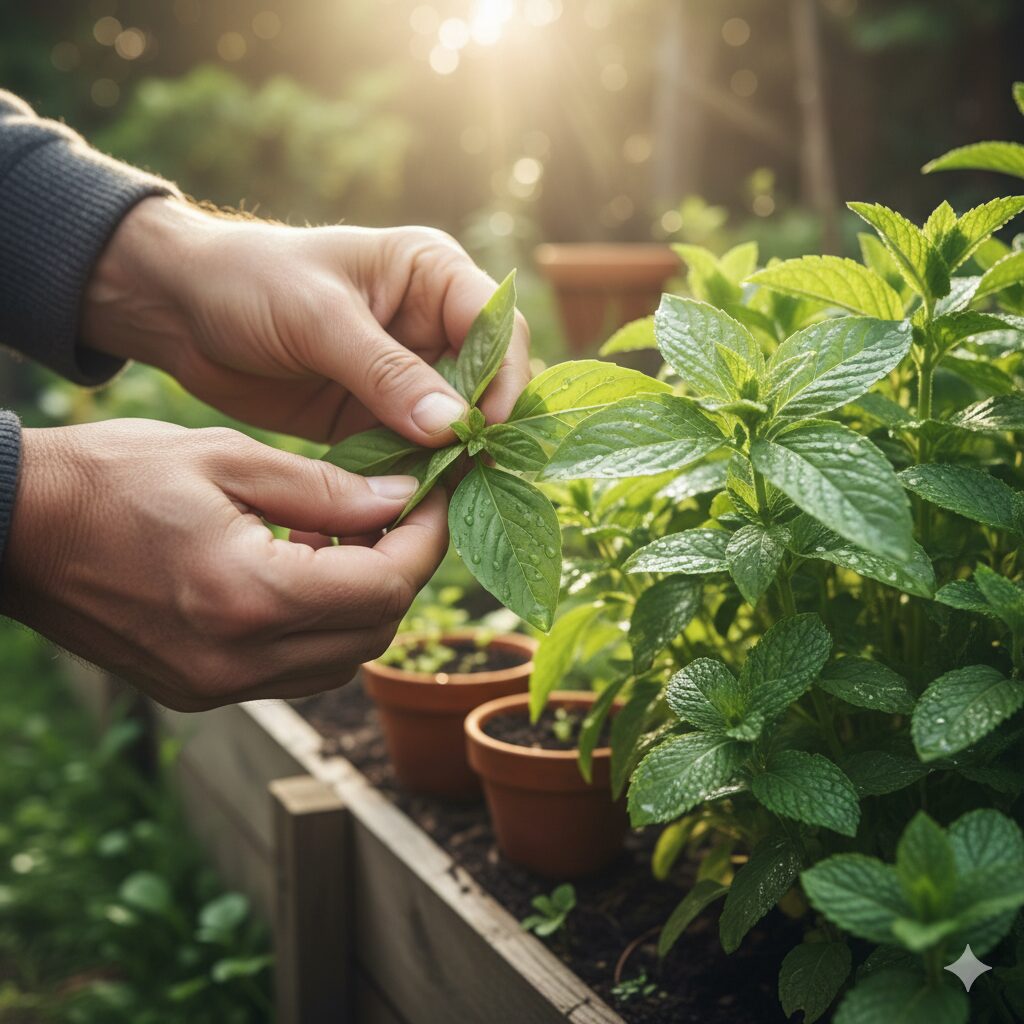
How and When to Harvest Herbs: A Complete Guide
Before diving in, please note: This post is for informational purposes only. If you’d like to know more about how we approach topics, feel free to check out our friendly Disclaimer Page.
Hey there, amazing readers! 🖐️ Just a quick note: yes, we know there are a lot of ads here. Trust us, we get it—it’s not the prettiest look, but they help us keep this blog alive and kicking. Those pesky little ads cover the costs of all the behind-the-scenes magic, from hosting and tech stuff to creating content we hope you’ll love.
We’re committed to delivering quality posts, and your support (even just sticking around despite the ads) means everything to us. So, bear with us, and thanks for helping us keep the good vibes rolling. Now, on to the fun stuff! 😉
TRANSLATE BUTTON AT THE END OF THE ARTICLE
Herbs are one of the most rewarding plants to grow, offering both beauty and practicality. But when it comes to harvesting, timing and technique are everything! Picking your herbs at the right time ensures they’re bursting with flavor and nutrients. In this guide, we’ll explore how and when to harvest herbs for optimal results, along with tips for keeping them fresh long after you’ve picked them.
Why Harvesting Herbs at the Right Time Matters
Harvesting herbs isn’t just about plucking leaves or stems. It’s about capturing the plant’s essential oils at their peak. These oils are what give herbs their unique aroma and taste, so harvesting at the right time ensures the best flavor and potency.

When to Harvest Herbs
Timing your herb harvest depends on the type of herb and the stage of its growth.
General Harvesting Guidelines
Morning is best: Harvest herbs early in the morning after the dew has dried but before the sun gets too hot.
This is when essential oils are most concentrated.
Before flowering: Most herbs have the strongest flavor just before they start flowering.
Once they bloom, the plant shifts its energy to producing seeds, which can dilute the flavor.
For continuous growth: Harvest herbs regularly to encourage new growth and prevent the plant from becoming woody or overgrown.
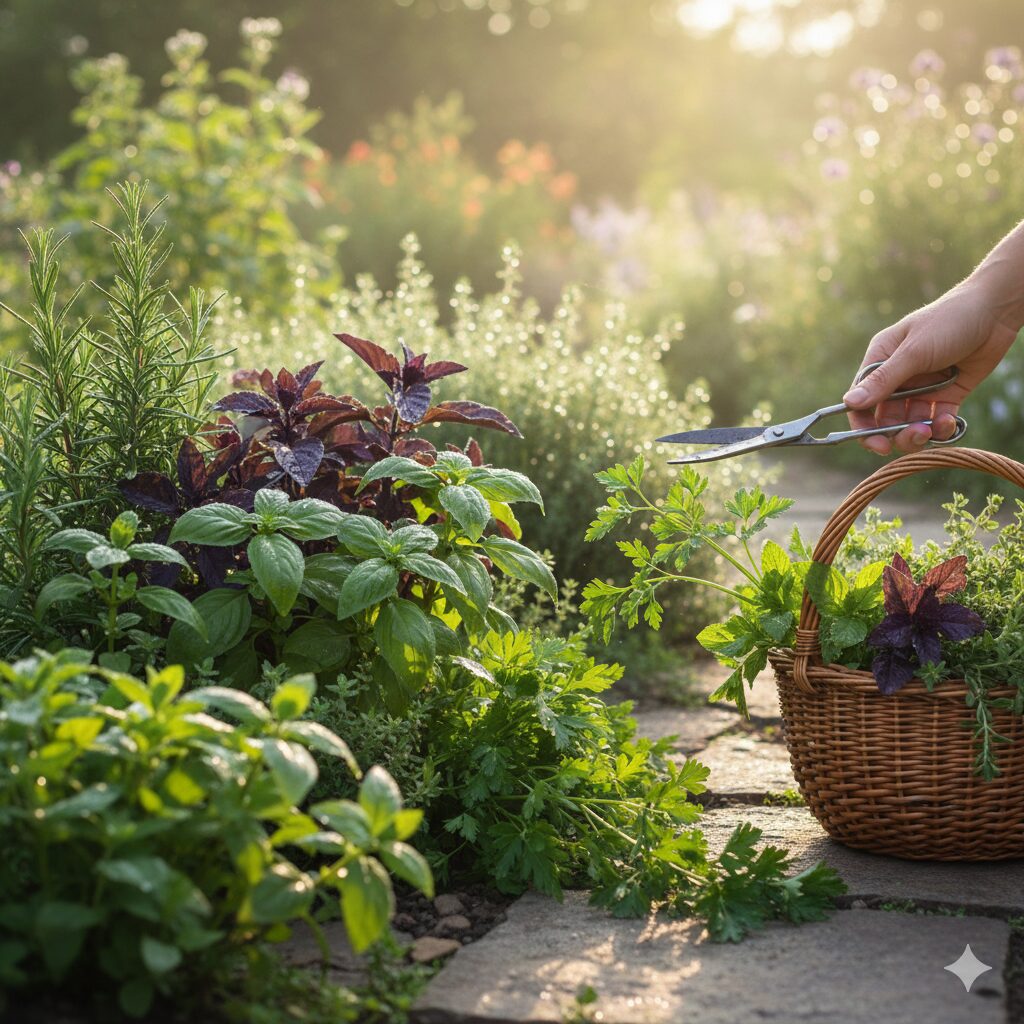
Annual Herbs
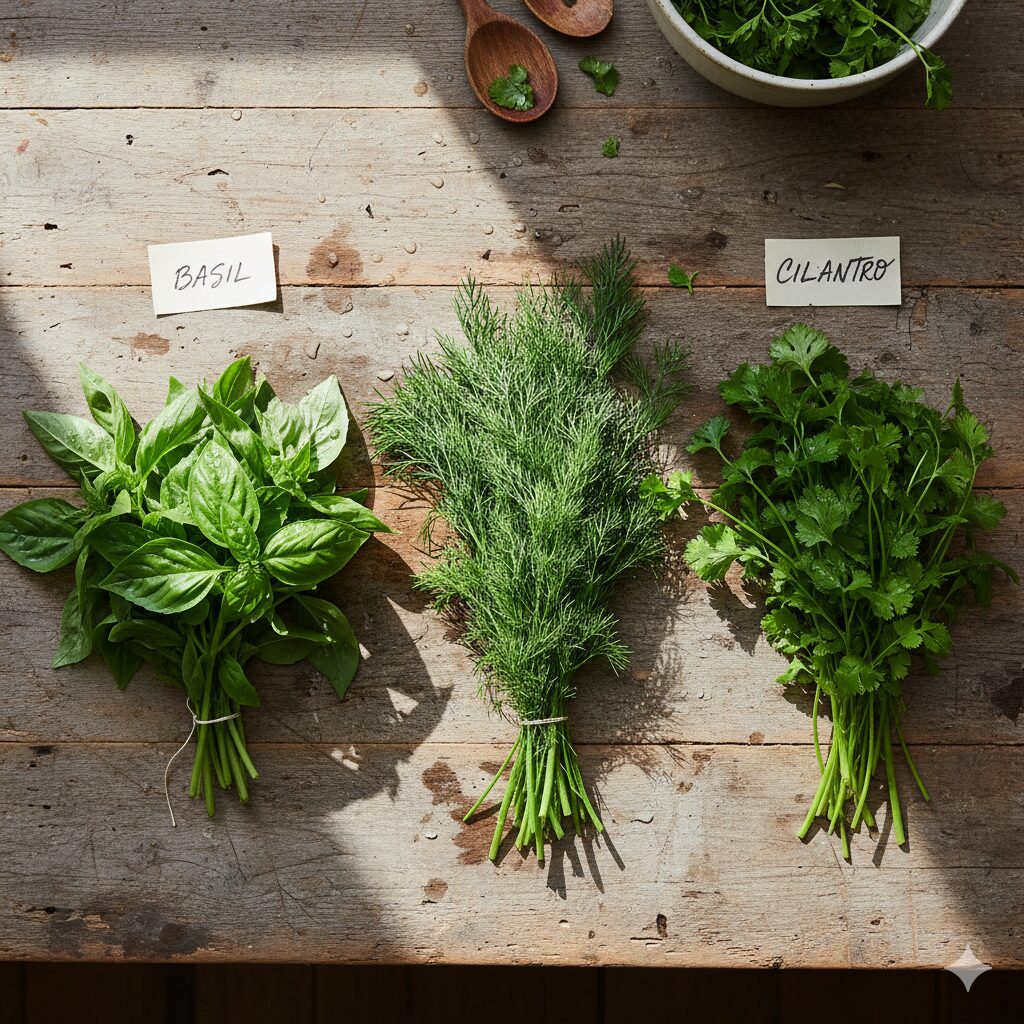
Basil: Harvest before it flowers, when the leaves are tender and vibrant.
Pinch off flower buds to extend the growing season.
Cilantro: Pick leaves early, as the plant bolts quickly in hot weather.
Dill: Harvest leaves early but wait for seeds to mature if you plan to use them.
Perennial Herbs
Thyme: Harvest any time during the growing season but avoid cutting back too much late in the year.
Mint: Pick leaves regularly throughout the season to keep the plant bushy.
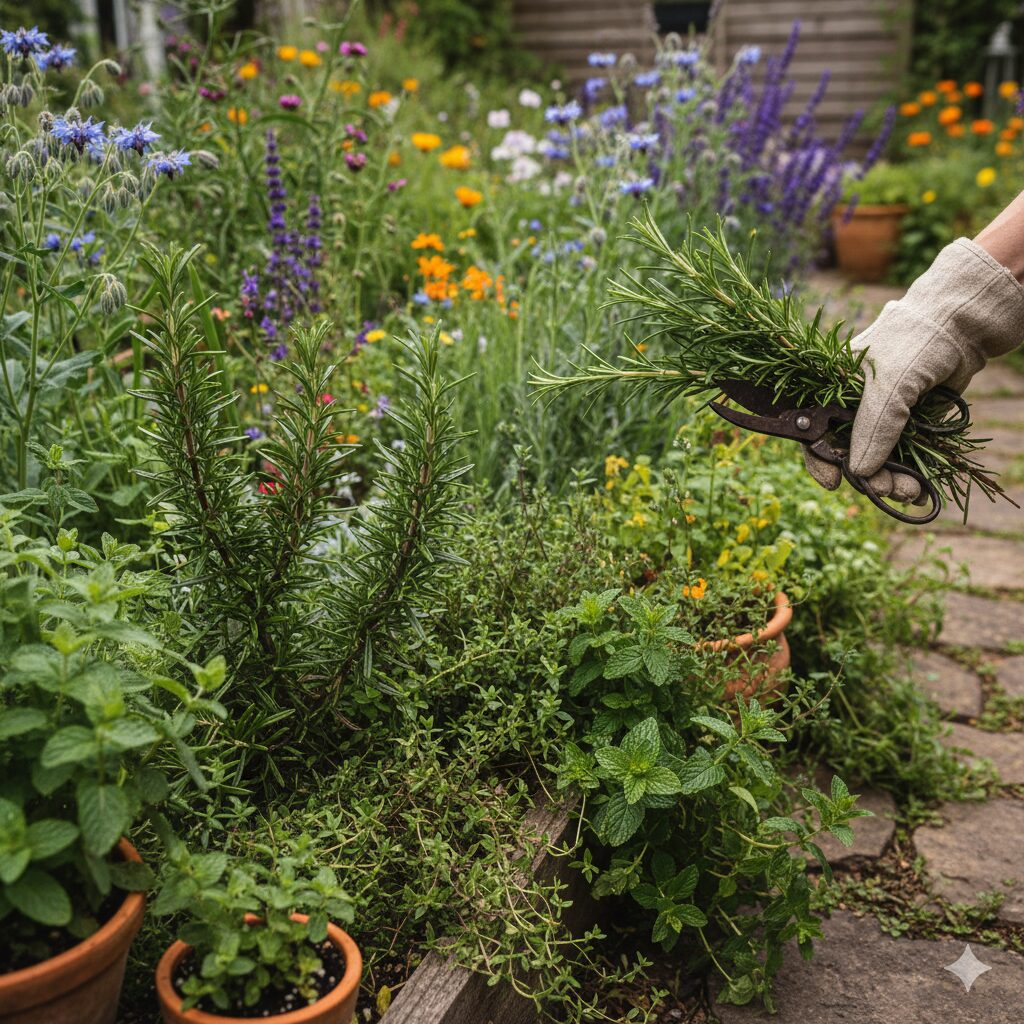
Rosemary: Snip sprigs as needed, but avoid heavy pruning in late fall to protect winter growth.
How to Harvest Herbs
Using proper techniques when harvesting ensures the health of your plants and the quality of your herbs.
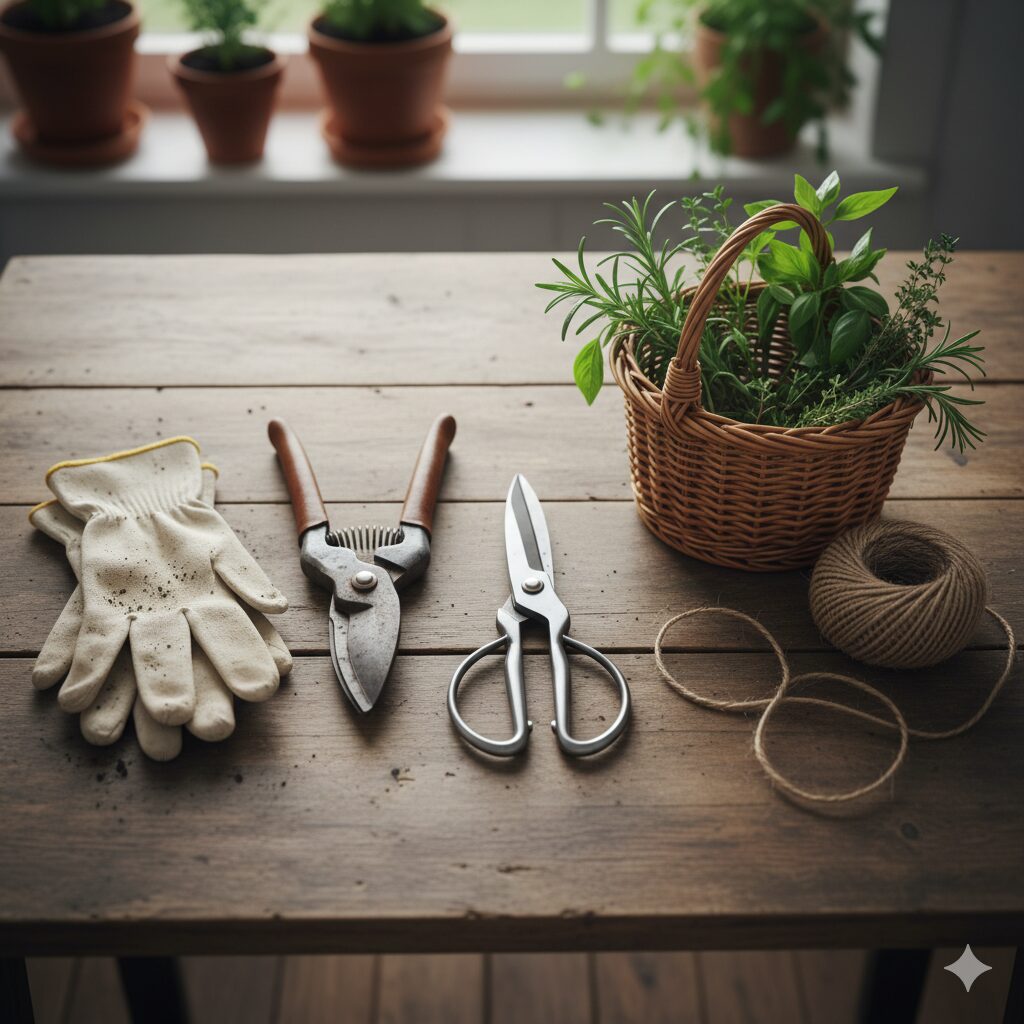
Tools You’ll Need
Clean, sharp scissors or pruning shears
A basket or bowl for collecting herbs
Gloves (optional for handling prickly or resinous herbs)
Harvesting Steps
Choose the healthiest parts of the plant: Look for vibrant, pest-free leaves and stems.
Cut above a leaf node: This encourages new growth.
For most herbs, leave at least one-third of the plant intact to ensure it continues thriving.
Avoid over-harvesting: For perennial herbs, only take up to one-third of the plant at a time to prevent stress.

Special Harvesting Tips for Popular Herbs
Basil: Pinch off leaves from the top of the plant to encourage bushier growth.
Avoid stripping the lower leaves entirely.
Parsley: Snip the outer stems first, leaving the inner ones to grow.
Chives: Cut the leaves down to about 1 inch above the soil.
They’ll regrow quickly.
How to Store Freshly Harvested Herbs
Once you’ve harvested your herbs, proper storage is key to preserving their flavor and aroma.
Short-Term Storage
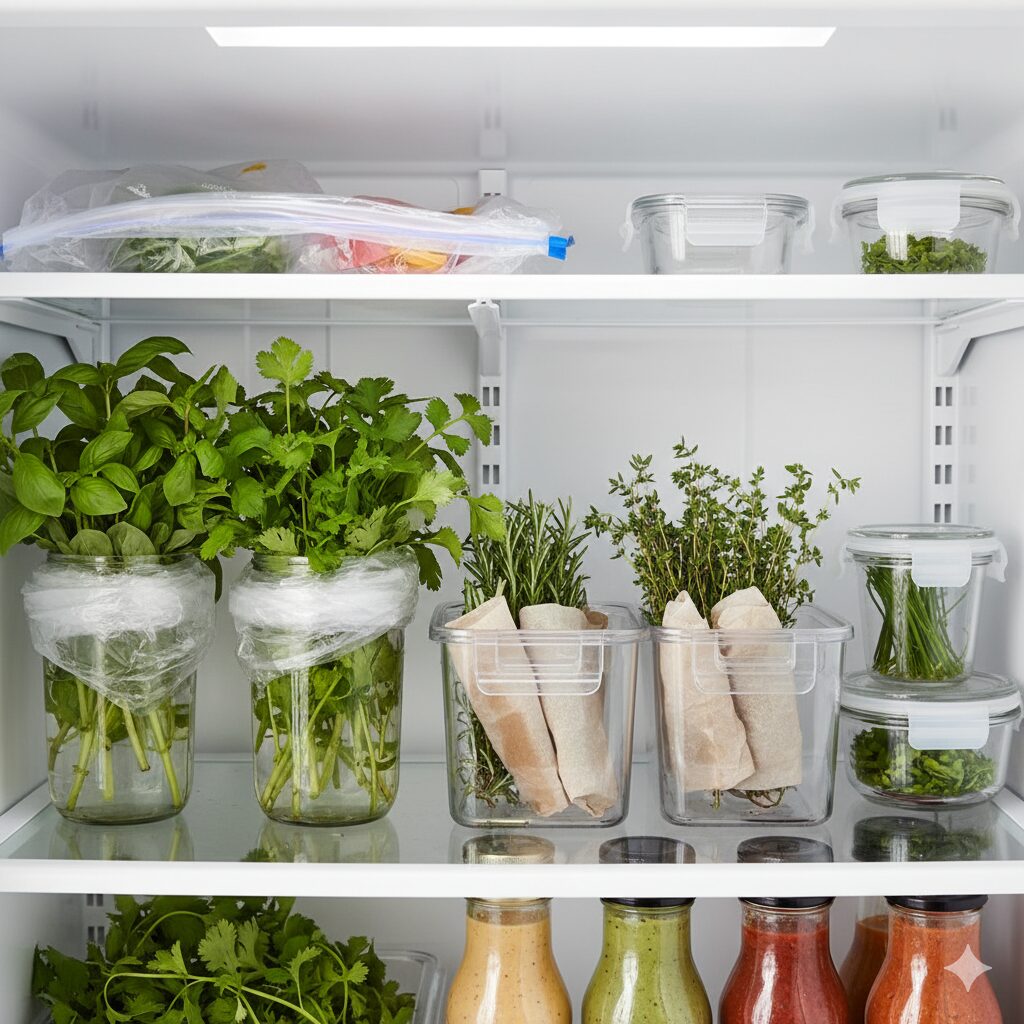
Refrigeration: Wrap herbs in a damp paper towel and place them in a plastic bag or airtight container.
This keeps them fresh for up to a week.
Water jar method: Place herb stems in a jar of water, like a bouquet, and cover with a plastic bag.
Store in the fridge for up to 10 days.
Long-Term Storage
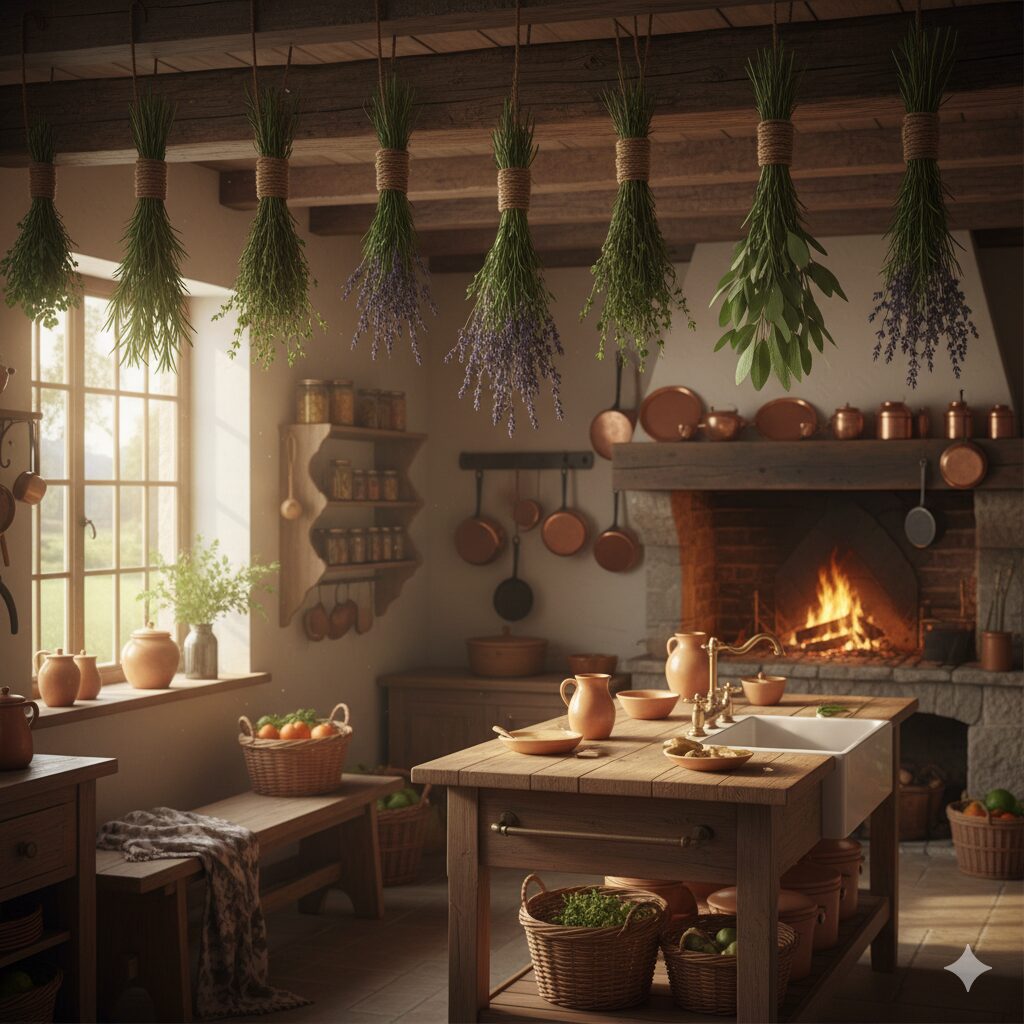
Drying: Hang herbs upside down in a well-ventilated area away from direct sunlight.
Once dried, store in airtight containers.
Freezing: Chop herbs and freeze them in ice cube trays with water or olive oil for easy use in recipes.
Common Mistakes to Avoid
Waiting too long to harvest: Herbs lose their potency once they flower or begin to wilt.
Over-harvesting: Taking too much at once can stress the plant and reduce future growth.
Using dirty tools: Always use clean scissors or shears to prevent spreading disease to your plants.
Benefits of Regularly Harvesting Herbs
Promotes growth: Regular harvesting encourages your herbs to grow bushier and produce more leaves.
Prevents flowering: Frequent trimming keeps herbs in their vegetative stage, maintaining their flavor.
Enhances plant health: Removing dead or damaged leaves reduces the risk of pests and disease.
Seasonal Considerations for Herb Harvesting
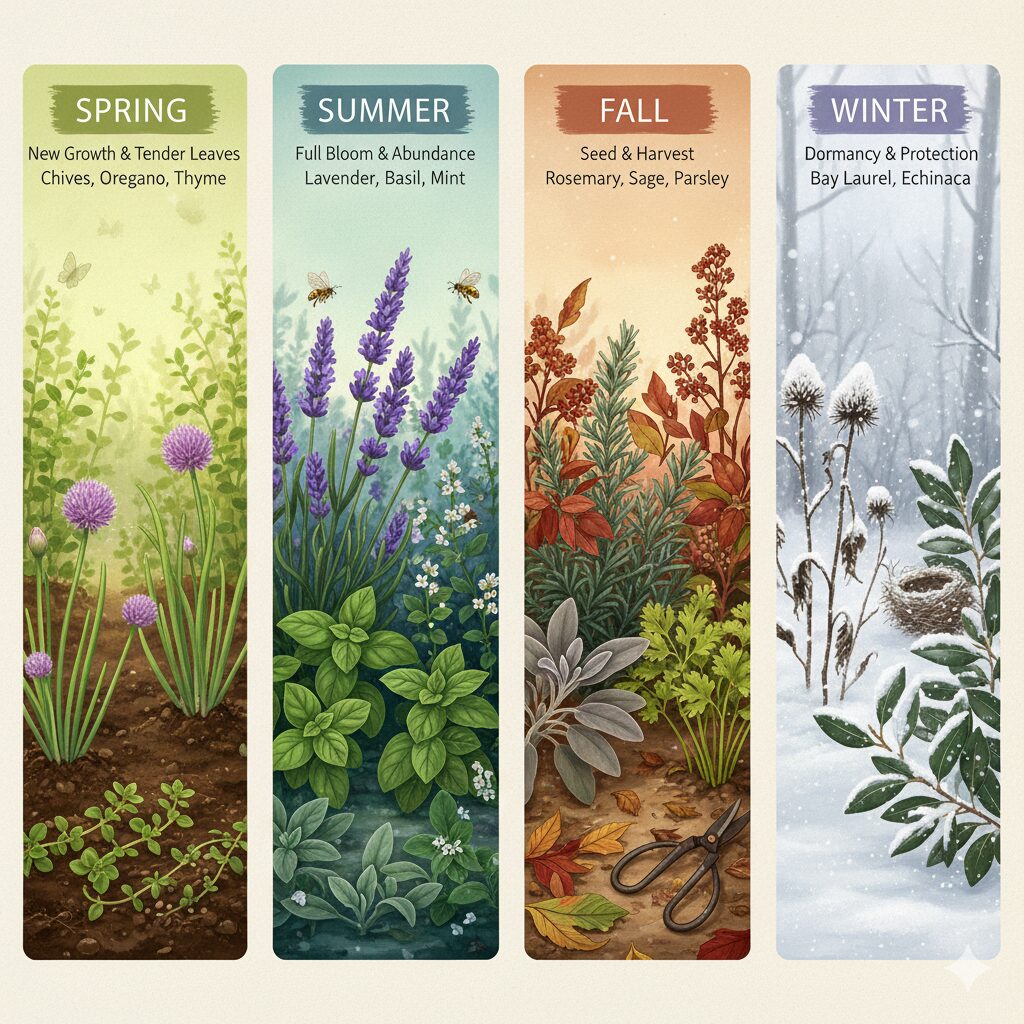
Spring
Focus on leafy herbs like basil and parsley.
Their rapid growth makes spring an ideal time to start harvesting.
Summer
Harvest herbs like dill and cilantro early, as they tend to bolt in the heat.
Keep an eye on plants like mint, which may need frequent trimming.
Fall
Collect perennials like rosemary and thyme before the first frost.
You can also cut and dry herbs for winter use.
Winter
For indoor herb gardens, harvest sparingly to avoid stressing plants that grow more slowly in cooler months.
Conclusion
Harvesting herbs is both an art and a science, but it’s easy to master with a little practice. By knowing when and how to pick your herbs, you’ll enjoy the freshest flavors and aromas in your cooking. Plus, regular harvesting keeps your garden healthy and productive all season long.
So, grab your scissors and start harvesting—your herbs (and your taste buds) will thank you!
