
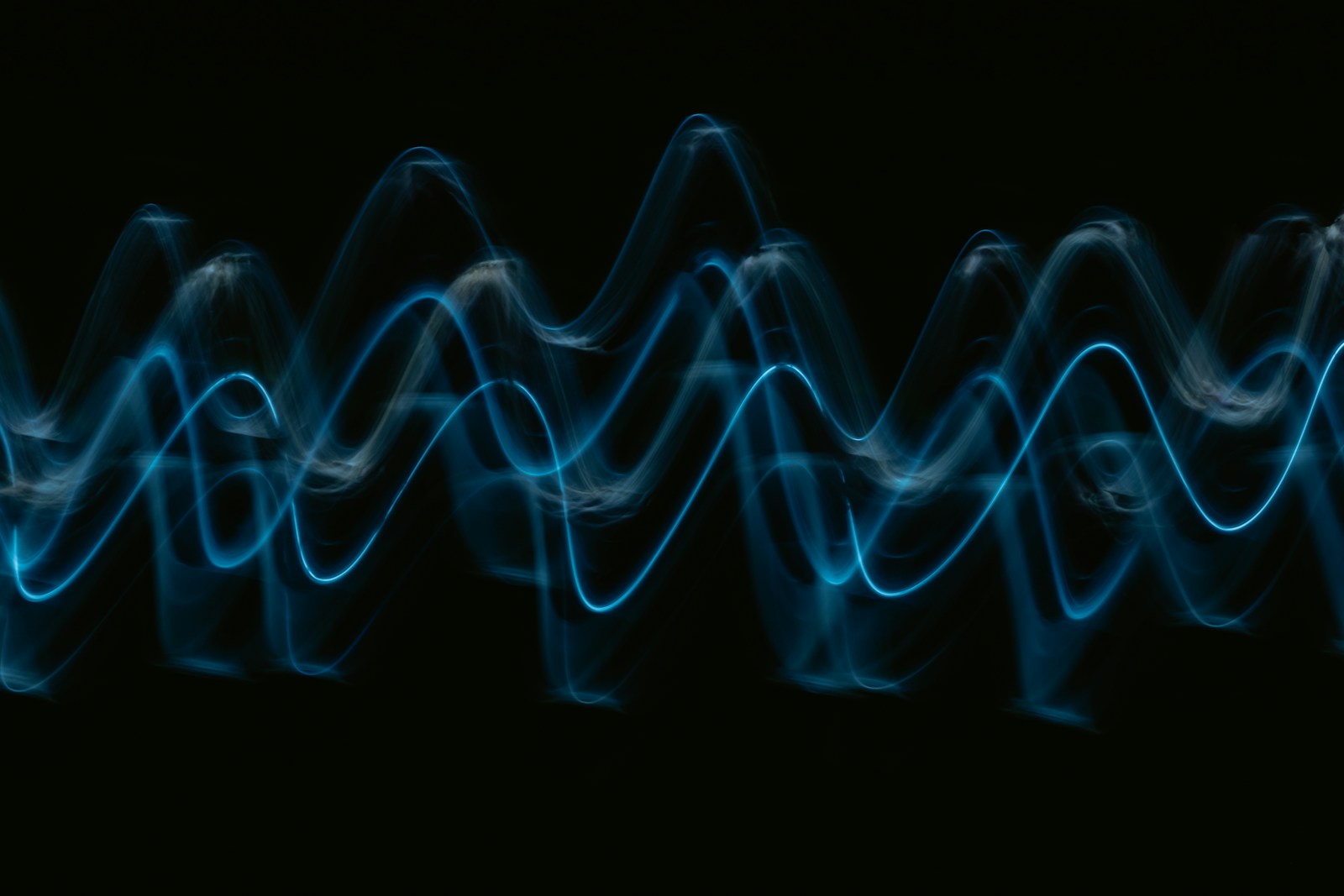
How Sound Frequencies Shape Subtle Energy Fields
Before diving in, please note: This post is for informational purposes only. If you’d like to know more about how we approach topics, feel free to check out our friendly Disclaimer Page.
Hey there, amazing readers! 🖐️ Just a quick note: yes, we know there are a lot of ads here. Trust us, we get it—it’s not the prettiest look, but they help us keep this blog alive and kicking. Those pesky little ads cover the costs of all the behind-the-scenes magic, from hosting and tech stuff to creating content we hope you’ll love.
We’re committed to delivering quality posts, and your support (even just sticking around despite the ads) means everything to us. So, bear with us, and thanks for helping us keep the good vibes rolling. Now, on to the fun stuff! 😉
TRANSLATE BUTTON AT THE END OF THE ARTICLE
Introduction
If you have ever felt goosebumps during your favorite song or calmness from a gentle chant, you already know sound has a strange power over us. But here is where it gets really fascinating: sound does not just affect our mood, it can also shape the invisible energy fields around us.
This article takes you into the science-meets-spirituality space where sound frequencies interact with subtle energy. Whether you are a curious beginner, a meditation lover, or someone exploring vibrational healing, you will find insights here that connect the dots between sound, energy, and well-being.
Quick Takeaway (TL;DR)
Sound frequencies can influence subtle energy fields.
Different frequencies align with states like relaxation, focus, or healing.
Practices like chanting, sound baths, and binaural beats show real-world applications.
Science and spirituality meet through vibration and resonance.
What Are Subtle Energy Fields?
Subtle energy fields are thought to be invisible layers that surround and interact with the body. Many traditions call them by different names—prana, chi, or aura. While science has not yet fully proven these fields, many people report feeling energetic shifts during practices like reiki, meditation, or sound therapy.
How Do Sound Frequencies Affect Energy?
Sound is vibration, and vibration carries energy. When sound waves interact with our body and mind, they can create resonance—kind of like how one guitar string can cause another to hum.
Low frequencies often bring grounding and relaxation.
Mid-range frequencies may stimulate creativity and emotional balance.
High frequencies are linked with heightened awareness and clarity.
This resonance does not just feel soothing; it can also influence the way our subtle energy flows.
Can Beginners Tap Into This Power?
Yes! You do not need expensive tools to start exploring sound and energy.
Chanting or humming: A natural way to create vibration in your body.
Binaural beats apps: Useful for focus, meditation, or sleep.
Sound baths: Group sessions with singing bowls, gongs, or chimes.
Even five minutes of listening to a frequency-based meditation can shift how you feel.
Table: Common Frequencies and Their Effects
| Frequency (Hz) | Common Association | Reported Effect |
|---|---|---|
| 40 Hz | Brainwave synchronization | Improves focus and memory |
| 432 Hz | Natural resonance | Promotes relaxation and balance |
| 528 Hz | “Love frequency” | Linked with healing and harmony |
| 963 Hz | Pineal activation | Supports spiritual awareness |
Real-World Example: Sound Baths
Imagine lying down, surrounded by crystal bowls and gongs, as sound waves wash over you. Many participants describe feeling lighter, calmer, or more energized afterward. These group sessions are becoming popular in wellness centers because they combine community, relaxation, and vibrational healing.
How Does Science View This?
While subtle energy is still debated, research does show that sound can reduce stress, improve sleep, and support healing. Studies on brainwave entrainment suggest that frequencies like binaural beats influence focus and relaxation.
So even if you are skeptical about “energy fields,” the measurable benefits of sound are undeniable.
How-To: Using Sound Frequencies in Daily Life
Start your morning with a 432 Hz meditation track.
Hum or chant during stressful moments to self-soothe.
Try a weekly sound bath or gong meditation.
Experiment with binaural beats for productivity or sleep.
FAQs
What frequency is best for relaxation?
432 Hz and 528 Hz are commonly used for calming and balancing effects.
Can sound really heal?
Sound therapy supports stress relief and emotional balance. While it may not replace medical treatment, many use it as a complementary practice.
Do I need special equipment?
No! Your voice, simple instruments, or free apps can get you started.
Is this scientifically proven?
Some benefits like reduced stress and improved focus are supported by research. The concept of energy fields is still being explored.
Conclusion
Sound is not just something we hear—it is something we feel. From the hum of your own voice to the deep vibration of a gong, frequencies shape more than just music; they influence our energy, mood, and sense of balance.
Next time you put on your headphones or step into a sound bath, notice how your body and mind respond. That subtle shift? That is sound in action. Share this with a friend who loves music or meditation—they will thank you later.
