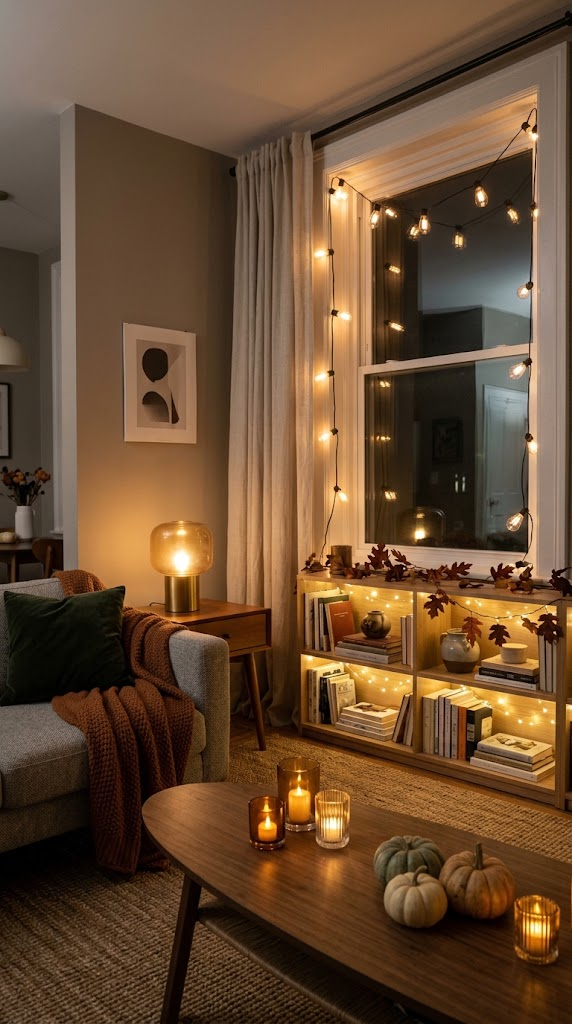
How to Create a Functional and Stylish Living Room Layout
Before diving in, please note: This post is for informational purposes only. If you’d like to know more about how we approach topics, feel free to check out our friendly Disclaimer Page.
Hey there, amazing readers! 🖐️ Just a quick note: yes, we know there are a lot of ads here. Trust us, we get it—it’s not the prettiest look, but they help us keep this blog alive and kicking. Those pesky little ads cover the costs of all the behind-the-scenes magic, from hosting and tech stuff to creating content we hope you’ll love.
We’re committed to delivering quality posts, and your support (even just sticking around despite the ads) means everything to us. So, bear with us, and thanks for helping us keep the good vibes rolling. Now, on to the fun stuff! 😉
TRANSLATE BUTTON AT THE END OF THE ARTICLE
Introduction
Designing a living room layout that is both functional and stylish can significantly enhance your home’s comfort and aesthetic appeal. The living room is often the focal point of a home, where you gather with family and entertain guests. This guide will walk you through the steps to create a living room layout that balances functionality with style, ensuring a space that is both practical and visually pleasing.
1. Assess Your Space
Measure the Room
Before you begin designing, it’s essential to understand the dimensions of your living room. Measure the length and width of the room, noting the location of doors, windows, and any architectural features like fireplaces or built-in shelves.
Consider the Layout
Think about how you use the room. Is it primarily for relaxing, entertaining, or both? Understanding the primary functions of the space will guide your layout decisions.
2. Define Your Living Room Zones
Identify Key Zones
Dividing your living room into distinct zones can improve its functionality. Common zones include:
Seating Area: The central zone for socializing and relaxation.
Entertainment Area: Space for a television, stereo, or gaming setup.
Reading Nook: A cozy corner with a chair and good lighting.
Workspace: If needed, a small area with a desk and storage.
Create Flow
Ensure there is a natural flow between these zones. Avoid placing large pieces of furniture that block pathways or make the space feel cramped.
3. Choose a Layout
Popular Layouts
Several common layouts can work well for different living room sizes and shapes:
Open Plan: Ideal for larger spaces, this layout integrates the living room with adjacent areas like the dining room or kitchen.
U-Shape: Involves arranging furniture to form a U-shape, creating a cozy and enclosed seating area.
L-Shape: Features seating arranged in an L-shape, which works well for smaller rooms and can help define the space.
Symmetrical: Balances furniture arrangement on either side of a central focal point, such as a fireplace or television.
Consider Furniture Placement
Place larger furniture pieces first, such as sofas and coffee tables, then add smaller items like side tables and lamps. Ensure that all seating areas have easy access and a clear view of the main focal point.
4. Select and Arrange Furniture
Choose the Right Scale
Select furniture that fits the scale of your room. Oversized furniture can overwhelm a small room, while too-small pieces may seem insignificant in a larger space.
Arrange for Comfort and Conversation
Arrange seating to encourage conversation and comfort. Sofas and chairs should face each other, allowing for easy interaction. Consider adding additional seating options, like ottomans or accent chairs, to accommodate more guests.
Use Multi-Functional Furniture
In smaller spaces, multi-functional furniture can maximize utility. Look for pieces like storage ottomans, sofa beds, or tables with built-in storage.
5. Add Style with Decor
Choose a Color Scheme
Select a color scheme that complements your overall design vision. Neutral colors can create a calming backdrop, while bold accents can add personality and vibrancy. Consider using paint, rugs, and throw pillows to introduce color.
Incorporate Textures
Mixing textures adds depth and interest to your living room. Combine materials like wood, metal, glass, and fabric to create a visually appealing space. Use rugs, throws, and cushions to soften the look and add comfort.
Add Lighting
Lighting plays a crucial role in setting the mood and functionality of your living room. Incorporate a mix of lighting sources:
Ambient Lighting: General lighting for overall illumination (e.g., ceiling fixtures or recessed lighting).
Task Lighting: Focused lighting for specific activities (e.g., reading lamps or desk lamps).
Accent Lighting: Decorative lighting to highlight architectural features or artwork (e.g., wall sconces or LED strips).
Personalize with Art and Accessories
Add personal touches with artwork, photographs, and decorative accessories. Choose pieces that reflect your style and interests, and arrange them in a way that complements your furniture layout.
6. Optimize Storage
Utilize Built-In Storage
Built-in shelves, cabinets, and storage units can help keep the living room organized and clutter-free. Consider custom solutions that fit your space and style.
Incorporate Stylish Storage Solutions
Use decorative baskets, bins, and trays to store smaller items while keeping them accessible. Choose storage solutions that blend with your decor to maintain a cohesive look.
7. Enhance with Plants and Greenery
Choose Low-Maintenance Plants
Plants can bring life and freshness to your living room. Opt for low-maintenance varieties like succulents, ferns, or snake plants, which require minimal care.
Place Plants Strategically
Position plants in areas where they can thrive, such as near windows with adequate light. Use plant stands or hanging planters to add visual interest and save floor space.
Conclusion
Creating a functional and stylish living room layout involves careful planning and thoughtful design choices. By assessing your space, defining zones, selecting the right furniture, and adding personalized decor, you can transform your living room into a comfortable and visually appealing space. Remember to balance functionality with aesthetics and incorporate elements that reflect your personal style. With these tips, you’ll be well on your way to designing a living room that is both practical and beautifully designed.