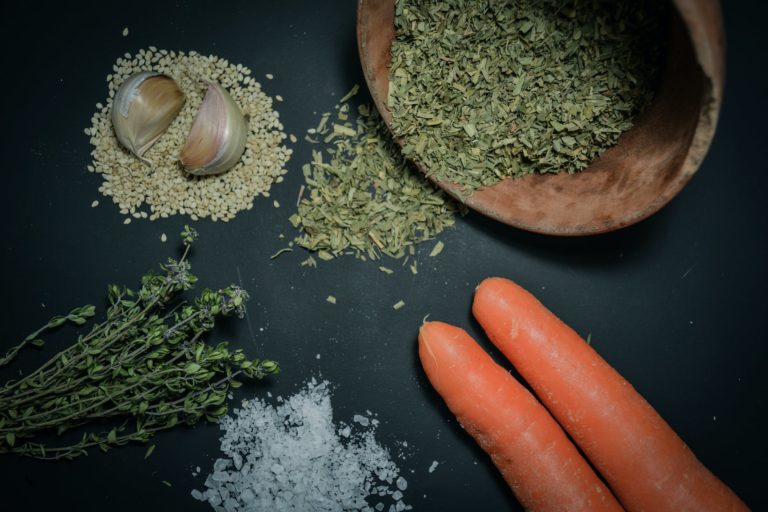
How to Dry Herbs Quickly and Effectively at Home
Before diving in, please note: This post is for informational purposes only. If you’d like to know more about how we approach topics, feel free to check out our friendly Disclaimer Page.
Hey there, amazing readers! 🖐️ Just a quick note: yes, we know there are a lot of ads here. Trust us, we get it—it’s not the prettiest look, but they help us keep this blog alive and kicking. Those pesky little ads cover the costs of all the behind-the-scenes magic, from hosting and tech stuff to creating content we hope you’ll love.
We’re committed to delivering quality posts, and your support (even just sticking around despite the ads) means everything to us. So, bear with us, and thanks for helping us keep the good vibes rolling. Now, on to the fun stuff! 😉
TRANSLATE BUTTON AT THE END OF THE ARTICLE
A Quick Overview
Drying herbs at home can be a delightful and satisfying experience.
Not only does it help preserve the vibrant flavors and aromas of your favorite herbs, but it also allows you to add a personal touch to your culinary creations.
Whether you’re a seasoned home chef or just starting out, there are effective ways to dry herbs quickly.
In this article, I’ll share my favorite methods—some traditional and some modern—so you can get those herbs from the garden to the pantry in no time!
Unlocking the Secrets: Quick Herb Drying Techniques
When the urge to dry herbs strikes, there are several methods we can adopt.
Each one has its pros and cons.
The goal is to preserve flavor without losing too much of the herb’s natural oils.
Air Drying: This method is the classic approach.
It’s simple but requires patience.
Microwave Drying: A quick and fun way to dry herbs, perfect for those of us in a hurry.
Oven Drying: This method speeds things up significantly while providing consistent results.
Dehydrators: If you have one, this appliance works wonders for drying herbs effectively.
Each technique fits different schedules and lifestyles.
The best part?
You can experiment with each method to find what works for you!
Gather Your Fresh Herbs: Choosing the Best Varieties
Before we dive into drying, let’s talk about gathering herbs.
Not all herbs dry the same way.
Some retain their flavor better than others.
Basil: Ideal for drying, but can lose flavor.
Use it quickly!
Thyme: Dried thyme has an intense flavor; it’s a must-have.
Oregano: This herb retains its flavor beautifully and is perfect for drying.
Mint: Dry mint is great for teas and desserts; just be careful not to let it turn bitter during the process.
When picking your herbs, always go for fresh, vibrant plants.
Look for ones without any brown spots or wilting.
The fresher they are, the better the dried flavor will be.
Plus, it’s like shopping at farmer’s market without leaving your garden!
Prep Your Herbs: Rinse, Dry, and Trim with Care
Once you have your fresh herbs, it’s time to prep them.
This step is essential for getting the best results.
Rinse: Gently wash your herbs under cool running water.
This will rid them of dirt and any critters that might have hitched a ride.
Dry: Pat them dry with a clean kitchen towel or use a salad spinner.
The drier, the better!
Trim: Remove any damaged leaves or thick stems.
For herbs like basil, I like to pinch off the leaves to encourage bushy growth.
Taking this time to prepare your herbs properly will pay off in the end.
You’ll be amazed at the difference in flavor!
Air Drying: The Simple and Natural Method Explained
Air drying is the most straightforward way to dry herbs.
It’s like letting nature do its thing.
Here’s how to do it:
Bundle: Gather a handful of herbs and tie them together with string or a rubber band.
Hang: Find a warm, dry, and dark place to hang your herb bundles.
A kitchen or pantry works well.
Wait: This method can take anywhere from a few days to a couple of weeks, depending on humidity.
While air drying, I like to check on my herbs occasionally.
If they feel crispy and crumble easily, they’re ready!
This method fills your kitchen with a lovely herbal aroma, too.
It’s like a free air freshener!
Microwave Magic: Speedy Drying in Just Minutes
If you’re in a pinch, the microwave can be your best friend.
This method is quick and effective.
Place: Lay your herb leaves on a microwave-safe plate.
Avoid stacking them; they need space.
Cover: Place another microwave-safe plate on top to create a mini dehydrator.
Zap: Microwave in 30-second intervals.
Check in between to avoid burning them.
Most herbs will be dried in under two minutes!
Microwave drying can be a bit tricky since it’s easy to overdo it.
But when done right, you’ll have crispy herbs ready in a jiffy.
Just keep an eye on them, and you’ll be golden!
Oven Drying: A Reliable Technique for Busy Cooks
The oven is a handy tool for drying herbs, especially if you’re prepping a large batch.
Here’s how to do it right:
Preheat: Set your oven to the lowest temperature (around 170°F or 75°C).
Arrange: Spread your herbs on a baking sheet in a single layer.
Avoid crowding.
Dry: Place the baking sheet in the oven and leave the door slightly ajar.
This allows moisture to escape.
Check every 15 minutes until they crumble easily.
This method can take about 30 minutes to an hour.
The end result is fantastic!
Plus, you can dry a mix of herbs all at once.
It’s a win-win for busy cooks like me.
Storing Dried Herbs: Tips for Maximum Freshness
Once your herbs are dried, it’s time to store them.
Proper storage is crucial for keeping them flavorful.
Containers: Use airtight glass jars or dark containers to protect from light.
Labels: Don’t forget to label your jars!
It’s easy to forget what’s what once they’re all dried.
Cool, Dry Place: Keep your herbs in a cool, dry location, away from direct sunlight.
I like to keep my dried herbs in a small cupboard in the kitchen.
This way, they’re out of sight but still easily accessible when I’m whipping up dinner.
Remember, dried herbs lose potency over time, so try to use them within a year for the best flavor!
Creative Uses for Dried Herbs: Enhance Your Dishes!
Now that you have a stash of dried herbs, what to do with them?
The options are endless!
Here are some ideas to get those creative juices flowing:
Seasoning: Sprinkle dried herbs on roasted veggies, meats, or pasta dishes.
They add a burst of flavor!
Herbal Teas: Create your own herbal tea blends.
Dried mint and chamomile work wonders together.
Herb Sachets: Use leftover dried herbs to make sachets for your drawers or closets.
They smell divine!
Homemade Marinades: Mix dried herbs with oil and vinegar for flavorful marinades or salad dressings.
I love experimenting with dried herbs in new recipes.
They can transform a simple dish into something spectacular.
So, don’t hesitate; get creative and have fun in the kitchen!
Conclusion
Drying herbs at home is an enjoyable and rewarding process.
With techniques ranging from air drying to microwave magic, there’s a method for every schedule.
Once dried and stored properly, these herbs can elevate your cooking, enhance your meals, and add a personal touch to your culinary adventures.
I hope this guide inspires you to dive into herb drying and enjoy the flavors of your own homegrown herbs all year round!
Happy drying!