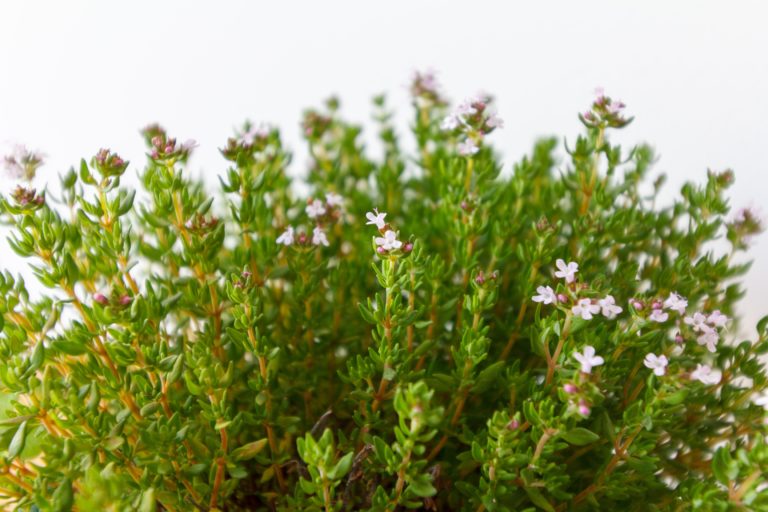
How to Grow Rosemary in Pots: A Complete Guide for Healthy, Fragrant Plants
Before diving in, please note: This post is for informational purposes only. If you’d like to know more about how we approach topics, feel free to check out our friendly Disclaimer Page.
Hey there, amazing readers! 🖐️ Just a quick note: yes, we know there are a lot of ads here. Trust us, we get it—it’s not the prettiest look, but they help us keep this blog alive and kicking. Those pesky little ads cover the costs of all the behind-the-scenes magic, from hosting and tech stuff to creating content we hope you’ll love.
We’re committed to delivering quality posts, and your support (even just sticking around despite the ads) means everything to us. So, bear with us, and thanks for helping us keep the good vibes rolling. Now, on to the fun stuff! 😉
TRANSLATE BUTTON AT THE END OF THE ARTICLE
Rosemary is one of those herbs that seems to have it all. It fills the air with a wonderful aroma, looks beautiful in containers, attracts pollinators when it blooms, and adds fresh flavor to countless recipes. Even better, it’s a hardy plant that can thrive for years when given the right care.
If you don’t have a large garden, don’t worry. Rosemary grows exceptionally well in containers, making it an excellent choice for balconies, patios, small backyards, and even sunny windowsills.
In this complete guide, we’ll cover everything you need to know about how to grow rosemary in pots, including choosing the right container, watering correctly, pruning for healthy growth, and avoiding the common mistakes that often shorten a rosemary plant’s life.
Why Grow Rosemary in Pots?
Growing rosemary in containers offers several advantages over planting it directly in the ground.
Potted rosemary allows you to:
Move the plant to capture more sunlight
Protect it during cold weather
Grow herbs in apartments and small spaces
Improve soil drainage
Reduce weed competition
Keep fresh herbs close to the kitchen
Many gardeners actually prefer containers because rosemary dislikes heavy, wet soil, and pots allow much better control over moisture.
Choosing the Best Rosemary Variety
Several rosemary varieties grow well in containers.
Upright Rosemary
The most common type.
Ideal for:
Cooking
Topiary
Decorative containers
Kitchen herb gardens
Trailing Rosemary
This variety naturally spills over the edges of hanging baskets and decorative pots.
Perfect for:
Window boxes
Hanging baskets
Raised containers
Compact Varieties
Some cultivars stay naturally smaller, making them excellent choices for patios and indoor growing.
No matter which variety you choose, the basic care remains largely the same.
Choosing the Right Pot
The container you choose can make a big difference.
Rosemary develops an extensive root system over time, so avoid tiny pots that quickly become crowded.
Look for a container that is:
At least 12 inches wide
At least 12 inches deep
Equipped with several drainage holes
Heavy enough to remain stable on windy days
Terracotta pots are especially popular because they allow excess moisture to evaporate through the sides, helping prevent overly wet soil.
Plastic pots also work well, although they tend to retain moisture longer.
The Best Soil for Rosemary
One of rosemary’s biggest enemies is soggy soil.
Use a potting mix that drains quickly while still providing enough nutrients.
A suitable mix often includes:
Quality potting soil
Coarse sand or horticultural grit
Perlite or pumice
Avoid using dense garden soil in containers, as it can compact easily and slow drainage.
Good airflow around the roots is one of the keys to growing healthy rosemary.
How Much Sunlight Does Rosemary Need?
Rosemary loves sunshine.
Aim to provide:
At least 6 to 8 hours of direct sunlight daily
Good air circulation
Warm growing conditions
South-facing patios, balconies, and windows usually provide excellent light.
If you’re growing rosemary indoors, place it near the brightest window available. If natural light is limited, a grow light can help maintain healthy growth.
Growing Rosemary from Young Plants
Although rosemary can be grown from seed, most home gardeners prefer starting with a nursery-grown plant.
Seeds can germinate slowly and unevenly.
When planting:
Fill the pot with fresh potting mix.
Remove the rosemary from its nursery container.
Loosen tightly packed roots if necessary.
Position the plant at the same depth it was previously growing.
Fill around the roots with soil.
Water thoroughly after planting.
Avoid planting deeper than the original soil level.
Growing Rosemary from Cuttings
One of the easiest ways to grow additional rosemary plants is from stem cuttings.
Choose a healthy stem about 4 to 6 inches long.
Then:
Remove leaves from the lower half.
Place the cutting in moist growing medium.
Keep it warm and lightly moist.
Wait for roots to develop over the next several weeks.
Once rooted, transplant it into its own container.
This method produces a plant identical to the parent.
Watering Rosemary Properly
This is where many beginners accidentally run into trouble.
Rosemary prefers slightly dry soil rather than constantly wet conditions.
A simple routine works well:
Check the top 2 inches of soil.
Water thoroughly when dry.
Allow excess water to drain completely.
Never let the pot sit in standing water.
Overwatering is far more common than underwatering.
If you’re unsure, it’s usually better to wait another day before watering.
Fertilizing Rosemary
Rosemary doesn’t require heavy feeding.
Too much fertilizer can actually reduce the concentration of its aromatic oils.
A light application of a balanced fertilizer during the growing season is usually enough for container-grown plants. Follow the product label directions and avoid excessive feeding.
Pruning Rosemary
Regular pruning keeps rosemary compact, healthy, and productive.
Pruning helps:
Encourage branching
Prevent woody growth
Improve air circulation
Produce more fresh stems
Trim the soft green growth regularly, but avoid cutting deeply into thick, older woody stems, as they may not produce vigorous new shoots.
Frequent light trimming works better than occasional heavy pruning.
Harvesting Rosemary
You can harvest rosemary throughout much of the growing season once the plant is well established.
Use clean scissors or pruning snips.
Cut individual stems rather than stripping leaves one by one.
Never remove more than one-third of the plant at a single time.
Regular harvesting naturally encourages fresh growth.
Repotting Rosemary
Over time, rosemary may outgrow its container.
Signs it needs repotting include:
Roots circling the pot
Water draining unusually quickly
Slower growth
Reduced leaf production
Move the plant into a container just a few inches larger rather than choosing an oversized pot.
Fresh potting mix also provides renewed nutrients.
Growing Rosemary Indoors
Rosemary can grow indoors successfully with enough light.
Keep indoor plants:
Near a bright south-facing window
Away from heating vents
Away from cold drafts
In rooms with good air circulation
Indoor rosemary often appreciates slightly lower humidity than many tropical houseplants.
Common Rosemary Problems
Even hardy herbs occasionally develop issues.
Yellow Leaves
Possible causes include:
Overwatering
Poor drainage
Root stress
Brown Branches
This may result from:
Root rot
Cold damage
Severe underwatering
Weak Growth
Usually caused by:
Insufficient sunlight
Crowded roots
Poor drainage
Pests
Occasionally you may notice:
Aphids
Spider mites
Whiteflies
Mealybugs
Inspect plants regularly. If pests appear, remove them with a strong spray of water or use an insecticidal soap labeled for edible plants, following the manufacturer’s instructions.
Winter Care for Potted Rosemary
If you live in an area with freezing winters, container-grown rosemary may need extra protection.
Before hard frosts arrive:
Move pots indoors or into a sheltered location if your climate is too cold for rosemary outdoors.
Reduce watering as growth slows.
Continue providing as much light as possible.
Avoid placing plants next to heaters that produce hot, dry air.
In regions with mild winters, rosemary often remains outdoors year-round.
Companion Plants for Potted Rosemary
Rosemary pairs nicely with several herbs that enjoy similar growing conditions.
Consider growing it alongside:
Thyme
Sage
Oregano
Lavender
These Mediterranean herbs all prefer sunny locations and well-draining soil, making them great companions in container gardens.
Tips for Growing Beautiful Rosemary in Pots
A few simple habits can help your rosemary stay healthy for years:
Choose a pot with excellent drainage.
Give the plant plenty of direct sunlight.
Water deeply but infrequently.
Avoid overly rich soil.
Harvest regularly.
Prune lightly throughout the growing season.
Repot before the roots become severely crowded.
Protect the plant from prolonged freezing temperatures.
These small steps can make a big difference in the plant’s long-term health.
Frequently Asked Questions
Can rosemary live in a pot permanently?
Yes. With occasional repotting, fresh potting mix, and proper care, rosemary can thrive in a container for many years.
How often should I water rosemary in pots?
Water when the top couple of inches of soil feel dry. The exact schedule depends on factors such as temperature, sunlight, pot size, and the type of container.
Does rosemary need full sun?
Yes. Rosemary grows best with at least 6 to 8 hours of direct sunlight each day.
Why is my potted rosemary turning brown?
Brown stems or foliage can be caused by overwatering, root problems, cold damage, or prolonged drought. Checking soil moisture and ensuring good drainage are good first steps.
Can rosemary stay outside all year?
That depends on your climate. In areas with mild winters, rosemary can often remain outdoors. In colder regions, potted plants may need to be moved to a protected location before freezing weather arrives.
Final Thoughts
Learning how to grow rosemary in pots is an excellent way to enjoy one of the most versatile culinary herbs without needing a large garden. With plenty of sunlight, fast-draining soil, careful watering, and occasional pruning, a single potted rosemary plant can provide fragrant harvests for years.
Whether you’re growing herbs on a sunny balcony, a small patio, or a kitchen windowsill, rosemary rewards consistent care with evergreen beauty, aromatic foliage, and fresh stems ready for your favorite recipes whenever inspiration strikes.