How to Make Small Spaces Feel Bigger
Before diving in, please note: This post is for informational purposes only. If you’d like to know more about how we approach topics, feel free to check out our friendly Disclaimer Page.
Hey there, amazing readers! 🖐️ Just a quick note: yes, we know there are a lot of ads here. Trust us, we get it—it’s not the prettiest look, but they help us keep this blog alive and kicking. Those pesky little ads cover the costs of all the behind-the-scenes magic, from hosting and tech stuff to creating content we hope you’ll love.
We’re committed to delivering quality posts, and your support (even just sticking around despite the ads) means everything to us. So, bear with us, and thanks for helping us keep the good vibes rolling. Now, on to the fun stuff! 😉
TRANSLATE BUTTON AT THE END OF THE ARTICLE
How to Make Small Spaces Feel Bigger
Introduction
Small spaces present unique design challenges, yet they offer opportunities for clever planning and precise styling.
The goal is to maximize perceived space while preserving comfort, function, and character.
This article outlines practical strategies that blend color, light, layout, storage, and detailing to create rooms that feel more open, breathable, and welcoming.
The guidance is designed to be adaptable across living rooms, bedrooms, kitchens, and entryways, with emphasis on perceptual tricks that have real, measurable impact.
Understanding Perception and Proportion in Small Areas
Perception drives how large a space feels.
Factors such as color, light, scale, and rhythm influence how the eye interprets depth.
Key concepts to apply:
Continuity: Visual flow across surfaces and rooms creates a sensation of spaciousness.
Proportion: Furnishings should fit the scale of the room; oversized pieces shrink a space, while properly scaled items enhance balance.
Reflectivity: Surfaces that bounce light create brighter environments, which feel larger.
Clutter control: Clear surfaces and organized storage reduce visual noise, contributing to a calmer, more expansive feel.
Color Strategy: Light, Neutral Palettes with Purposeful Contrasts
Color significantly affects perceived size.
A thoughtful palette sets the stage for spaciousness without dulling personality.
Base hues: Soft whites, warm neutrals, and pale grays form a clean, expansive backdrop.
These tones reflect natural and artificial light, helping rooms feel open.
Consistency across zones: Using the same or closely related floor and wall colors across connected spaces creates a seamless plane, which visually expands the footprint.
Contrast for depth: Introduce subtle contrast through trim, cabinetry, or furniture legs to define zones without breaking the sense of flow.
Accent sparingly: A restrained accent color or material can add character without interrupting the perception of space.
Lighting: Layered Illumination and Daylight Maximization
Layered lighting is essential for making small interiors feel bigger and more usable.
Daylight first: Maximize natural light with unobstructed windows and light window treatments.
Sheer fabrics and minimal hardware allow daylight to permeate.
Layered layers: Combine ambient, task, and accent lighting.
A well-balanced mix reduces shadows that create cramped corners.
Light temperature: Favor a neutral to warm white range (approximately 2700K to 3500K) for a welcoming atmosphere that still reads modern.
Dimming options: Dimmers enable quick adjustments to mood and perceived space, especially in living and dining zones.
Flooring and Ceilings: Continuity and Brightness
Floor and ceiling treatments influence how expansive a room feels.
Consistent flooring: Use the same flooring material or a closely related color across adjoining rooms to create a continuous plane that visually enlarges the area.
Light ceilings: White or very light ceiling tones keep overhead visually unobtrusive and open.
Vertical lines: Subtle vertical patterns or tall, narrow architectural features draw the eye upward, conveying height and openness.
Furniture and Layout: Proportion, Multipurpose, and Clear Layouts
Smart furniture choices are central to a bigger-feeling space.
Scale and proportion: Choose pieces that fit the room’s dimensions.
A sofa with exposed legs or a compact profile reads as lighter than a bulkier, solid-block piece.
Multipurpose pieces: A storage ottoman, bed with drawers, wall-mounted desk, and fold-down tables reduce the need for extra furniture and keep the floor clear.
Floating furniture: Raise seating off the floor with slim legs to create a sense of airiness and sight lines beneath the furniture.
Clear pathways: Maintain generous circulation around furniture.
A minimum of 30 inches (about 76 cm) for main traffic routes is a practical standard.
Storage: Hidden Space and Vertical Solutions
Efficient storage eliminates clutter that shrinks perceived space.
Built-ins: Custom or modular built-ins maximize every inch, especially in alcoves or under stairs.
Under-bed storage and ceiling-height options: Use containers that slide out easily and keep seldom-used items out of sight.
Vertical storage: Tall, slim shelving units, wall-mounted cabinets, and pegboards utilize wall space without consuming floor area.
Decluttering discipline: Regularly assess items for necessity.
A consistent approach to keeping only what is used keeps spaces feeling open.
Wall Treatments and Visual Texture
Walls can amplify or compress a room’s feel depending on treatment.
Flat or soft textures: Matte or satin finishes minimize glare and help rooms feel calm and spacious.
Reflective surfaces: A high-gloss kitchen backsplash, glass-front cabinets, or mirrored inserts create light bounce without crowding space.
Subtle patterns: If a pattern is used, keep it restrained and scale-appropriate to avoid overwhelming walls.
Visual Tricks: Mirrors, Glass, and Strategic Transparency
In small interiors, reflective elements stretch boundaries.
Mirrors: Place a mirror opposite a window or light source to double the perceived brightness.
Large, unobstructed mirrors work best when framed simply.
Transparent furniture: Glass tabletops or lucite seating can reduce visual weight and preserve sightlines.
Open shelving: In kitchens or bathrooms, glass-front cabinets or open shelves create depth without bulk.
Zone Definition in Open Plans
Open plans benefit from subtle segmentation that preserves spaciousness.
Rugs as anchors: Define seating or dining zones with area rugs, ensuring the rug size allows for furniture to sit comfortably on the border without feeling cramped.
Light-weight separators: Use slender bookcases or low-profile screens to define areas while maintaining openness.
Color and texture cues: Introduce distinct but harmonious finishes for each zone to create a sense of purpose without creating barriers.
Kitchen and Bath Small Space Optimizations
Functional efficiency often coincides with perceived space gains.
Vertical storage and cabinetry: Tall cabinetry and stacked storage maximize usable space.
Open shelves: In kitchens, open or glass-front shelves reduce bulk while maintaining access to essentials.
Pocket doors and sliding solutions: Doors that slide into walls save precious clearance and keep pathways open.
Mirrors and reflective surfaces: Use reflective backsplashes or polished countertops to add brightness and depth.
Practical Guidelines by Room Type
To help convert theory into practice, consider these targeted recommendations:
Living Room
Keep the seating arrangement oriented toward a focal point with a view or fireplace, but avoid blocking sightlines across the room.
Choose a compact sofa and optional armchairs with slim arms to preserve openness.
Use a single coffee table with light legs or a pair of nesting tables to minimize visual weight.
Bedroom
A platform bed with built-in storage reduces furniture clutter.
Floating nightstands and wall-mounted lamps free surface area for movement.
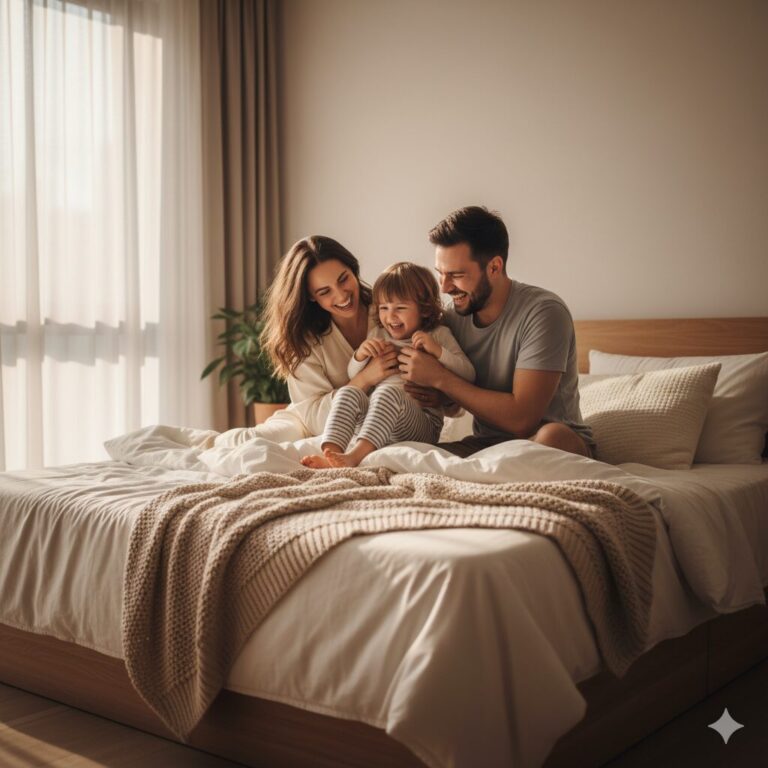
Curtains that light-filter rather than block all daylight maintain daytime brightness.
Dining Area
A slim, extendable table prevents crowding when not in use.
Stackable chairs or chairs with narrow profiles maintain openness.
A credenza with recessed lighting can store dining essentials and visually extend the room’s length.
Entry and Hallways
A narrow console with a mirror above can reflect light and create an impression of depth.
Consistent flooring and coherent color transitions from entry through adjacent rooms unify the space.
Case Scenarios: Realistic Applications
Studio apartment: Use a corner sofa with a compact footprint, extendable dining table, and built-in storage along one wall.
Use a large mirror to reflect daylight from a window and a light color palette throughout.
Small one-bedroom with a galley kitchen: Run continuous flooring into the kitchen, employ open shelves, and install slim, under-cabinet lighting to enhance depth and function.
Narrow hallway turning into a living area: Employ vertical art or mirrors at the end of the corridor, and install wall-mounted lighting to lead the eye forward.
Table: Furnishing Guidelines by Space
| Space Type | Key Tactics | Primary Benefit |
|---|---|---|
| Living room | Compact sofa, raised legs, transparent coffee table | Open sightlines, lighter feel |
| Bedroom | Platform bed with storage, wall-mounted lights | Floor clearance, calm ambience |
| Kitchen | Open shelves, tall cabinets, light backsplashes | Efficient storage, brightness |
| Hallways | Large mirror, minimal furniture | Visual depth, easier navigation |
Quality Details that Sustain Perceived Space
Hardware and hardware placement: Choose slim, simple hardware that blends with cabinetry.
Small details matter in high-contrast spaces.
Clean, well-finished edges: Crisp edges between surfaces reduce visual chaos and improve harmony.
Maintenance plan: A straightforward routine keeps surfaces looking fresh, preserving the spacious impression over time.
Common Pitfalls to Avoid
Over-furnishing: Too many pieces create congestion and break sightlines.
Dark accents in already small rooms: They absorb light and can shrink the feel of the area.
Heavy window treatments: Thick drapery blocks light and makes spaces feel boxed in.
FAQ
How can color impact a small space’s size?
Lighter, cohesive color schemes reflect more light and reduce visual interruptions, making rooms feel larger.Use a consistent base palette and reserve bolder accents for focal points.
Do mirrors really make spaces feel bigger?
Yes.Mirrors reflect light and create the illusion of additional depth.
Place mirrors opposite windows or light sources to maximize the effect.
What lighting setup works best for small rooms?
A layered approach is most effective: soft ambient lighting for general coverage, task lighting for defined zones, and accent lighting to highlight architectural details or artwork.How important is furniture scale in a compact area?
Furniture scale is critical.Pieces with slender profiles, legs that elevate the visual weight, and multifunctional designs help maintain airflow and readability.
Can I still use bold colors in a small space?
Yes, but use them strategically.Apply a bold hue as an accent on a single wall, a piece of art, or a fabric panel, while keeping the majority of surfaces in calm tones.
What role do window treatments play in space perception?
Window treatments that minimize obstruction and maximize daylight support a brighter, more expansive feel.Opt for light fabrics and simple hardware.
Conclusion
Small spaces can be welcoming, functional, and visually expansive when design choices emphasize light, rhythm, and disciplined organization.
A coherent color plan, layered lighting, continuous flooring, appropriately scaled furnishings, and smart storage create environments that feel larger and more comfortable.
By applying the strategies outlined here, spaces gain clarity, flow, and lasting usability without sacrificing personality or comfort.
The utmost care is in balancing practicality with perceptual enhancements, ensuring that each room serves daily needs while contributing to an overall sense of openness and ease.