Mauve – Color Meaning and Symbolism
Before diving in, please note: This post is for informational purposes only. If you’d like to know more about how we approach topics, feel free to check out our friendly Disclaimer Page.
Hey there, amazing readers! 🖐️ Just a quick note: yes, we know there are a lot of ads here. Trust us, we get it—it’s not the prettiest look, but they help us keep this blog alive and kicking. Those pesky little ads cover the costs of all the behind-the-scenes magic, from hosting and tech stuff to creating content we hope you’ll love.
We’re committed to delivering quality posts, and your support (even just sticking around despite the ads) means everything to us. So, bear with us, and thanks for helping us keep the good vibes rolling. Now, on to the fun stuff! 😉
TRANSLATE BUTTON AT THE END OF THE ARTICLE
Overview
Mauve is a unique and captivating color that holds significant meaning and symbolism in various aspects of life.
From its origins and history to its psychological effects, artistic representation, cultural significance, and incorporation into daily life, mauve has a rich and diverse story to tell.
In this article, we will delve into the depths of mauve, exploring its origins, understanding its psychological impact, appreciating its artistic and cultural significance, and offering practical tips on how to incorporate this color into your life.
Mauve: Color Meaning and Symbolism
Mauve, a pale and delicate shade of purple, represents a blend of tranquility, elegance, and creativity.
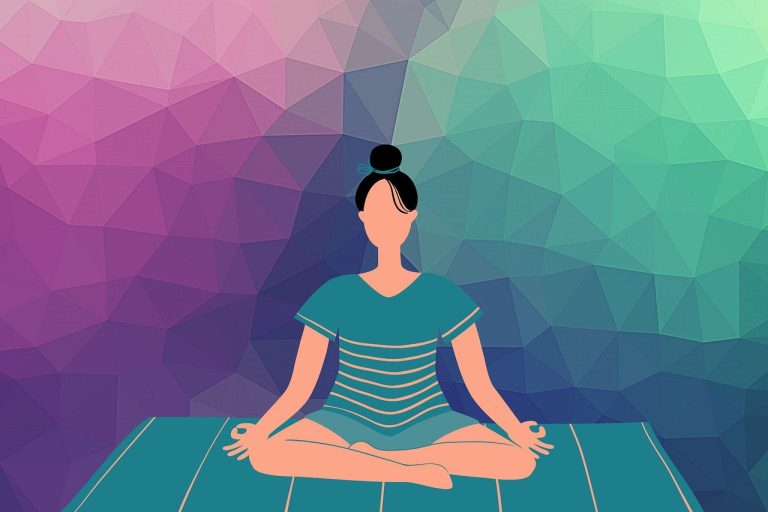
Its soft and soothing nature evokes a sense of calmness, making it a popular choice for promoting relaxation and mindfulness.
Mauve is often associated with femininity and grace, conveying a sense of gentleness and sophistication.
Symbolically, mauve represents creativity, intuition, and spirituality, making it a perfect hue for artistic expression and self-reflection.
Origins and History of Mauve
Mauve has a fascinating history that dates back to the mid-19th century.
It was discovered by the renowned English chemist Sir William Henry Perkin in 1856 while he was attempting to synthesize quinine, a treatment for malaria.
Perkin accidentally stumbled upon a new color, which he named "mauveine" and later shortened to "mauve." This accidental discovery revolutionized the textile industry and became wildly popular during the Victorian era.
Mauve was seen as a symbol of luxury and sophistication due to its association with royalty, as it was favored by Queen Victoria and other prominent figures of the time.
Psychological Effects of Mauve
The psychological effects of mauve are intriguing and multifaceted.
This color has a calming and soothing impact on the mind, helping to alleviate stress and anxiety.
Mauve inspires introspection and encourages a deeper connection with one’s emotions and spiritual side.
It promotes a sense of balance and harmony, making it an excellent choice for creating a serene and meditative environment.
Mauve also stimulates creativity and imagination, making it a suitable color for artists and individuals seeking inspiration.
Mauve in Art and Design
Mauve has been widely used in art and design throughout history, particularly during the Art Nouveau period.
This color’s ethereal and dreamy quality made it a favorite among artists seeking to capture a sense of mystery and enchantment.
Mauve has been featured in various famous artworks, including the iconic paintings of Vincent van Gogh.
In contemporary design, mauve is often used to add a touch of sophistication and elegance to interiors.
Its versatility allows it to be incorporated into both traditional and modern design styles, creating a sense of warmth and refinement.
Cultural Significance of Mauve
Mauve holds cultural significance in different parts of the world.
In Western cultures, it is often associated with royalty, wealth, and luxury due to its historical connection with Queen Victoria.
In some Eastern cultures, mauve is linked to spirituality and enlightenment, representing the search for inner peace and self-discovery.
Mauve is also associated with femininity and is frequently used in marketing aimed at women, conveying a sense of beauty, grace, and elegance.
Additionally, mauve has become a symbolic color of the LGBTQ+ community, representing creativity, individuality, and nonconformity.
Incorporating Mauve into your Life
If you are drawn to mauve and wish to incorporate it into your life, there are various ways to do so.
In interior design, you can introduce mauve through accent walls, furniture, or decor items such as cushions, curtains, and rugs.
Mauve-colored flowers, such as lavender or lilac, can also bring a touch of this captivating hue to your garden or indoor space.
Clothing and accessories in mauve shades can be a stylish choice, exuding femininity and elegance.
Additionally, using mauve in artistic pursuits, such as painting or crafting, can help evoke a sense of calmness and inspiration.
Conclusion
Mauve, with its calming and elegant nature, carries deep meaning and symbolism.
From its accidental discovery to its role in art, design, and cultural contexts, mauve has left an indelible mark.
Its psychological effects promote tranquility and creativity, while its cultural significance varies across different parts of the world.
By incorporating mauve into your life through interior design, fashion choices, or artistic endeavors, you can embrace the serenity and beauty this color offers.
Mauve is truly a color that speaks volumes and enriches our experiences with its unique presence.