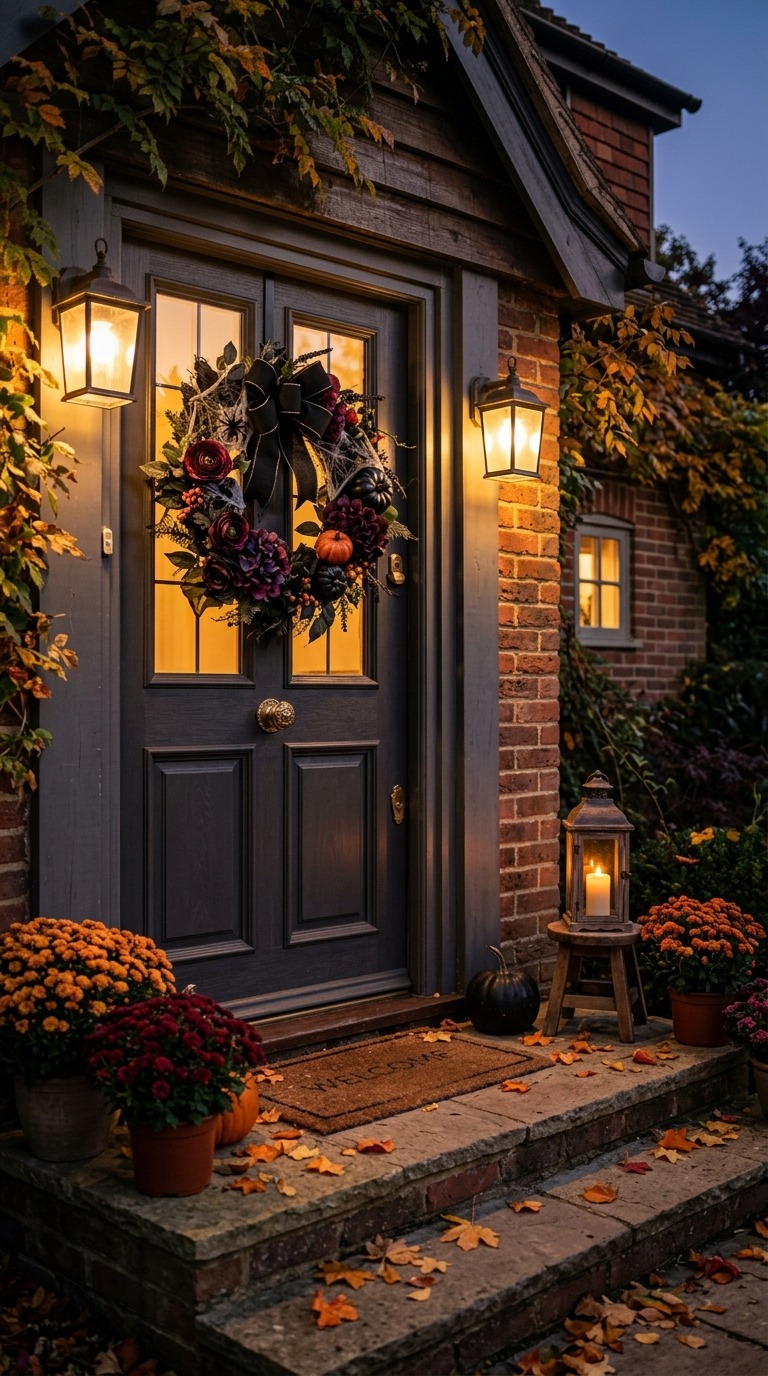
No-Carve Pumpkin Art You’ll Want to Try
Before diving in, please note: This post is for informational purposes only. If you’d like to know more about how we approach topics, feel free to check out our friendly Disclaimer Page.
Hey there, amazing readers! 🖐️ Just a quick note: yes, we know there are a lot of ads here. Trust us, we get it—it’s not the prettiest look, but they help us keep this blog alive and kicking. Those pesky little ads cover the costs of all the behind-the-scenes magic, from hosting and tech stuff to creating content we hope you’ll love.
We’re committed to delivering quality posts, and your support (even just sticking around despite the ads) means everything to us. So, bear with us, and thanks for helping us keep the good vibes rolling. Now, on to the fun stuff! 😉
TRANSLATE BUTTON AT THE END OF THE ARTICLE
Introduction
No-carve pumpkin art is the cozy, creative antidote to all the doom-and-gloom cookie-cutter decorations.
It’s the kind of craft that feels doable, even on a busy weeknight, and it still looks stunning enough to pin to your vision board or share with friends.
I love these ideas because they celebrate the pumpkin’s natural warmth—its ridges, its soft glow, and that gentle, forgiving color palette that makes whites, creams, and metallics sing.
Think of it as a chance to play with texture, color, and tiny details without picking up a knife.
You can transform a single pumpkin into a statement piece or a mini gallery of seasonal scenes.
The best part?
You don’t have to be an artist to get gorgeous results.
With a few simple tools and some playful design choices, you’ll create looks that feel personal, tactile, and totally “pinnable.” Trust me, you’ll love how straightforward this feels once you try it!
Takeaway: There’s a whole world of no-carve pumpkin art that’s warm, achievable, and ready to glow in your home.
What No-Carve Pumpkin Art Is
No-carve pumpkin art is all about design methods that don’t require cutting into the rind.
It embraces painting, stamping, decoupage, marker work, texture punches, and even light-ups that highlight the pumpkin’s natural silhouette.
You can create bold silhouettes, delicate patterns, whimsical faces, or chic, minimalist scenes—without a single blade.
This approach honors the pumpkin’s texture and color, letting surface decoration do the heavy lifting.
It’s about layering color, playing with stencils, and adding small details that catch the eye from across the room or on a Pinterest feed.
And because there’s no carve involved, you can clean up quickly, store your supplies for future projects, and switch up the look as the season changes.
Takeaway: The no-carve approach opens up endless creative doors while keeping things gentle on your schedule and your pumpkins.
Tools and Materials You’ll Love
Gathering a simple toolkit makes this craft feel almost effortless.
Here’s a practical starter list that covers most looks, from minimalist to glam.
Pumpkins: Real pumpkins work beautifully, but you can also use faux pumpkins for longer-lasting display.
Acrylic paints or chalk paints: Choose a few neutrals (cream, taupe) plus one or two bold accent colors.
Paint brushes in a range of sizes: Fine liners for details, wider brushes for backgrounds.
Permanent markers and paint pens: Black, white, and a metallic (gold or copper) add drama with minimal effort.
Stencils or vinyl decals: Reusable stencils keep lines clean; vinyl makes crisp silhouettes.
Decoupage paper or tissue: For layered color and soft textures.
Mod Podge or a clear sealant: To protect your finished design.
Sponges, daubers, and a soft cloth: For texture and blending.
Optional texture tools: Stippling brushes, honeycomb stamps, or hole-punch tools for dotted patterns.
Lighting accents: LED tea lights or string lights to make the art glow.
A clean, dry workspace and a little patience.
Takeaway: A well-chosen toolkit makes every step feel effortless and gives you room to experiment.
Techniques That Make It Pop
Here are some reliable techniques that look amazing on pumpkins without a single cut.
Painting with soft gradients: Create a glow from within by layering light-to-dark shades.
A dry brush over the edges adds a subtle haze that feels dreamy.
Color blocking: Paint large areas in bold colors for a modern, graphic vibe.
Crisp edges shine with a steady hand or stencil.
Stenciled patterns: Use reusable stencils for lace, botanical motifs, or geometric shapes.
Press gently to avoid smudges.
Marker artistry: Fine-tip markers for delicate lines, tiny leaves, or facial features.
Metallic markers add a festive gleam.
Decoupage texture: Layer tissue or napkins with translucent patterns for a soft, layered look.
Seal gently to maintain the design.
Dot and line texture: Perforations with a needle or pin can create a dotted texture that reads as a pattern from afar.
Texture and glaze: A light glaze or matte finish over color deepens tone and reduces glare on camera.
Light play: Place a small LED light behind or inside a translucent pumpkin to enhance color and depth.
Tip: Start with a simple design on one side of the pumpkin and test colors on a scrap surface first.
This helps you ensure the tones feel balanced before you commit.
Takeaway: A few smart techniques let you achieve gallery-worthy effects with minimal fuss.
Design Ideas to Inspire Your Feed
If you’re itching for ideas that look great on a screen and in real life, here are versatile concepts that suit different vibes.
Minimalist monochrome: A white or cream pumpkin with black geometric lines or a single gold accent.
Floral silhouettes: Delicate petals and stems cut out with vinyl, then painted behind for a bold contrast.
Whimsical animals: Simple animal silhouettes or cute faces drawn with markers, kept playful and friendly.
Harvest textures: Use tissue and decoupage in warm oranges, browns, and creams to mimic leaves or woven textures.
Starry night: A velvet-black backdrop with tiny white specks made by a fine brush or marker for a magical glow.
Vintage botanicals: Faded greens and browns with soft edges, like a pressed-flowers effect.
Seasonal quotes: Short phrases painted or vinyl-stamped in a charming, hand-lettered style.
Ombre pumpkins: Subtle color transitions from belly to stem for a dreamy, sunset-like feel.
Ideas you can swap in and out as you please.
The key is consistent color story and clear focal points so your photo pops on Pinterest.
Takeaway: Mix and match textures and tones to craft a look that feels like you and suits your space.
Quick Start Project: Painted Pumpkin in 5 Steps
If you want a fast, satisfying project, try this easy painted pumpkin design that still looks polished.
1) Prep the pumpkin: Wipe clean and dry.
If you’re using real pumpkins, it helps to let the surface dry completely so paint adheres well.
2) Base coat: Paint the entire pumpkin with a soft, creamy base.
Let it dry fully.
3) Create a simple motif: With a fine liner, sketch a single motif—maybe a leaf, a crescent moon, or a stripe pattern.
4) Fill and detail: Paint the motif in a contrasting color or fill with a metallic tone.
Add small dots or lines for texture.
5) Seal and show: Apply a light sealant to protect the paint.
Place it in natural light for best photography.
Takeaway: A single design idea, done with care, can look luxe and ready-to-share.
Texture, Depth, and Little Details
Texture is a quiet hero in no-carve pumpkin art.
It adds depth and keeps the eye engaged whether someone is scrolling or strolling past your porch.
Use a dry brush technique to create subtle fur or furrow textures on the pumpkin’s surface.
Sponge a second color on top of the base to simulate weathered wood, stone, or fabric textures.
Add gentle shadows with a darker shade along the pumpkin’s seams to give depth without heavy lines.
Layer thin decals or tissue for a soft, collage-like effect.
It reads rich in photos and warm in person.
Try light glitter sparingly on the edge of a moon, star, or leaf motif for a hint of magic.
Pro tip: Always test texture on a small area first to make sure it reads as intended in photos.
Your future pin will thank you.
Takeaway: Texture and detail are what elevate a simple project into something you’ll want to pin and reuse year after year.
Display, Maintenance, and Photos
The way you present your no-carve pumpkin art matters just as much as the art itself.
Here are practical tips to keep things feeling fresh and photogenic.
Lighting: Aim for soft, natural light or a warm lamp nearby.
Avoid harsh overhead lighting that clips highlights.
Backgrounds: Neutral backgrounds let your pumpkin shine.
A linen cloth or wooden board adds texture without competing with the design.
Props: Minimal props like dried leaves, a small ceramic vase, or a cozy mug can anchor the scene.
Photos: Shoot at a slightly downward angle to showcase surface detail.
Include a close-up shot to highlight texture and a wide shot for context.
Preservation: If you’re using real pumpkins, keep them out of direct sun and check for soft spots.
A light sealant can help prevent fading.
Longevity: Faux pumpkins are great for long-term displays; they allow you to experiment with more elaborate looks without the ticking clock of decay.
Takeaway: A thoughtful display and smart photos make your art feel giftable and shareable.
Safety Tips for Fresh Pumpkins
A quick set of safety reminders keeps this project enjoyable and mess-free.
Work on a protected surface to catch drips and spills.
Let paints and sealants dry in a ventilated area.
Use non-toxic paints if you’ll have kids helping or nearby.
Keep pets away from wet paints and finishes.
Test for colorfastness on a small area before committing to the whole pumpkin.
A calm, intentional pace helps the art come together beautifully.
Takeaway: Small precautions keep the process smooth and satisfying.
FAQ
Q: Do I need special tools to do no-carve pumpkin art?
A: Not at all.
Start with basic paints, markers, a stencil or two, and a few brushes.
You can layer in decals or tissue as you go.
Q: How long will a no-carve pumpkin last?
A: Real pumpkins start showing wear after a week or two.
If you want longer display, use faux pumpkins or refrigerate real ones when possible and reapply sealant as needed.
Q: Can kids participate without making a mess?
A: Absolutely.
Pick simple designs, use non-toxic paints, and set up a protected workspace.
They’ll love the color play and texture.
Q: What’s the best way to photograph no-carve pumpkin art?
A: Shoot in soft daylight, avoid direct sun, and prop the pumpkin against a simple background.
Close-ups of texture and a full shot for context do wonders on Pinterest.
Q: How can I create a cohesive theme for my porch display?
A: Pick a palette (warm neutrals with a metallic accent works beautifully) and repeat a few motifs—like a leaf, a dot pattern, and a soft stripe—across several pumpkins.
Takeaway: A few practical answers help you plan ahead and keep the momentum going.
Conclusion
No-carve pumpkin art is a warm invitation to slow, creative play that still looks incredibly polished.
You can start with something simple or go wild with texture and color, and you’ll find that the results are deeply satisfying—great for photos, great for live displays, and surprisingly easy to repeat next season.
The best part is how personal it feels: you choose the palette, you choose the motifs, and you see your space glow with your own handiwork.
If you’re staring at a plain pumpkin and wondering where to begin, pick one technique, gather a few supplies, and treat the project like a tiny, cozy party for your home.
You’ll watch the surface come alive with color and texture, and your feed will thank you for a fresh, approachable idea that feels doable and warm.
Takeaway: Start small, let your creativity breathe, and you’ll end up with a collection you’re proud to share.
FAQ recap: A few clear tips, a little practice, and you’re ready to craft a no-carve pumpkin lineup that’s uniquely you.
End with a friendly note: I can’t wait to see your no-carve pumpkin art unfold.
Share your photos, tag a friend, and pin your favorite looks.
The cozy glow is waiting—and so are you.