
Rituals of Gratitude: Daily Practices for a Positive Life
Before diving in, please note: This post is for informational purposes only. If you’d like to know more about how we approach topics, feel free to check out our friendly Disclaimer Page.
Hey there, amazing readers! 🖐️ Just a quick note: yes, we know there are a lot of ads here. Trust us, we get it—it’s not the prettiest look, but they help us keep this blog alive and kicking. Those pesky little ads cover the costs of all the behind-the-scenes magic, from hosting and tech stuff to creating content we hope you’ll love.
We’re committed to delivering quality posts, and your support (even just sticking around despite the ads) means everything to us. So, bear with us, and thanks for helping us keep the good vibes rolling. Now, on to the fun stuff! 😉
TRANSLATE BUTTON AT THE END OF THE ARTICLE
A Quick Overview
Rituals of gratitude are powerful practices that can significantly improve mental well-being and overall happiness. Cultivating appreciation through structured routines not only boosts individual morale but also strengthens relationships with others. Developing a mindset of gratitude involves acknowledging the positive aspects of life and expressing thanks for them. This article will explore the benefits of gratitude rituals, the science behind these practices, and provide simple ways to incorporate gratitude into daily life.
Quick Takeaways
Gratitude rituals improve sleep, mood, and relationships.
Neuroscience shows gratitude activates brain reward systems.
Simple daily practices (journals, gratitude jars, mindful reflection) make it stick.
Even during hard times, gratitude builds resilience.
The Power of Gratitude Rituals
Gratitude rituals are intentional practices that focus on expressing thanks and appreciation for the good things in life. By incorporating these rituals into daily routines, individuals can shift their mindset towards positivity and abundance. These practices help cultivate a sense of mindfulness and awareness of the present moment, allowing individuals to savor the joys of life and foster a deeper sense of contentment.

Benefits of Cultivating Appreciation
Cultivating appreciation through gratitude rituals has numerous benefits for both mental and physical well-being. Studies have shown that practicing gratitude can lead to increased feelings of happiness, improved sleep quality, reduced levels of stress, and enhanced overall resilience. By focusing on the positive aspects of life, individuals can shift their perspective from scarcity to abundance, leading to a more optimistic outlook on life.
Science Behind Gratitude Practices
The science behind gratitude practices lies in the concept of neuroplasticity, which is the brain’s ability to rewire itself based on experiences and behaviors. When individuals engage in gratitude rituals, they activate neural pathways associated with positive emotions and reward systems. This leads to an increase in the production of dopamine and serotonin, neurotransmitters responsible for feelings of happiness and well-being.

Simple Ways to Express Gratitude Daily
Start each day with a gratitude list: Take a few minutes in the morning to write down three things you are grateful for.
Express gratitude to others: Take the time to thank someone for their kindness or support.
Practice mindfulness: Pay attention to the present moment and appreciate the small joys in life.
Create a gratitude jar: Write down moments of gratitude on slips of paper and place them in a jar to revisit later.
End the day with a gratitude reflection: Reflect on the positive aspects of your day before going to bed.
How to Start a Gratitude Ritual Step by Step
Step 1: Pick a consistent time (morning or night).
Step 2: Write down three specific things you’re grateful for.
Step 3: Pause and feel the emotion tied to each one.
Step 4: Share gratitude with someone — a text, note, or spoken word.
Step 5: Reflect weekly to notice patterns in your growth.

Creating a Gratitude Journal
One effective way to cultivate appreciation is by keeping a gratitude journal. This involves regularly writing down things you are grateful for, whether big or small. By documenting moments of gratitude, individuals can reflect on the positive aspects of their lives and develop a deeper sense of appreciation. A gratitude journal can serve as a tangible reminder of the good things in life, even during challenging times.
Rituals to Cultivate Gratitude with Others
Gratitude rituals can also be practiced with others, fostering a sense of connection and community. Engaging in activities like writing thank-you notes, sharing gratitudes at family meals, or participating in gratitude circles can strengthen relationships and deepen bonds. By expressing appreciation for others, individuals not only uplift those around them but also enhance their own sense of well-being.

Incorporating Gratitude in Daily Routine
Incorporating gratitude into daily routines can be as simple as setting aside a few minutes each day to reflect on the positive aspects of life. Whether through journaling, meditation, or verbal expressions of thanks, making gratitude a consistent practice can have a profound impact on mental health and overall happiness. By making gratitude a priority, individuals can cultivate a sense of appreciation for the abundance in their lives.
Cultivating Appreciation Through Meditation
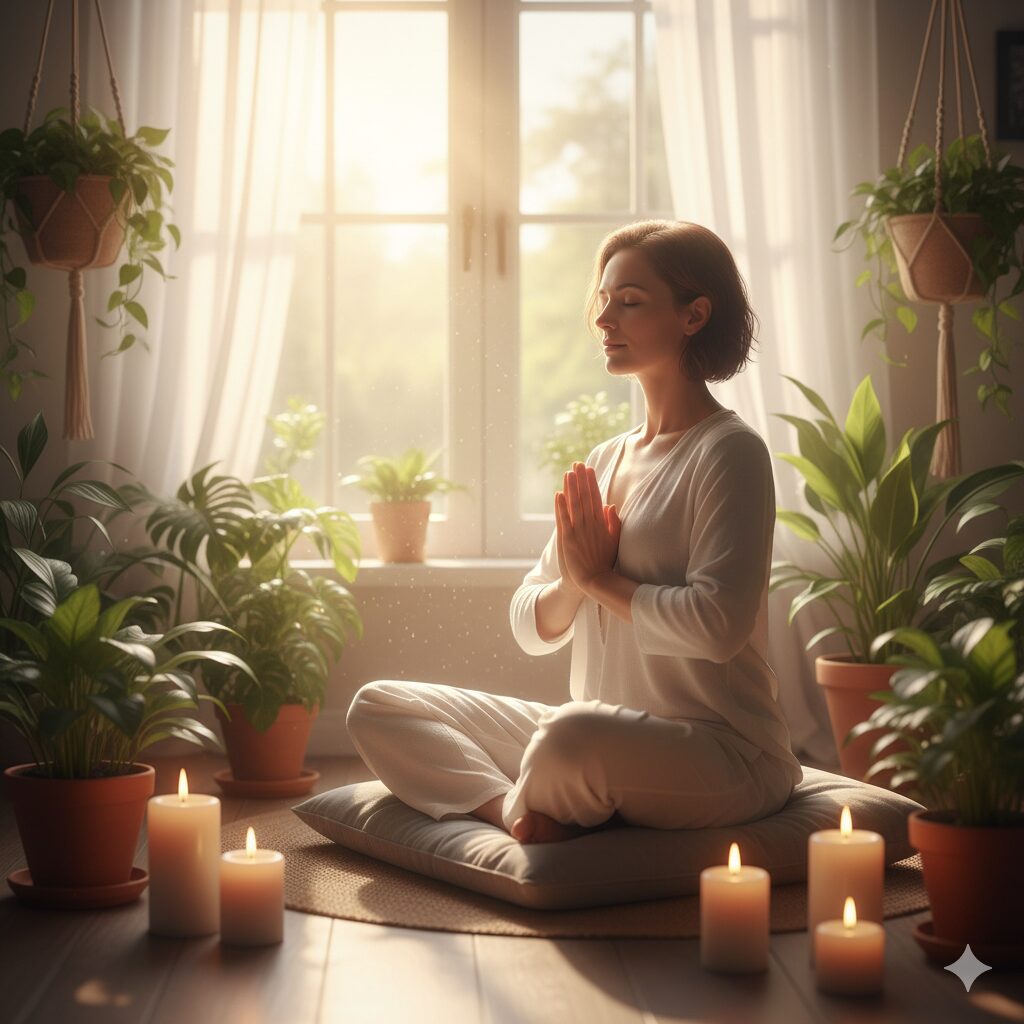
Meditation can be a powerful tool for cultivating appreciation and gratitude. By practicing mindfulness meditation, individuals can learn to focus on the present moment and acknowledge the positive aspects of their lives. Mindful breathing exercises, loving-kindness meditations, and gratitude visualizations can help individuals develop a deeper sense of gratitude and foster a greater sense of connection to the world around them.
Practicing Gratitude in Times of Hardship
During challenging times, practicing gratitude can be particularly beneficial for maintaining mental well-being. By focusing on the positive aspects of life, individuals can find moments of joy and comfort even in the midst of hardship. Engaging in gratitude rituals during tough times can help individuals build resilience, foster a sense of hope, and navigate obstacles with a more positive outlook.
How Gratitude Rituals Improve Mental Health
Gratitude rituals have been shown to improve mental health by promoting feelings of positivity, reducing symptoms of depression and anxiety, and enhancing overall well-being. By focusing on the good things in life, individuals can reframe their perspective and cultivate a sense of optimism. Gratitude practices can also help individuals develop resilience in the face of adversity and cope more effectively with stressors.

Impact of Gratitude on Relationships
Cultivating a mindset of appreciation through gratitude rituals can have a profound impact on relationships. By expressing thanks and appreciation to loved ones, individuals can strengthen bonds, build trust, and create a more positive and supportive environment. Gratitude practices can foster empathy, compassion, and understanding, leading to healthier and more fulfilling relationships with others.
Cultivating a Mindset of Appreciation
Developing a mindset of appreciation involves actively seeking out moments of gratitude and expressing thanks for them. By incorporating gratitude rituals into daily life, individuals can cultivate a sense of mindfulness, positivity, and abundance. By focusing on the good things in life and expressing appreciation for them, individuals can shift their perspective towards gratitude and foster a deeper sense of contentment and well-being.

Frequently Asked Questions
What is the easiest gratitude ritual to start with?
A short daily journal entry or a gratitude jar works best for beginners.
Can gratitude help with anxiety or stress?
Yes. Studies show daily gratitude lowers cortisol and increases serotonin.
How long does it take for gratitude to feel natural?
Most people notice a mindset shift after about 3–4 weeks of consistent practice.
Conclusion
Incorporating rituals of gratitude into daily life can have a transformative impact on mental well-being, relationships, and overall happiness. By cultivating appreciation through structured practices, individuals can shift their mindset towards positivity, resilience, and abundance. Whether through journaling, meditation, or expressions of thanks to others, making gratitude a consistent practice can lead to profound benefits for individuals and their communities. Embracing a mindset of appreciation can help individuals navigate life’s challenges with grace, find moments of joy in the ordinary, and cultivate a deeper sense of gratitude for the richness of life.
Written by Ray Allen, spiritual wellness writer at The Enlightenment Journey. With over a decade of exploring meditation, gratitude, and esoteric practices, Ray Allen shares practical rituals that blend ancient wisdom with modern science.
