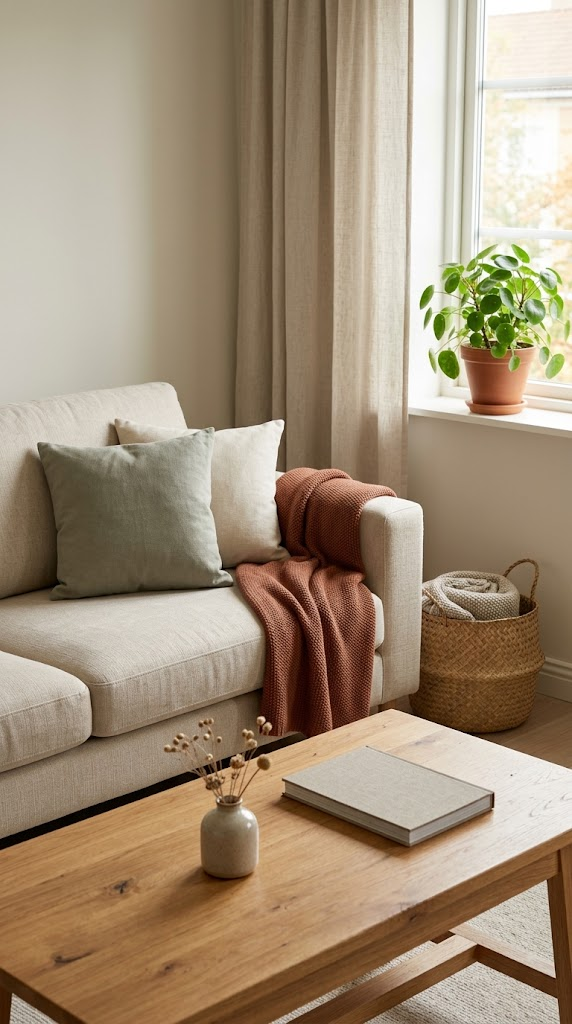
Simple Tips for Keeping Houseplants Thriving
Before diving in, please note: This post is for informational purposes only. If you’d like to know more about how we approach topics, feel free to check out our friendly Disclaimer Page.
Hey there, amazing readers! 🖐️ Just a quick note: yes, we know there are a lot of ads here. Trust us, we get it—it’s not the prettiest look, but they help us keep this blog alive and kicking. Those pesky little ads cover the costs of all the behind-the-scenes magic, from hosting and tech stuff to creating content we hope you’ll love.
We’re committed to delivering quality posts, and your support (even just sticking around despite the ads) means everything to us. So, bear with us, and thanks for helping us keep the good vibes rolling. Now, on to the fun stuff! 😉
TRANSLATE BUTTON AT THE END OF THE ARTICLE
Houseplants not only add beauty and greenery to your home, but they also improve air quality and create a calming atmosphere. However, keeping them alive and thriving can be a bit of a challenge, especially if you don’t have a naturally green thumb. I’ve had my fair share of houseplant struggles, but over time, I’ve learned a few tricks to keep my plants healthy and growing. Whether you’re new to plant care or looking to improve your skills, here are some simple tips to help your houseplants flourish.
Why Houseplants Matter
Houseplants do more than just make your space look good:
Air purification: Plants like spider plants, snake plants, and peace lilies are great at filtering harmful toxins from the air.
Boosts mood: Caring for plants can reduce stress and improve your mental health.
Connection to nature: Bringing greenery into your home helps you feel more connected to the natural world, even if you live in a city.
When I started adding plants to my space, I noticed that not only did they brighten the room, but they also made me feel more relaxed and at peace.
Choosing the Right Houseplants
The key to successful houseplant care is picking the right plants for your environment and lifestyle. If you’re a beginner or have a busy schedule, start with low-maintenance plants that don’t need a lot of attention.
Snake plants: These hardy plants can survive in low light and don’t need frequent watering.
Spider plants: Easy to grow and very forgiving, spider plants thrive in indirect light.
ZZ plants: Another low-maintenance plant, ZZ plants can tolerate low light and irregular watering.
Pothos: A fast-growing vine that’s perfect for hanging baskets or trailing along shelves.
Aloe vera: Not only is aloe a great plant to have on hand for burns, but it’s also super easy to care for.
I started with a snake plant because it’s practically indestructible. Over time, as I gained confidence, I added more plants to my collection.
Understanding Light Needs
One of the most common mistakes new plant parents make is not providing the right amount of light. Different plants have different light requirements, so it’s important to understand what your plant needs.
Bright, indirect light: Many houseplants, like pothos and spider plants, do best with bright but indirect sunlight.
A spot near a sunny window, but not directly in the sun, is ideal.
Low light: Snake plants and ZZ plants can tolerate lower light conditions, making them great for darker rooms or offices.
Direct sunlight: Some plants, like succulents and cacti, thrive in direct sunlight.
Place them on a sunny windowsill where they can soak up the rays.
When I first got into houseplants, I assumed all plants needed to be by the window. Turns out, most of mine were getting too much sun, and I had to move them to shadier spots.
Watering: Less is More
Overwatering is the number one killer of houseplants. While it’s tempting to give your plants a drink every time you water your own, most plants prefer to dry out a bit between waterings.
Check the soil: Stick your finger about an inch into the soil.
If it feels dry, it’s time to water.
If it’s still moist, wait a few more days.
Water thoroughly: When you do water, make sure the water drains out of the bottom of the pot.
This helps flush out any built-up salts and ensures the roots are getting enough water.
Don’t let them sit in water: After watering, empty any excess water from the saucer under the pot.
Letting your plants sit in water can lead to root rot.
I used to be an overwaterer, thinking that more water meant happier plants. Once I learned to let the soil dry out between waterings, my plants started looking much healthier.
Proper Potting and Drainage
The right pot and soil are essential for plant health. Without proper drainage, water can pool at the bottom of the pot, causing root rot.
Choose pots with drainage holes: Always opt for pots that have drainage holes at the bottom.
If your pot doesn’t have holes, either drill some or use it as a decorative cover for a smaller pot with drainage.
Use the right soil: Houseplants need well-draining potting mix, not garden soil.
Choose a mix designed for indoor plants or add some perlite to improve drainage.
Repot when necessary: If you notice your plant outgrowing its pot or roots growing out of the drainage holes, it’s time to repot.
Choose a pot that’s one size larger than the current one.
I once made the mistake of planting a succulent in a pot without drainage, and it didn’t end well. Lesson learned—drainage is key!
Humidity and Temperature
Most houseplants are native to tropical climates, so they prefer a bit of humidity and stable temperatures.
Increase humidity: If your home is dry, especially in the winter, you can increase humidity by misting your plants, placing a humidifier nearby, or setting your plants on a tray of water and pebbles.
Stable temperatures: Avoid placing plants near drafts, air conditioning vents, or heaters.
Sudden temperature changes can stress them out.
I noticed my ferns were looking sad during the winter until I started misting them. A little extra humidity can make a big difference, especially for tropical plants.
Feeding Your Houseplants
Houseplants need nutrients to grow, just like outdoor plants. However, they don’t need to be fertilized as often, especially in the winter months when growth slows down.
Use a balanced fertilizer: A general-purpose liquid fertilizer diluted to half strength is perfect for most houseplants.
Fertilize once a month during the growing season (spring and summer) and cut back during fall and winter.
Avoid over-fertilizing: Too much fertilizer can damage your plants.
Follow the instructions on the package and err on the side of caution.
I fertilize my plants about once a month during the warmer months, and they seem to appreciate the extra boost.
Pruning and Cleaning
Pruning helps keep your plants healthy and encourages new growth. Plus, it keeps them looking tidy.
Remove dead or yellow leaves: Regularly trim off any dead or yellowing leaves.
This helps direct the plant’s energy to new growth.
Clean the leaves: Dust can accumulate on the leaves of indoor plants, blocking sunlight.
Wipe the leaves with a damp cloth every few weeks to keep them clean and shiny.
Pruning is a little like giving your plants a haircut—it helps them look their best and stay healthy.
Dealing with Pests
Even indoor plants can get pests like spider mites, aphids, or mealybugs. The good news is, most pests can be dealt with using simple, natural remedies.
Inspect your plants regularly: Check the undersides of leaves and stems for any signs of pests.
Treat with natural solutions: If you notice pests, try spraying your plants with a mixture of water and a few drops of dish soap.
For more serious infestations, neem oil is a great natural pesticide.
I’ve dealt with my fair share of spider mites, and a quick soap spray has always done the trick. It’s all about catching them early.
Rotating Your Plants
To ensure even growth, it’s important to rotate your plants every few weeks. Plants naturally grow toward the light, so if you leave them in the same position for too long, they can become lopsided.
I rotate my plants a quarter turn every time I water them, which helps them grow evenly and prevents them from leaning too much toward the window.
Houseplants and Pets: Keeping Both Safe
If you have pets, it’s important to choose houseplants that are non-toxic to them. Some common houseplants, like philodendrons and pothos, can be harmful to cats and dogs.
Pet-friendly plants: Some safe options include spider plants, Boston ferns, and African violets.
Keep harmful plants out of reach: If you do have toxic plants, make sure to place them in spots where your pets can’t reach them.
I have a curious cat, so I make sure all my toxic plants are on high shelves or in rooms she doesn’t have access to.
The Importance of Patience
Growing houseplants takes time and patience. Don’t be discouraged if things don’t go perfectly at first.
Trial and error: You might lose a few plants along the way, and that’s okay!
It’s all part of the learning process.
Celebrate the small wins: Even seeing a tiny new leaf can feel like a victory.
Enjoy the process and take pride in watching your plants grow.
When I started, I killed a few plants (okay, maybe more than a few). But over time, I learned from my mistakes, and now I have a thriving indoor jungle.
Conclusion: Thriving Houseplants, Thriving You
Keeping houseplants thriving doesn’t have to be complicated. With the right plants, proper care, and a little bit of patience, you can enjoy a home full of healthy, happy greenery. Remember, it’s all about finding what works for you and your space. Whether you’re just starting or already have a collection of houseplants, these tips will help you keep them growing strong. And the best part? You’ll get to enjoy the beauty and benefits of a lush indoor garden all year round.
Happy plant parenting!