Symbols of the Seven Chakras: Meanings and Significance
Before diving in, please note: This post is for informational purposes only. If you’d like to know more about how we approach topics, feel free to check out our friendly Disclaimer Page.
Hey there, amazing readers! 🖐️ Just a quick note: yes, we know there are a lot of ads here. Trust us, we get it—it’s not the prettiest look, but they help us keep this blog alive and kicking. Those pesky little ads cover the costs of all the behind-the-scenes magic, from hosting and tech stuff to creating content we hope you’ll love.
We’re committed to delivering quality posts, and your support (even just sticking around despite the ads) means everything to us. So, bear with us, and thanks for helping us keep the good vibes rolling. Now, on to the fun stuff! 😉
TRANSLATE BUTTON AT THE END OF THE ARTICLE
Introduction
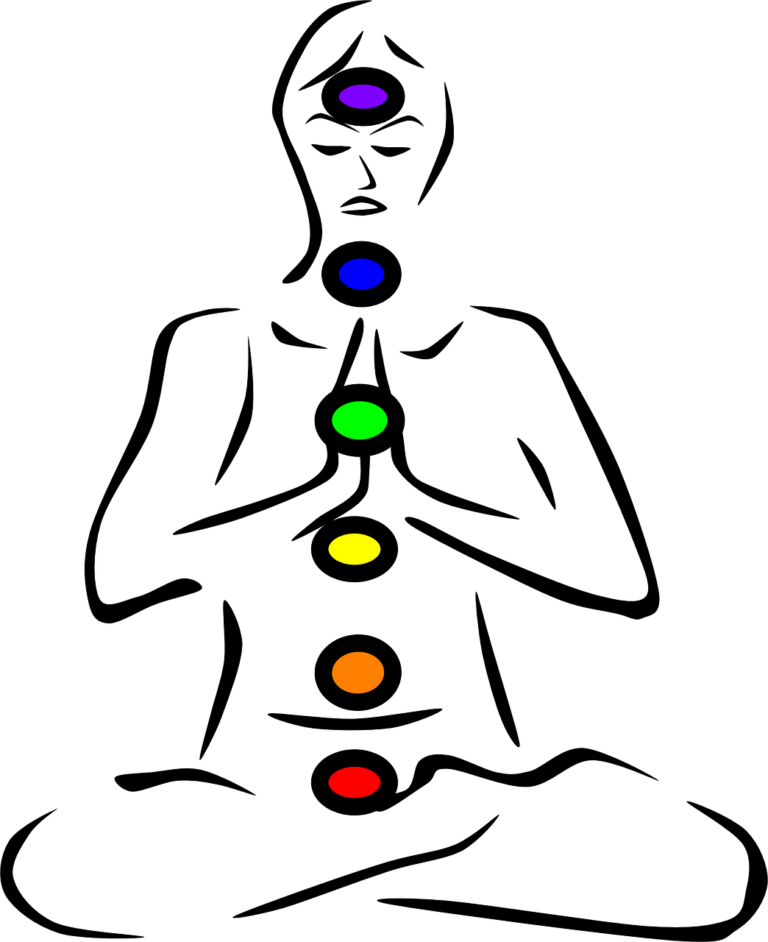
Each of the seven chakras is represented by a unique symbol that carries deep spiritual and energetic meaning. These sacred designs often include lotus petals, geometric shapes, and Sanskrit letters, each symbolizing a chakra’s specific qualities and functions. Understanding these symbols can help deepen your connection to the chakra system and enhance your meditation practice.
1. Root Chakra (Muladhara)
Symbol: Four-petaled lotus with a downward-pointing triangle
Color: Red
Meaning: The triangle symbolizes grounding and stability, while the four petals represent foundational energies like survival, instinct, and security.
Element: Earth
2. Sacral Chakra (Svadhisthana)
Symbol: Six-petaled lotus with a crescent moon
Color: Orange
Meaning: The crescent moon symbolizes the cyclical nature of emotions and creativity, while the six petals represent balance and harmonious relationships.
Element: Water
3. Solar Plexus Chakra (Manipura)
Symbol: Ten-petaled lotus with a downward-pointing triangle
Color: Yellow
Meaning: The triangle symbolizes transformation and personal power, while the ten petals represent energy control and spiritual progress.
Element: Fire
4. Heart Chakra (Anahata)
Symbol: Twelve-petaled lotus with two intersecting triangles (forming a six-pointed star)
Color: Green or pink
Meaning: The intersecting triangles symbolize the union of love and balance, while the twelve petals represent qualities like peace, harmony, and compassion.
Element: Air
5. Throat Chakra (Vishuddha)
Symbol: Sixteen-petaled lotus with a circle containing a downward-pointing triangle
Color: Blue
Meaning: The circle and triangle represent purification and communication, while the sixteen petals symbolize wisdom and expression.
Element: Ether (Space)
6. Third Eye Chakra (Ajna)
Symbol: Two-petaled lotus with an inverted triangle
Color: Indigo
Meaning: The two petals represent the union of dualities (like intuition and logic), while the triangle symbolizes spiritual awareness.
Element: Light
7. Crown Chakra (Sahasrara)
Symbol: Thousand-petaled lotus
Color: Violet or white
Meaning: The thousand petals represent infinite spiritual connection and enlightenment.
Element: Cosmic energy
How to Use Chakra Symbols in Practice
Visualization: Focus on the symbols during meditation to connect with each chakra’s energy.
Decorative Items: Incorporate symbols into home décor or wear jewelry featuring chakra designs.
Journaling: Draw the symbols as part of your chakra journaling practice for mindfulness.
Conclusion
The sacred symbols of the chakras provide a deeper understanding of the body’s energy system. They are not just beautiful designs but also powerful tools for meditation and self-awareness.
To further explore chakra healing and balance, consider the Chakra Healing & Clearing program, which offers guided meditations to target each energy center, helping you clear energetic blockages and achieve spiritual harmony.