
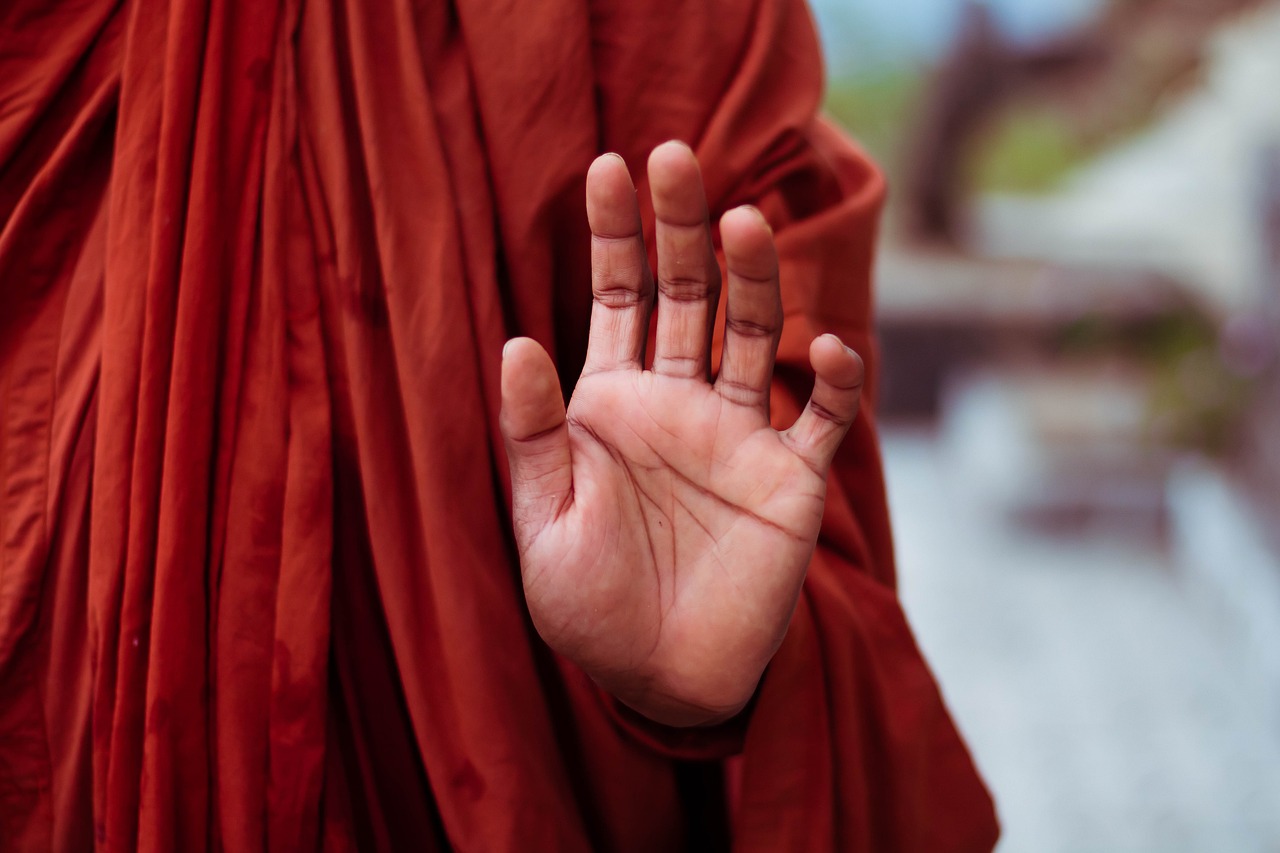
The Healing Power of Mudras: Hand Gestures in Meditation
Before diving in, please note: This post is for informational purposes only. If you’d like to know more about how we approach topics, feel free to check out our friendly Disclaimer Page.
Hey there, amazing readers! 🖐️ Just a quick note: yes, we know there are a lot of ads here. Trust us, we get it—it’s not the prettiest look, but they help us keep this blog alive and kicking. Those pesky little ads cover the costs of all the behind-the-scenes magic, from hosting and tech stuff to creating content we hope you’ll love.
We’re committed to delivering quality posts, and your support (even just sticking around despite the ads) means everything to us. So, bear with us, and thanks for helping us keep the good vibes rolling. Now, on to the fun stuff! 😉
TRANSLATE BUTTON AT THE END OF THE ARTICLE
For centuries, yogis and spiritual practitioners have harnessed the power of hand gestures, known as mudras, to enhance their meditation practice and promote holistic well-being. These simple yet profound hand postures are believed to channel subtle energies within the body, influencing the flow of prana (life force) and directing the mind towards specific states of consciousness.
What are Mudras?
The word “mudra” comes from the Sanskrit language and translates to “seal” or “gesture.” Mudras are symbolic hand postures that are often used in conjunction with meditation, yoga, and other spiritual practices. They are believed to activate specific energy pathways within the body, leading to various physical, mental, and emotional benefits.
Types of Mudras
There are hundreds of different mudras, each with its own unique meaning and effect. Some of the most common mudras include:
Gyan Mudra (Mudra of Knowledge): Formed by touching the tip of the thumb and index finger, this mudra is believed to enhance concentration, memory, and wisdom.
Chin Mudra (Mudra of Consciousness): This mudra is formed by resting the tips of the thumb and index finger together, while the remaining fingers are extended.
It is said to promote inner peace, clarity, and awareness.
Pran Mudra (Mudra of Life Force): Formed by touching the tip of the ring finger and the little finger to the base of the thumb, this mudra is believed to stimulate the flow of prana throughout the body, enhancing vitality and energy.
Apana Mudra (Mudra of Elimination): Formed by touching the tips of the middle and ring finger to the base of the thumb, this mudra is believed to aid in digestion and elimination of toxins.
Anjali Mudra (Mudra of Salutation): Formed by bringing the palms together in a prayer position at the heart center, this mudra expresses gratitude, reverence, and connection to the divine.
Benefits of Mudras
The practice of mudras is associated with a wide range of benefits, including:
Improved concentration and focus: Mudras can help to quiet the mind and promote deeper states of meditation.
Reduced stress and anxiety: Mudras can activate the parasympathetic nervous system, which is responsible for relaxation and stress reduction.
Enhanced emotional well-being: Mudras can help to balance the emotions and promote feelings of peace, joy, and love.
Increased energy and vitality: Mudras can stimulate the flow of prana throughout the body, leading to increased energy and vitality.
Improved physical health: Mudras are believed to have specific healing properties that can address various physical ailments.
How to Practice Mudras
Mudras can be practiced while sitting, standing, or lying down. It is important to find a comfortable position that allows you to maintain a straight spine and relaxed shoulders. To practice a mudra:
Choose a mudra that aligns with your desired outcome.
Position your hands according to the instructions for the chosen mudra.
Close your eyes or focus your gaze on a single point.
Take slow, deep breaths and allow your body and mind to relax.
Focus your attention on the sensations in your hands and the flow of energy throughout your body.
Hold the mudra for a desired period, typically between 5 and 15 minutes.
Release the mudra slowly and gently and take a few moments to reintegrate into your surroundings.
Additional Tips for Practicing Mudras
Be patient: It takes time and practice to master the art of mudras.
Listen to your body: If you experience any pain or discomfort while practicing a mudra, stop and rest.
Be consistent: Regular practice is key to reaping the benefits of mudras.
Combine mudras with other practices: Mudras can be combined with meditation, yoga, pranayama (breathing exercises), and other spiritual practices for enhanced benefits.
Conclusion
The practice of mudras offers a simple yet powerful way to enhance your meditation practice and promote holistic well-being. By incorporating mudras into your daily routine, you can experience greater peace, clarity, and a deeper connection to your inner self.
Additional Resources
The Mudras of Yoga: 72 Hand Gestures for Healing and Spiritual Growth by Cain Carroll and Revital Carroll
The Healing Power of Mudras: The Yoga of the Hands by Rajendar Menen
Mudras of India: Illustrated Guide to 108 Hand Poses for Meditation by Gertrud Hirschi
Yoga International: offers a comprehensive library of mudra tutorials and resources to guide you on your journey of self-discovery and well-being.

