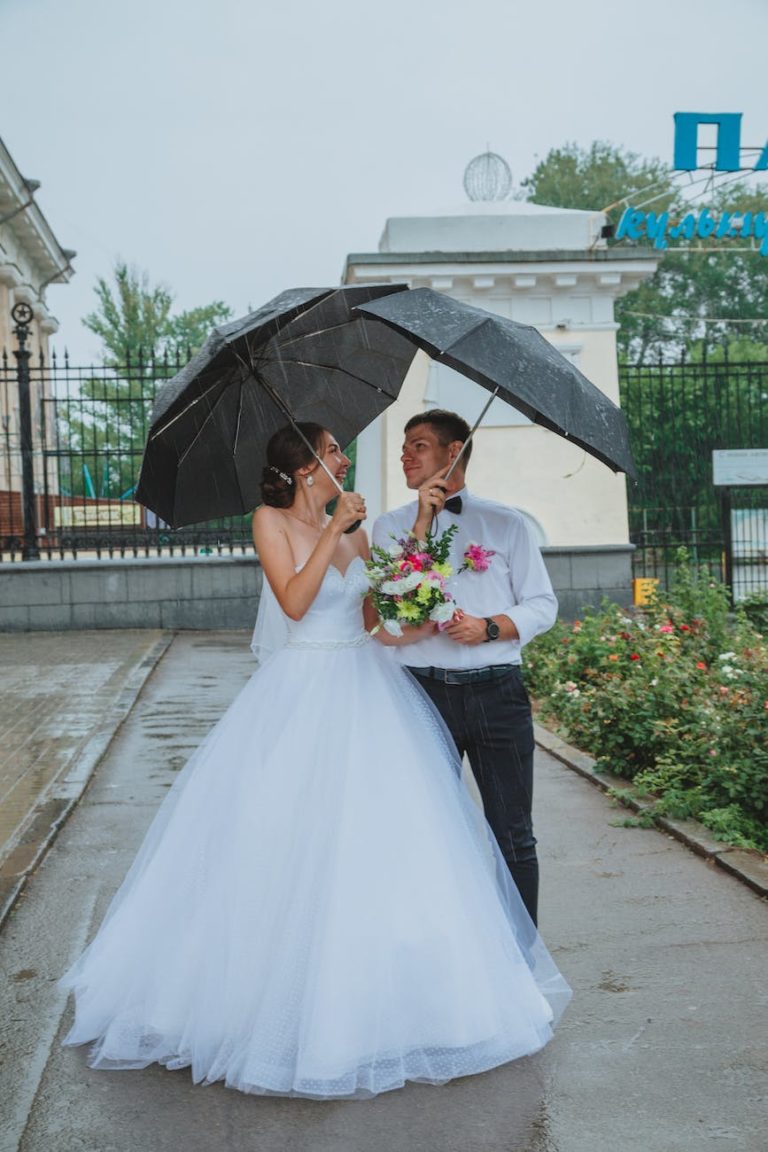
What Is the Significance of Spiritual Rituals and Ceremonies?
Before diving in, please note: This post is for informational purposes only. If you’d like to know more about how we approach topics, feel free to check out our friendly Disclaimer Page.
Hey there, amazing readers! 🖐️ Just a quick note: yes, we know there are a lot of ads here. Trust us, we get it—it’s not the prettiest look, but they help us keep this blog alive and kicking. Those pesky little ads cover the costs of all the behind-the-scenes magic, from hosting and tech stuff to creating content we hope you’ll love.
We’re committed to delivering quality posts, and your support (even just sticking around despite the ads) means everything to us. So, bear with us, and thanks for helping us keep the good vibes rolling. Now, on to the fun stuff! 😉
TRANSLATE BUTTON AT THE END OF THE ARTICLE
Introduction: Understanding Spiritual Rituals and Ceremonies
Spiritual rituals and ceremonies have been an integral part of human culture and society for centuries, serving as a way to connect individuals with higher powers, honor traditions, and foster a sense of community.
These sacred practices hold deep significance and meaning for those who participate in them, providing a sense of purpose, peace, and spiritual fulfillment.
Understanding the importance of these rituals can offer insights into the human experience and the ways in which we seek to find meaning and connection in our lives.
Connecting with Higher Powers through Rituals
One of the primary purposes of spiritual rituals and ceremonies is to establish a connection with higher powers, whether that be a deity, the universe, or nature itself.
These practices create a sacred space where individuals can communicate with the divine, seek guidance, and express gratitude.
By engaging in rituals such as prayer, meditation, or offerings, people can deepen their spiritual awareness and cultivate a sense of connection to something greater than themselves.
Preserving Cultural Identity through Ceremonies
Cultural rituals and ceremonies play a crucial role in preserving traditions and heritage, passing down knowledge and values from one generation to the next.
These ceremonies are often steeped in symbolism and cultural significance, reflecting the beliefs, history, and customs of a particular community.
By participating in these rituals, individuals can connect with their roots, honor their ancestors, and maintain a sense of cultural identity in an ever-changing world.
Finding Peace and Tranquility in Spiritual Practices
Engaging in spiritual rituals and ceremonies can offer a sense of peace, tranquility, and inner harmony amidst the chaos of daily life.
Whether through meditation, chanting, or sacred ceremonies, these practices provide a space for individuals to quiet the mind, center themselves, and find solace in the present moment.
By incorporating these rituals into their lives, people can cultivate a sense of inner peace and emotional well-being.
Healing and Rejuvenation in Rituals
Spiritual rituals and ceremonies have the power to heal, rejuvenate, and restore balance to the mind, body, and spirit.
Many traditions incorporate practices such as energy healing, sound therapy, or purification rituals to cleanse and revitalize the individual.
By engaging in these rituals, people can release negative energy, promote healing, and experience a sense of renewal and vitality in their lives.
Strengthening Community Bonds through Ceremonial Gatherings
Ceremonial gatherings bring communities together, fostering a sense of unity, belonging, and mutual support among its members.
Whether through religious ceremonies, cultural celebrations, or communal rituals, these gatherings create a space for people to connect, collaborate, and celebrate shared values and beliefs.
By coming together in ceremony, communities can strengthen bonds, build relationships, and create a sense of solidarity.
Honoring Ancestors and Traditions through Rituals
Rituals serve as a way to honor ancestors, preserve traditions, and pay homage to those who came before us.
By participating in rituals that have been passed down through generations, individuals can connect with their lineage, acknowledge the sacrifices of their ancestors, and carry forward their legacy.
These practices instill a sense of respect, gratitude, and reverence for the traditions that have shaped our lives.
Symbolism and Meaning in Spiritual Ceremonies
Symbolism plays a significant role in spiritual ceremonies, imbuing each ritual with layers of meaning and significance.
Whether through sacred objects, gestures, or words, symbols are used to convey deeper truths, emotions, and intentions.
By understanding the symbolism behind these rituals, individuals can gain insight into their own spiritual journey, connect with universal truths, and unlock the hidden meanings within the ceremony.
Transformative Power of Rituals in Personal Growth
Spiritual rituals have the power to facilitate personal growth, transformation, and self-discovery.
By engaging in rituals that challenge, inspire, or transform them, individuals can break through limiting beliefs, overcome obstacles, and evolve into their highest selves.
These practices provide a framework for introspection, growth, and self-improvement, allowing individuals to navigate life’s challenges with grace and resilience.
Enhancing Spiritual Awareness through Ceremonies
Participating in spiritual ceremonies can enhance one’s spiritual awareness, intuition, and connection to the divine.
These practices offer a direct experience of the sacred, opening the individual to new insights, wisdom, and spiritual guidance.
By engaging in ceremonies that resonate with their soul, people can deepen their spiritual practice, expand their consciousness, and cultivate a deeper sense of purpose and meaning in their lives.
Rituals as Tools for Manifestation and Intention Setting
Spiritual rituals can be powerful tools for manifestation, intention setting, and creating the life one desires.
By engaging in rituals that align with their goals, desires, and intentions, individuals can harness the power of ritual to manifest their dreams into reality.
Whether through visualization, prayer, or ritualistic practices, people can focus their energy, intention, and will towards creating positive change in their lives.
Conclusion: Embracing the Significance of Spiritual Rituals
In conclusion, spiritual rituals and ceremonies hold immense significance in human culture, providing individuals with a way to connect with higher powers, preserve traditions, find peace, heal, strengthen community bonds, honor ancestors, and enhance spiritual awareness.
These sacred practices offer a pathway to personal growth, transformation, and self-discovery, allowing individuals to navigate life’s challenges with grace, resilience, and a sense of purpose.
By embracing the significance of spiritual rituals, we can deepen our connection to the divine, cultivate inner peace, and live a more meaningful and fulfilling life.