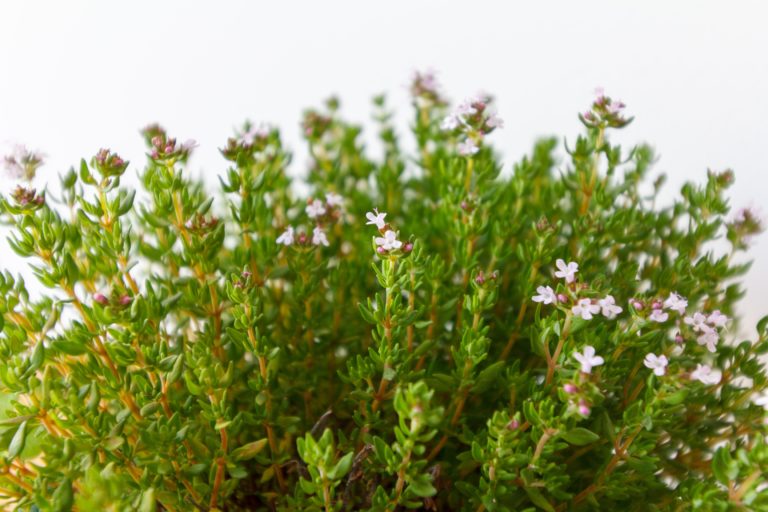
Why Are My Herbs Dying at Home (And How to Fix It Fast)
Before diving in, please note: This post is for informational purposes only. If you’d like to know more about how we approach topics, feel free to check out our friendly Disclaimer Page.
Hey there, amazing readers! 🖐️ Just a quick note: yes, we know there are a lot of ads here. Trust us, we get it—it’s not the prettiest look, but they help us keep this blog alive and kicking. Those pesky little ads cover the costs of all the behind-the-scenes magic, from hosting and tech stuff to creating content we hope you’ll love.
We’re committed to delivering quality posts, and your support (even just sticking around despite the ads) means everything to us. So, bear with us, and thanks for helping us keep the good vibes rolling. Now, on to the fun stuff! 😉
TRANSLATE BUTTON AT THE END OF THE ARTICLE
Few things feel more frustrating than bringing home fresh herbs, setting them up nicely in the kitchen, and watching them slowly give up on life like they’re filing a resignation letter.
The good news? Herbs don’t usually die randomly. They almost always send warning signs first. Once you learn what to look for, you can usually turn things around quickly.
Let’s break down what’s really going on and how to fix it in a simple, practical way.
Key Takeaways
Most indoor herbs die from watering or light issues, not “bad luck”
Overwatering is more dangerous than underwatering
Low light leads to weak, stretched, fading plants
Poor drainage quietly kills roots over time
Herbs usually show visible warning signs before dying
Most plants can be saved with quick adjustments
The Real Reason Your Herbs Are Struggling
Herbs aren’t fragile, but they are very sensitive to environment mistakes.
In most homes, the issue comes down to one (or a mix) of these:
Too much water
Not enough light
Wrong pot or soil setup
Sudden changes in placement or temperature
It’s rarely about effort. It’s about balance.
Overwatering: The Silent Killer
If there’s one mistake that tops the list, this is it.
What happens:
Soil stays wet for too long
Roots can’t breathe
Leaves turn yellow and soft
Plant slowly collapses
Many people water on a schedule instead of checking the soil. That’s where things go wrong.
Simple fix:
Stick finger into soil (2–3 cm deep)
Only water when it feels dry
Always use pots with drainage holes
Herbs prefer slight dryness over constant moisture.
Not Enough Light: The Slow Fade Problem
Light issues are sneakier. The plant doesn’t collapse quickly, it just weakens over time.
Signs:
Long, thin stems
Pale or dull leaves
Leaning toward windows
Very slow growth
Fix it:
Move herbs closer to a bright window
Aim for 6–8 hours of light daily
Use a simple LED grow light if needed
If your plant looks like it’s stretching for something, it’s literally asking for more light.
Poor Drainage: The Hidden Root Problem
Even if watering is correct, bad pots can still cause failure.
Problem setup:
No holes at the bottom
Water sitting in soil
Heavy, compact soil
What happens:
Roots stay wet
Rot starts quietly
Plant weakens from the bottom up
Fix:
Use pots with drainage holes
Add pebbles or better yet, switch to proper potting mix
Never let water sit in trays for long periods
Drainage is one of those “invisible but critical” factors.
Wrong Pot Size or Soil
Sometimes herbs struggle simply because their home isn’t right.
Issues:
Soil too dense → roots suffocate
Pot too big → soil stays wet too long
Pot too small → roots get cramped
Fix:
Use light potting soil
Choose medium-sized pots with airflow
Avoid garden soil indoors
Think of soil as breathing space, not just support.
Temperature Stress (Yes, Your AC Matters)
Indoor herbs don’t like sudden changes.
Common stress sources:
Direct air conditioning
Heater blasts
Hot spots near stoves
Constant moving between rooms
Signs:
Drooping leaves
Random leaf drop
Slowed growth
Fix:
Keep plants in stable temperature zones
Avoid direct airflow
Pick one consistent location and stick to it
Herbs prefer calm environments, not climate swings.
Lack of Trimming (Yes, This Can Kill Growth)
This surprises a lot of people.
If you don’t prune:
Herbs grow tall and weak
Lower leaves die off
Plant becomes unbalanced
Fix:
Trim regularly from the top
Never remove more than one-third
Harvest often to encourage new growth
Healthy herbs are “used” herbs.
The Quick Rescue Plan (If Your Herbs Are Already Struggling)
If your plant is already looking rough, don’t panic.
Do this:
Check soil moisture immediately
Move it to brighter light
Remove any dead or yellow leaves
Stop watering for a few days if soil is wet
Ensure pot has proper drainage
Most herbs bounce back once conditions stabilize.
A Simple Way to Think About It
Herbs don’t usually fail because of one big mistake.
They fail because of small repeated imbalances:
A little too much water
A little too little light
A pot that doesn’t drain well
Fix those three, and most indoor herb problems disappear fast.
FAQ: Why Are My Herbs Dying at Home
Why do my herbs keep dying indoors?
Most commonly due to overwatering or lack of light.
How do I know if I’m overwatering herbs?
Yellow leaves, soft stems, and constantly wet soil are clear signs.
Can herbs recover after dying back?
Yes, many herbs recover if roots are still healthy and conditions improve.
Why are my herbs turning yellow?
Usually due to overwatering or poor drainage.
Do herbs need direct sunlight?
Not always direct, but they need bright light for several hours daily.
Can air conditioning kill herbs?
Yes, constant cold or hot airflow can stress plants.
How often should I water dying herbs?
Only when soil is dry, and sometimes less while recovering.
What is the fastest way to revive herbs?
Fix light, stop overwatering, and improve drainage.
Why are my herbs growing tall but weak?
They need more light and regular trimming.
Can I save herbs with root rot?
Sometimes, if caught early and moved to dry, fresh soil.