Why Slow Movements Feel Grounding
Before diving in, please note: This post is for informational purposes only. If you’d like to know more about how we approach topics, feel free to check out our friendly Disclaimer Page.
Hey there, amazing readers! 🖐️ Just a quick note: yes, we know there are a lot of ads here. Trust us, we get it—it’s not the prettiest look, but they help us keep this blog alive and kicking. Those pesky little ads cover the costs of all the behind-the-scenes magic, from hosting and tech stuff to creating content we hope you’ll love.
We’re committed to delivering quality posts, and your support (even just sticking around despite the ads) means everything to us. So, bear with us, and thanks for helping us keep the good vibes rolling. Now, on to the fun stuff! 😉
TRANSLATE BUTTON AT THE END OF THE ARTICLE
Introduction
Grounding through slow movements is a practical approach to regulate body and mind.
When movement unfolds at a deliberate pace, the body receives clear proprioceptive signals, breath, and sensory input that foster a felt sense of stability.
This article explains why slow movements feel grounding, how the body and mind respond, and how to use simple practices to cultivate steadiness in daily life.
The aim is to provide clear, evidence-informed guidance that readers can apply with confidence.
Defining slow movement and grounding
Slow movement refers to activities performed at a measured cadence, with deliberate control over each action.
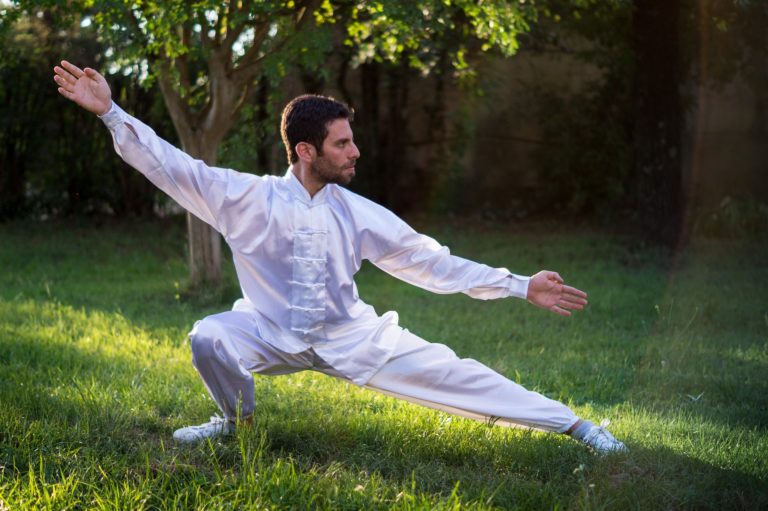
Examples include mindful walking, gentle stretching, basic mobility sequences, and short routines from practices such as tai chi or qi gong.
Grounding, in this context, describes a felt sense of steadiness, safety, and presence that arises when the body’s sensory and autonomic systems are calibrated through movement, breath, and attention.
The experience often includes calm breathing, reduced muscular tension, and a clearer focus in the present moment.
Physiological mechanisms behind grounding from slow movement
Proprioception and somatosensory input
Proprioception provides continuous feedback about joint angles, muscle length, and body position.
Slow, controlled movements enhance this feedback loop, allowing the brain to map the body more accurately.
This refined map supports better balance, posture, and confidence in movement.
Vestibular and postural stability
The vestibular system helps sense motion and head position.
Gentle, paced movements challenge balance in a controlled way, improving coordination and reducing abrupt postural adjustments that can trigger anxiety or discomfort.
Autonomic nervous system and vagal regulation
Slow, intentional movement tends to engage the parasympathetic branch of the autonomic nervous system.
This shift lowers sympathetic arousal and can promote a relaxed state suitable for grounding.
The vagal pathways linked to calm reflexes support a steadier heart rate and steadier breathing patterns during and after practice.
Breath and rhythm
Coordinating breath with movement creates a rhythm that stabilizes the nervous system.
A steady inhale-exhale pattern can reduce excessive cortical activation, supporting a sense of ease and control.
Breath-work paired with movement often yields more pronounced grounding effects than movement alone.
Heart rate variability and physiological cooling
HRV tends to improve when activities are performed calmly and slowly, as the body alternates smoothly between states of activation and rest.
Improved HRV is associated with better autonomic flexibility, contributing to a sense of resilience and composure.
Cognitive and perceptual grounding
Attention and interoception
Slow movement invites focused attention on bodily sensations, posture, and breath.
This interoceptive awareness helps ground perception and reduces the tendency for the mind to race or drift into worry.
Cognitive load and emotional regulation
A slower pace reduces cognitive load and gives the nervous system time to recalibrate.
This can lessen rumination and promote a clearer, calmer mental state, making it easier to respond rather than react in challenging situations.
Practical techniques to cultivate grounding through slow movement
Foundational steps
Create a calm environment: a quiet space, comfortable clothing, and a stable surface support safe practice.
Begin with short sessions: 5 minutes of a single slow movement or a short sequence can establish a baseline before expanding duration.
Prioritize alignment: maintain a neutral spine, relaxed shoulders, and a soft gaze or closed eyes to reduce external distractions.
Breath-movement synchronization
Use a simple breath pattern, such as inhaling for a count of four and exhaling for a count of six.
Maintain a comfortable rate that matches the movement cadence.
Inhale as limbs prepare for movement; exhale as the movement completes or transitions.
This pairing reinforces a calm, rhythmic flow.
Progression and variety
Add gentle mobility sequences gradually: neck circles, shoulder rolls, arm sweeps, hip openers, and ankle rotations.
Include slow walking: walk at a pace where the talk test remains easy and conversations are possible without breath strain.
Integrate balance challenges carefully: practice nearly-stationary poses with small shifts in weight, then progress to longer holds as confidence grows.
Safety considerations and personalization
Start with low-demand movements if there is recent injury or pain.
Consult a clinician if pain persists or if there are cardiovascular concerns.
Monitor for dizziness or lightheadedness.
If these occur, pause and resume at a gentler pace.
Avoid forcing a stretch beyond comfort.
Gentle, sustainable ranges of motion build stability without strain.
Slow movement practices to consider and their grounding benefits
Slow walking: Enhances sensory feedback from feet and legs, supports calm breathing, and reduces haste-driven tension.
Gentle mobility sequences: Target joint ranges with controlled, small motions that improve circulation and proprioception.
Tai chi and qi gong: Structured forms emphasize fluid transitions, balance, and breath coordination, promoting steadiness and a calm focus.
Mindful stretching: Slow, deliberate stretches cultivate body awareness and can ease muscular tension that contributes to restlessness.
Posture-focused routines: Practice upright alignment with relaxed diaphragmatic breathing to reinforce a grounded stance in daily tasks.
Floor-based grounding patterns: Simple floor work, such as slow leg slides or supported spinal movements, can heighten body awareness and reduce jarring impulses.
Comparisons with faster or more vigorous movements
Physiological impact: Fast movements often activate the sympathetic branch of the nervous system, fostering alertness but sometimes increasing tension.
Slow movements primarily engage parasympathetic regulation, supporting calm states.
Cognitive effects: High-pace activities can elevate arousal and distract from present-moment awareness.
Slower, deliberate actions encourage attention to sensation and breath, enhancing situational clarity.
Suitability: Fast routines may suit immediate energy needs or athletic goals, while slow practices are especially helpful for emotional regulation, stress relief, and daily grounding.
Guidance for diverse populations
All ages and fitness levels can benefit from slow movement when the practice is scaled to capability.
Begin with shorter bouts, and gradually extend as comfort grows.
For chronic pain or stiffness, choose movements within pain-free ranges and focus on gentle, non-painful orientation rather than forcing full ranges.
Those with balance concerns should prioritize supported movements and use a chair or wall for stability until confidence builds.
Practical integration into daily life
Daily micro-sessions: Incorporate two to three 3- to 5-minute slow movement blocks during the day, such as after waking, during a lunch break, and before bed.
Transition zones: Use movement to bridge tasks, for example, a slow stretch after sitting for an extended period or a short mindful walk between meetings.
Routine design: Create a simple sequence of 4–6 mild movements and combine it with a brief breath cycle.
Consistency adds up over days and weeks, improving overall grounding.
Common questions about grounding through slow movement
What is grounding in this context?
Grounding refers to the felt sense of stability, safety, and presence produced when slow, controlled movements accompany mindful breathing and attention to bodily sensation.
How long does it take to notice benefits?
Initial improvements in calmness and balance can appear within a few sessions, with more enduring changes as the practice becomes routine.
Can slow movement help with anxiety or stress?
Yes.
By reducing sympathetic arousal and increasing interoceptive awareness, slow movement supports emotional regulation and clearer thinking.
Is this approach suitable for chronic pain or older adults?
In most cases, yes, with customization to individual abilities.
Prioritizing safety and gradual progression is essential.
How can busy people incorporate grounding into a tight schedule?
Short, consistent blocks placed throughout the day can accumulate substantial benefits without requiring a long session.
What should be avoided?
Maintain movements within comfortable ranges, avoid forcing positions, and pause if pain or dizziness occurs.
Key benefits and limitations
Benefits: Enhanced body awareness; improved balance; reduced muscle tension; steadier breathing; better emotional regulation; higher overall calmness.
Limitations: Progress can be gradual, and results depend on consistency and appropriate intensity.
Slow movement is one approach among many; integrating it with other healthy habits expands its impact.
Frequently asked questions (FAQ)
H2: Frequently asked questions about grounding through slow movement
How does slow movement compare with meditation?
Slow movement often complements meditation by adding kinesthetic input and body awareness, while meditation emphasizes mental stillness.
The combination can be particularly effective for grounding.
Can I practice if I have limited mobility?
Yes.
Even small, deliberate shifts and breath-focused movements can provide grounding.
Adapt the sequence to comfort and safety.
Is specialized equipment required?
No.
Most grounding practices rely on body weight, breath, and attention, though a chair, wall, or mat can improve safety and stability.
How can I measure progress?
Track perceived calmness, balance during daily tasks, and ease of completing tasks without tension.
Over time, note improvements in HRV indicators if accessible, or subjective measures of stress relief.
Can children benefit from this approach?
Children can benefit from age-appropriate, simple slow movements and play-based grounding activities that emphasize fun and safety.
Conclusion
Slow movements offer a practical, accessible means to cultivate a grounded sense of self.
By engaging proprioception, the vestibular system, and the autonomic nervous system, these practices support steadiness in body and mind.
The combination of careful movement, mindful breath, and present-mocused attention creates a reliable pathway to resilience in the face of daily stressors.
Implementing a short, consistent routine can yield meaningful improvements in posture, calm, focus, and overall well-being.
This approach provides a unique blend of sensory cues and cognitive focus that readers can employ with confidence, and it is essential to prioritize safety and comfort in every session.
The utmost priority is to foster a stable, calm presence that can carry through routine tasks, relationships, and daily challenges.
FAQ recap and final note
This article outlines how slow movement fosters grounding, distinguishing it from more rapid activity without dismissing its complementary role in physical fitness and mental health.
Readers are encouraged to choose a few practical movements, pair them with a steady breath, and adjust duration to personal needs.
Consistency builds practical benefits and supports sustained well-being.
By combining simple movements with mindful attention, grounding becomes a reliable, repeatable resource that can be practiced almost anywhere.
With time, the practitioner develops a stable reference point—a rooted sense of presence that supports daily life and long-term health.