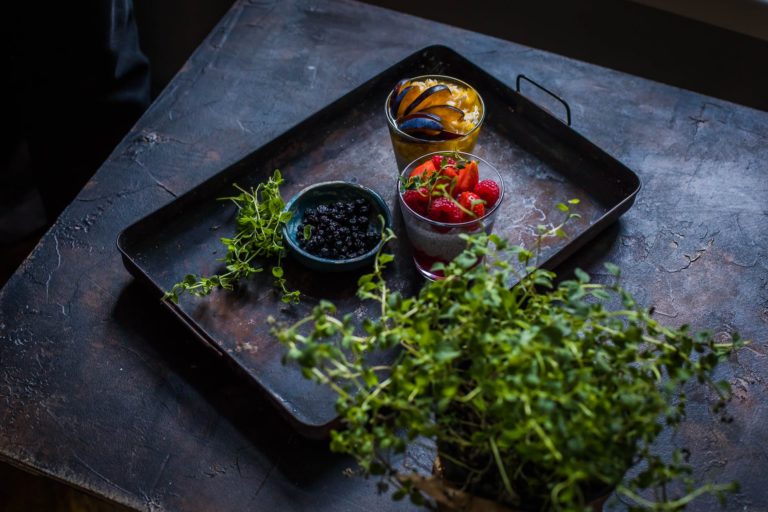
Why Your Balcony Herb Garden Isn’t Thriving
Before diving in, please note: This post is for informational purposes only. If you’d like to know more about how we approach topics, feel free to check out our friendly Disclaimer Page.
Hey there, amazing readers! 🖐️ Just a quick note: yes, we know there are a lot of ads here. Trust us, we get it—it’s not the prettiest look, but they help us keep this blog alive and kicking. Those pesky little ads cover the costs of all the behind-the-scenes magic, from hosting and tech stuff to creating content we hope you’ll love.
We’re committed to delivering quality posts, and your support (even just sticking around despite the ads) means everything to us. So, bear with us, and thanks for helping us keep the good vibes rolling. Now, on to the fun stuff! 😉
TRANSLATE BUTTON AT THE END OF THE ARTICLE
Introduction — A Balcony Full of Potential
Hey friend, if your balcony herb garden isn’t thriving, you’re not alone.
I’ve stood there with a sun-drenched pot splotched with wilted basil and a mint plant that looks more like a decorative sculpture than a herb.
The good news? with a few gentle tweaks, your little balcony can turn into a fragrant, sunlit green corner that feels like a taken-for-granted hug from the outdoors.
Think soft morning light, terracotta pots, and a breeze that carries the scent of rosemary and citrus.
The goal isn’t perfection; it’s ease, joy, and harvests you can actually use in your kitchen.
Trust me, small shifts make a big difference.
Take this as a starting point: you deserve a balcony that looks as good as it smells.
Takeaway: tiny changes compound into real, everyday wins—your balcony can glow with life again.
Light and Sun Exposure — The Sunlit Secret to Happy Herbs
Most balcony woes begin with light.
Herbs crave a steady rhythm of sun, ideally 4–6 hours a day for robust growth.
On city balconies, that sun often comes in slivers or slides around a corner, hits at weird angles, or is blocked by a neighbor’s railing.
If your space is mostly shady, you’ll want to choose sun-tolerant varieties and get creative with placement.
Plant picks for sun-rich spots: basil, oregano, thyme, rosemary, chives, and cilantro when the sun is bright in the afternoon.
For partial sun or bright indirect light: mint, parsley, and sage can do well with a little daily glow.
Quick fixes: mirror or white-wash nearby walls to reflect light, use light-colored pots to brighten the visual energy, and consider a lightweight, movable plant stand so you can chase the sun as it shifts.
Pro tip: rotate pots every week or two so plants don’t lean toward the light, giving you more even growth and fewer leggy stems.
Takeaway: balancing light with easy placement helps herbs stay compact, leafy, and flavorful.
Watering and Drainage — Hydration Habits That Actually Work
Water is the heartbeat of a balcony garden, and too little or too much can both spell trouble.
Containers heat up quickly in the sun, drying out soil in a flash, but waterlogging can drown roots if drainage isn’t solid.
Check soil moisture daily in hot spells.
A quick poke with your finger: if the top inch is dry, it’s time to water.
Water deeply until you see some moisture escaping the drainage holes; let pots drain fully before returning to their saucers or surfaces.
Use pots with drainage holes and saucers that aren’t sitting in a pool of water.
Consider self-watering pots or a shallow reservoir tray to keep soil evenly moist on busy days.
Common issues look like this: brown, crispy leaf edges from underwatering or soggy, pale leaves from overwatering.
Both are solvable with a mild adjustment in how often you water and how quickly the soil dries.
Takeaway: steady, thorough watering plus proper drainage keeps roots happy and your harvests thriving.
Soil, Containers, and Potting Mix — The Right Home for Roots
Soil is not a one-size-fits-all accessory; it’s the engine powering every leaf and stem.
Balcony soils should be light, well-draining, and nutrient-rich enough to support rapid growth in a small footprint.
Start with a high-quality potting mix formulated for containers.
Avoid garden soil, which compacts and clogs drainage.
Choose containers large enough for the herbs you’re growing.
If a plant looks root-bound—roots wrapping the edge of the pot and circling the soil—it’s time to upsize.
Add a light mulch on top to regulate moisture and keep roots cool.
A layer of coarse pine needles or small wood chips works nicely.
Include a slow-release or balanced fertilizer according to package directions, but avoid overfeeding—more isn’t always better for delicate balcony herbs.
Repotting at the right moment can salvage a struggling plant and set it on a path to bushy, flavorful growth.
Think of your pot as a cozy apartment for roots—space to stretch, air to breathe, and a little insulation from the sun’s heat during peak hours.
Takeaway: the right soil and container setup gives your herbs a comfy, well-aired home that supports deep, vibrant growth.
Microclimates and Plant Picks — Read Your Balcony’s Personal Weather
Balconies aren’t the same as a sunny plot in a yard.
They have microclimates: wind tunnels, sun corridors, concrete heat, and reflective glass that bounces heat and light back at your plants.
If you have a windy balcony, use a sturdier potting setup and consider adding a windbreak (a trellis with fast-growing climbers or a lightweight screen).
If you’re dealing with intense heat, group herbs in small clusters with a bit of shade during the hottest part of the day and ensure even moisture.
For cooler evenings or mornings, protect tender herbs with a light row cover or move them to a slightly sheltered spot.
Smart plant picks by microclimate:
Full sun and wind: basil, thyme, oregano, rosemary (watch soil moisture closely; heat can dry roots fast).
Partial sun or bright shade: parsley, mint, chives, cilantro (these tend to stay more compact in less direct light).
Very intense heat with little shade: heat-tolerant varieties like lemon thyme, compact rosemary, and certain types of sage.
Remember, every balcony has a unique microclimate.
The key is to observe: where is the sun strongest, where does the wind howl, and where do the pots stay pleasantly cool?
Takeaway: tailor herbs to your balcony’s climate, not the other way around, and you’ll see more robust foliage and better flavor.
Spacing, Pruning, and Maintenance — Grow More by Cutting Less Despair
Herbs that aren’t pruned tend to get tall, leggy, and less flavorful.
Regular, light maintenance encourages compact growth and a steady harvest.
Basil loves to be pinched: remove the top two pairs of leaves regularly to encourage branching and bushiness.
Mint, while resilient, can take over.
Plant it in a dedicated pot to keep its roots contained and prevent it from creeping into neighbors.
Parsley and cilantro benefit from light pruning to promote new growth rather than letting them bolt (flower) and turn bitter.
Deadhead spent flowers on thyme, oregano, and rosemary to keep the herbs focused on leaf and essential oil production.
Pruning cadence ideas:
Weekly quick pinch-and-snip sessions.
A mid-season “shape-up” to keep everything compact and lush.
Takeaway: a little trim goes a long way toward fuller, more flavorful plants and a neater balcony aesthetic.
Feeding and Fertilizing — A Gentle Nutrient Nudge
Herbs don’t need heavy feeding, but a gentle, balanced nudge helps them stay vigorous, especially in containers where nutrients wash away with every watering.
Use a balanced, water-soluble fertilizer at half strength every couple of weeks during peak growing season.
Alternatively, mix a slow-release granule into the potting mix at planting time.
A pinch of compost or a splash of diluted liquid seaweed can give a small boost without overwhelming the plant.
Observe leaf color: if leaves look pale or slow-growing, it’s a sign to give a little boost; if new growth is pale or scorched, ease back.
Remember to flush the soil with water if you’re using older fertilizers to avoid salt buildup that can irritate roots.
Takeaway: gentle feeding sustains growth and flavor without overwhelming delicate balcony roots.
Pests and Disease — Quick Fixes Without Panic
A balcony garden can attract aphids, whiteflies, or spider mites, especially if there’s fresh green growth and a breezy, sheltered corner.
Inspect plants often, especially underside leaves, and wipe away pests with a damp cloth or rinse with a gentle spray.
For heavier infestations, use a mild insecticidal soap or a neem-oil spray, following label directions.
Improve airflow around plants to reduce fungal issues; avoid overcrowding.
Keep leaf litter off the soil surface to minimize disease habitats.
Prevention often beats cure: a quick daily glance to spot trouble early keeps problems small and manageable.
Takeaway: a calm, observant approach plus light treatments keeps pests under control without sacrificing flavor.
Seasonal Transitions and Maintenance — Keeping Harvests Consistent
Seasons change how much sun you get, how hot it gets, and how often you water.
A simple seasonal plan keeps herbs productive year-round.
Spring: refresh pots, upsize root zones for the first major growth push, and start pruning for a tidy, bushy shape.
Summer: prioritize sun exposure, keep soil evenly moist, and mulch to minimize water evaporation.
Fall: reduce feeding, protect pots from cold drafts, and consider bringing tender herbs indoors if your nights dip near freezing.
Winter: give herbs a bright, cool sun spot or keep only the hardier varieties outdoors with protection, or move them inside near a bright window.
Regular, small adjustments beat dramatic shifts that stress plants.
Your balcony adapts with you.
Takeaway: a flexible, season-aware routine keeps herbs happy and harvest-ready.
Stylish Setups and Budget Hacks — Easy, Pin-worthy Ideas
Pinterest loves a space that feels both practical and pretty.
Here are budget-friendly, visually pleasing tweaks.
Vertical planting: a railing planter or hanging pockets to maximize space without crowding.
It’s like a green wall that saves surface area.
Mixed-material planters: terracotta for warmth, ceramic for a pop of color, and lightweight plastic for practicality.
Vary textures to create a cozy, inviting mood.
Compact herb shelves: a small multi-tiered stand with a few pots on each level creates a layered, shop-worthy display.
Color palette cues: coordinate pots with your balcony textiles—soft blues, warm terracotta, or crisp white to reflect sunlight and create a cohesive vibe.
Self-watering ideas: place a shallow tray under the entire row of pots or use a few smart watering spikes to keep moisture steady during busy days.
DIY composting corner: a small, odor-minimizing bin or tumbler can turn kitchen scraps into a nourishing boost for your pots.
Takeaway: pretty, practical setups make daily gardening feel effortless and genuinely enjoyably.
Conclusion — You’ve Got This
If your balcony herbs aren’t thriving today, you’ve learned a toolkit to turn things around.
The path is about observing your space, choosing the right plants, and building routines that fit your life.
You don’t need a big rocky transformation—just a handful of mindful changes: better light awareness, soil and container upgrades, a simple watering rhythm, and a touch of pruning that invites new growth.
Soon you’ll savor fresh herbs in morning eggs, a quick pesto, or a bright herb tea as the sun sinks.
Your balcony can be a bright, fragrant retreat that feels uniquely yours.
Takeaway: start small, stay curious, and celebrate every little leaf that reaches toward the light.
FAQ
Why are my balcony herbs wilting even when I water?
Several factors can cause wilting: root stress from crowding, soil that drains too quickly, or roots sitting in waterlogged soil.Check drainage, ensure pots aren’t too crowded, and consider a fresh potting mix to reset the root system.
Which herbs grow best on a balcony?
Basil, thyme, oregano, rosemary, chives, parsley, mint, and cilantro are popular balcony picks.Your climate and sun exposure will guide the best choices, but these tend to perform well in containers with proper care.
How often should I water balcony herbs?
Water when the top inch of soil feels dry to the touch.In heat, you may water daily or every other day, but deep, thorough watering is better than light, frequent sprays.
Do I need special soil for pots?
Yes.Use a light, breathable potting mix designed for containers.
Avoid heavy garden soil that compacts and drains poorly in pots.
How can I prevent pests on my balcony?
Regular inspection, proper airflow, and gentle treatments (like insecticidal soap) help.Remove affected leaves and avoid overcrowding to reduce pest havens.
What about winter care for balcony herbs?
Move tender herbs indoors or to a brighter, cooler spot if possible.For outdoor winter growth, choose hardy varieties and shield them from frost using protective coverings.
How can I maximize harvest without a ton of space?
Vertical planters, hanging baskets, and tiered shelves maximize space.Prune regularly to encourage bushiness, and group plants with similar water needs to simplify care.
Is fertilizer really necessary for balcony herbs?
A light feeding during peak growth months helps, but avoid over-fertilizing which can lead to lush leaves with less flavor.A gentle, balanced boost works best.
Can I mix different herbs in the same pot?
Yes, as long as their water and light needs align.Group high-water lovers with other herbs that enjoy similar moisture, and keep aggressive roots contained to prevent competition.
Any quick ritual to keep balcony herbs thriving?
A weekly “check-in”: inspect leaves for pests, rotate pots to balance light exposure, prune a bit, and refresh mulch if needed.A little routine is a big win for ongoing health.
If you want, I can tailor a starter plan for your exact balcony—tell me your sun hours, typical breeze, and how you like to cook with herbs, and we’ll map out a simple, pin-worthy setup you can start today.