
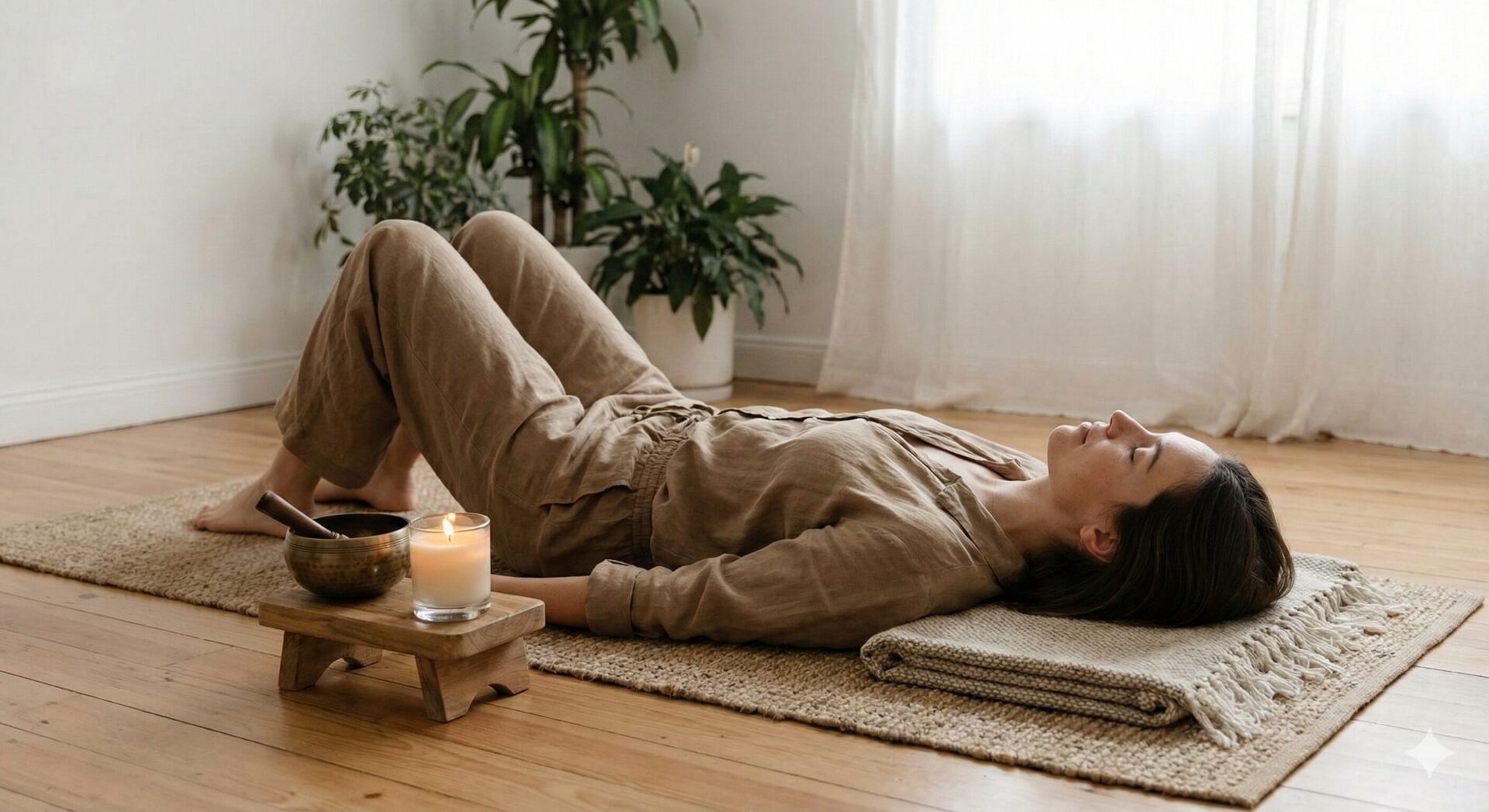
Sound Bath Healing at Home for Beginners
Before diving in, please note: This post is for informational purposes only. If you’d like to know more about how we approach topics, feel free to check out our friendly Disclaimer Page.
Hey there, amazing readers! 🖐️ Just a quick note: yes, we know there are a lot of ads here. Trust us, we get it—it’s not the prettiest look, but they help us keep this blog alive and kicking. Those pesky little ads cover the costs of all the behind-the-scenes magic, from hosting and tech stuff to creating content we hope you’ll love.
We’re committed to delivering quality posts, and your support (even just sticking around despite the ads) means everything to us. So, bear with us, and thanks for helping us keep the good vibes rolling. Now, on to the fun stuff! 😉
TRANSLATE BUTTON AT THE END OF THE ARTICLE
Life gets loud. Not just in the obvious ways—traffic, notifications, endless background noise—but in the mental chatter that never seems to switch off. That is exactly why so many of us are turning toward sound bath healing at home as a gentle way to slow down, reset the nervous system, and reconnect with inner calm.
You do not need a studio, a teacher, or expensive equipment to begin. With a quiet space, the right sounds, and a little intention, you can create a deeply soothing practice right where you are. Let’s walk through everything together in a simple, grounded way.
Key Points at the Beginning
Sound bath healing uses calming vibrations to relax the body and quiet the mind.
Beginners can practice safely at home with basic tools or guided audio.
Benefits include stress reduction, better sleep, emotional balance, and mental clarity.
No musical background is required—just presence and consistency.
Even short sessions of ten to fifteen minutes can be effective.
What Is Sound Bath Healing?
Sound bath healing is a meditative experience where you are immersed in layers of sound and vibration. Instead of “doing” anything, you simply lie down or sit comfortably and receive the sound. These sounds may come from singing bowls, gongs, tuning forks, chimes, or even recorded frequencies.
The idea is simple but powerful: sound works through vibration, and vibration affects the nervous system. As your brain responds to steady, gentle tones, it naturally shifts into slower brainwave states associated with relaxation and deep rest. Many people describe it as feeling “meditated” even if they never intentionally tried to meditate.
Why Sound Healing Works on the Body and Mind
Every part of the body responds to vibration. From your heartbeat to your breath to the rhythms of your brain, your entire system operates in waves. Sound bath healing supports this natural rhythm in several ways:
it encourages the nervous system to move out of fight-or-flight mode
it slows brainwaves into more relaxed patterns
it reduces muscle tension and mental overactivity
it supports emotional release without needing to analyze anything
This is why people often feel surprisingly refreshed or emotionally lighter after a session—even if they were skeptical at first.
Benefits of Practicing Sound Bath Healing at Home
Home practice brings its own special advantages. You control the space, the timing, and the pace. Over time, many beginners notice benefits such as:
improved sleep quality and easier rest at night
lower stress and anxiety levels
a calmer response to daily challenges
enhanced focus and mental clarity
deeper connection with inner awareness
emotional balance without forcing “positive thinking”
The beauty is that these benefits build gently. There is no pressure to perform, achieve, or reach any special state.
Is Sound Bath Healing Safe for Beginners?
For most people, sound bath healing is very safe and gentle. The only real guideline is to listen to your body. If a sound feels too intense, simply lower the volume or take a break.
Those with sound sensitivity, migraines triggered by noise, or certain neurological conditions should begin with very soft tones and short sessions. Sound healing should feel soothing, not overwhelming.
What You Need to Start Sound Bath Healing at Home
You do not need a collection of instruments to begin. Here are beginner-friendly options:
a quiet room where you will not be disturbed
a mat, couch, or bed for comfortable rest
a blanket for warmth during relaxation
a speaker or headphones for recorded sessions
optional tools such as a small singing bowl, chime, or tuning fork
That is truly enough. Simplicity makes this practice easier to sustain.
Live Instruments vs Recorded Sound Baths
Both work beautifully, and beginners often enjoy experimenting with both.
Live instruments at home
you can feel the vibration physically
the experience feels more hands-on
small bowls and chimes are very beginner-friendly
Recorded sound baths
accessible anytime
wide variety of styles and lengths
ideal for guided sessions and sleep support
Many people start with recordings, then slowly add a simple singing bowl later on.
How to Prepare Your Space for a Home Sound Bath
Preparation matters more than perfection. The goal is safety and comfort, not fancy décor.
dim the lights or use soft natural light
silence notifications and alarms
choose a comfortable resting position
adjust the temperature so you do not feel cold
set a clear time boundary so you can fully relax
Even a small bedroom can become a powerful healing space when it is treated with intention.
Step-by-Step Beginner Sound Bath Practice
Here is an easy structure you can use for your first sessions:
lie down or sit comfortably
take three slow breaths
press play on your chosen sound bath or begin gently playing your instrument
allow the sound to wash over you without trying to control your thoughts
if your mind wanders, gently return attention to the sound
rest in stillness for one to two minutes after the sound ends
That is it. No force. No rules beyond presence.
How Long Should a Sound Bath Session Be?
For beginners, shorter is actually better. Here is a simple guide:
five to ten minutes for your first few sessions
fifteen to twenty minutes once you feel comfortable
longer sessions of thirty to forty-five minutes can be explored later
Consistency matters more than duration. A short daily practice often brings more benefit than an occasional long session.
Sound Bath Healing for Stress, Sleep, and Emotional Reset
Different goals benefit from slightly different approaches:
for stress relief, choose low, steady, grounding tones
for sleep support, softer frequencies and slow rhythms work best
for emotional release, layered sounds with gradual crescendos can be helpful
for focus and clarity, lighter bell tones may feel uplifting
Your body will naturally guide you toward what feels best on any given day.
Common Beginner Challenges and How to Handle Them
Almost everyone experiences one or two awkward moments at the beginning:
restlessness or fidgeting at first
falling asleep unexpectedly
emotional reactions without clear reason
judging the experience instead of feeling it
All of this is completely normal. Sound works beneath conscious thinking. There is nothing to “get right.”
Table Summary: Sound Bath Healing at Home
| Area | Beginner Guidance |
|---|---|
| Purpose | Deep relaxation, stress relief, emotional balance |
| Equipment | Quiet space, blanket, speaker or small instrument |
| Session Length | Five to twenty minutes for beginners |
| Frequency | Two to five times per week |
| Best Time | Evening for rest, morning for clarity |
| Safety | Keep volume gentle, stop if discomfort arises |
How Sound Bath Healing Fits Into a Modern Lifestyle
One of the most beautiful things about this practice is how easily it blends with real life. You can:
do a quick session before bed
use it during lunch breaks for mental reset
combine it with journaling or breathwork
practice it during travel with headphones
share short sessions with family for collective calm
Sound healing does not ask you to change your life—it simply supports the one you already live.
Building a Sustainable Home Sound Healing Routine
Habits grow best when they feel nourishing rather than strict. Try this gentle structure:
choose two or three days per week to start
anchor your session to an existing routine like bedtime
keep your setup simple and ready
track how you feel afterward instead of judging the experience
Over time, many people naturally begin practicing more often because the body starts to crave that state of calm.
Sound Bath Healing vs Traditional Meditation
Both are beautiful practices, but they feel different:
traditional meditation often involves focus and mental discipline
sound bath healing is passive and receptive
meditation trains awareness directly
sound bath healing guides awareness through vibration
Many beginners find sound healing easier because it requires less mental effort.
FAQ
What is sound bath healing?
Sound bath healing is a relaxation practice where you listen to calming vibrations from instruments or recordings to support deep rest and emotional balance.
Can beginners do sound bath healing at home?
Yes. Beginners can safely practice at home using recordings or simple tools like a small singing bowl.
How often should I practice sound bath healing?
Two to five sessions per week is a gentle and effective rhythm for most beginners.
Can sound bath healing help with sleep?
Many people find it extremely helpful for calming the mind before bed and improving sleep quality.
Do I need any musical skills?
Not at all. You are simply receiving sound, not performing it.
